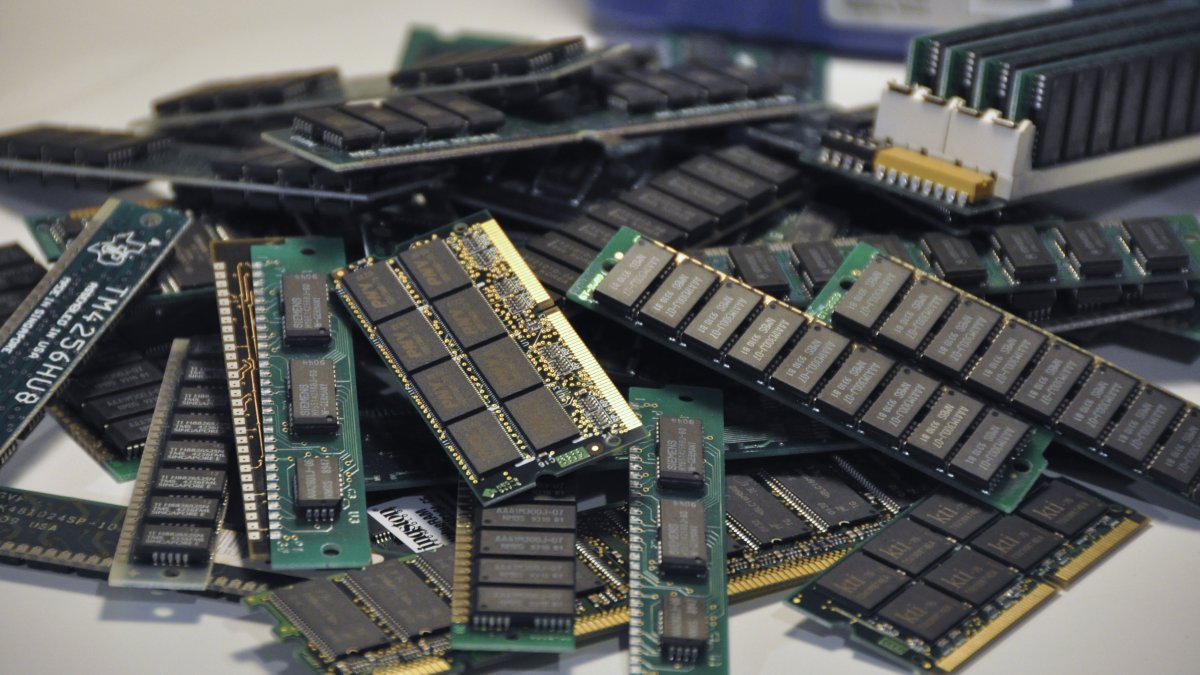
The memory squeeze that has been pushing up device prices all year is not letting up. Research firm TrendForce forecasts that in the fourth quarter of 2026, conventional DRAM contract prices will rise another 10-15% quarter over quarter, with the overall DRAM figure including HBM climbing 15-20%. NAND flash contract prices are expected to rise 15-20% in the same period.
Contract prices are the negotiated rates between chip suppliers and large customers, not retail tags - so shoppers will not see memory modules jump 20% overnight. But the increases eventually flow through to end products, and they land on top of a year in which memory costs have already forced hardware vendors to reprice or re-spec their machines; NVIDIA's decision to hold the DGX Spark desktop AI computer at $4,999 by cutting its memory to a lower-cost configuration was one visible example.
TrendForce attributes the pressure mainly to cloud providers expanding their AI infrastructure purchases. Memory makers are prioritizing HBM, server DRAM and enterprise storage - the categories where AI demand is strongest and margins are fatter - leaving conventional PC memory to compete for whatever capacity is left. In the DRAM market, the firm expects suppliers to keep steering advanced process nodes toward high-performance server products, keeping the market in a state of overall undersupply even as the pace of price increases slows.
The NAND market is splitting along the same lines. Enterprise SSD demand is strong, with hyperscale customers buying up large-capacity storage for AI datasets, inference systems and cloud services - and enterprise drive prices expected to rise more steeply than the market average. Consumer SSD suppliers, facing softer end demand, are quoting more flexibly, which should dampen increases on retail M.2 drives, while eMMC and UFS demand remains relatively weak and module makers are cautious about buying raw wafers.
For PC buyers and OEMs, the outlook gets worse before it gets better: TrendForce expects the PC sector's share of DRAM capacity to shrink further in 2027, hitting large-capacity DDR5 modules and big SSDs hardest. Laptop and desktop makers are likely to respond by adjusting default configurations, absorbing higher component costs, or passing some of the increase on in finished-system prices.
The firm's numbers are a forecast, not a locked-in outcome - a slowdown in cloud spending, fresh capacity coming online, or inventory adjustments could all change the trajectory. But for now, the direction is set: as long as AI datacenter buildouts keep absorbing the supply of bits, anyone buying memory outside the AI aisle is paying for the privilege.
Comments (0)
Log in to join the discussion
Log InNo comments yet