Attorneys general from eight US states filed separate lawsuits against OpenAI on Wednesday, accusing the company of endangering children through ChatGPT and misleading consumers about the chatbot's safety. The suits were filed independently in state courts by Iowa, Kansas, Nebraska, West Virginia, Arkansas, Arizona, Idaho and Montana as part of a coordinated bipartisan effort. Reuters called it the largest state-level legal action against an AI company to date, and it lands while OpenAI is preparing for an initial public offering.
The legal theory is consumer protection rather than product liability. The complaints allege ChatGPT was deliberately designed to be overly agreeable and to simulate human compassion, encouraging users to develop trust in the chatbot and spend more time with it. They contend the product can reinforce delusional thinking, provide dangerous medical advice and in some cases encourage users to harm themselves or others, and that OpenAI misled consumers about safety while failing to adequately disclose known risks, in violation of state consumer-protection laws. Some complaints also frame the conduct as a public nuisance and unjust enrichment.
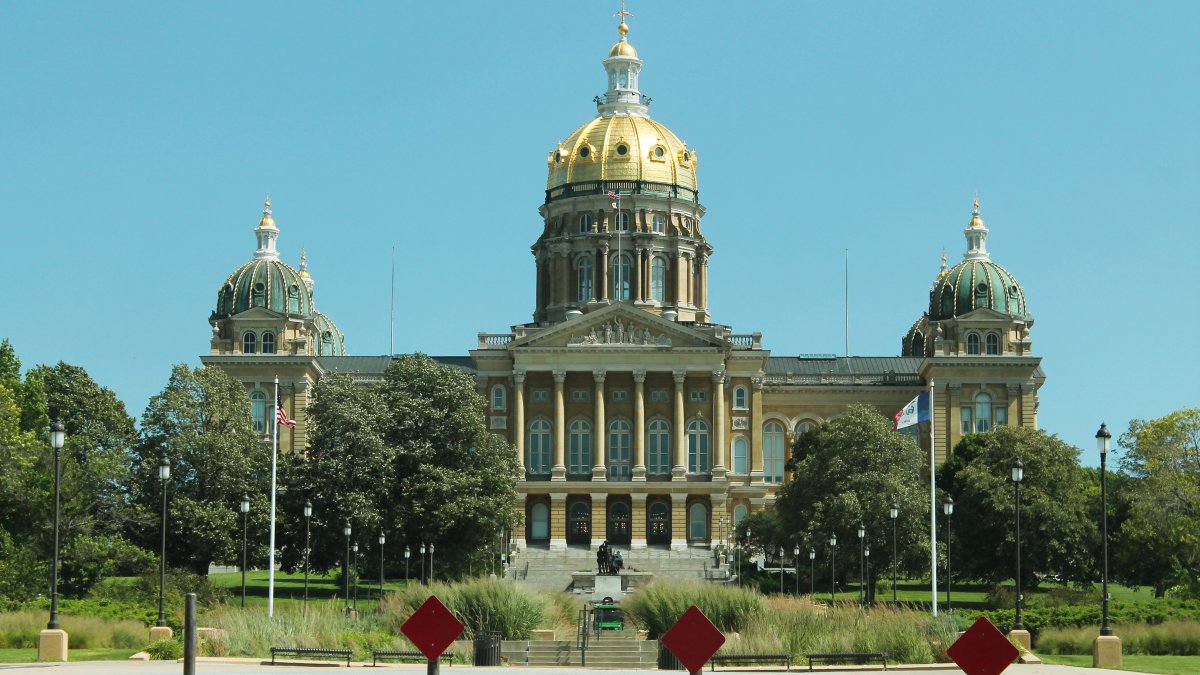
The state-specific filings carry their own details. Iowa Attorney General Brenna Bird announced her state's suit at a press conference in Des Moines alongside colleagues, saying OpenAI presented ChatGPT as safe while it dispensed dangerous medical advice and posed as a friend. West Virginia's JB McCuskey filed in Mason County Circuit Court against eight OpenAI entities, citing third-party tracking data that links ChatGPT to at least 24 deaths worldwide, and asking the court to require age verification, parental controls enabled by default and a crisis-escalation mechanism. Nebraska's Mike Hilgers said the product is absolutely not appropriate for children under 13. Arkansas' Tim Griffin went furthest on model policy, asking the court to bar advanced AI testing and the development of recursively self-improving models until adequate safeguards are in place.
The relief sought is broad. The states want court orders requiring OpenAI to change how ChatGPT operates, particularly for minors, along with civil penalties, damages, and in several cases disgorgement of profits earned from young users.
The legal pile-on has been building for months. Florida's attorney general filed the first comparable suit in June, and in late September asked a judge to bar OpenAI from developing new models without independent oversight. OpenAI also faces dozens of other lawsuits nationally, and California courts already hold seven suits alleging wrongful death and negligence connected to chatbot use.
OpenAI spokesperson Drew Pusateri said the company has implemented age-specific safety measures, including parental controls, break reminders and age-appropriate model protections, and will continue working with experts to strengthen safeguards. The company also said it wants to cooperate with states on AI policies that apply to the broader industry rather than a single company.
The structural point for the industry is that these are claims about what a product said about itself. That turns safety copy, age-gating flows and marketing claims into part of the attack surface, and it means an evaluation record is now a legal asset. Eight filings in a single day also changes the negotiating calculus: a company weighing an IPO faces a coordinated bloc of state enforcers rather than scattered suits, which historically is the scenario that ends in structured settlements and court-supervised product changes rather than case-by-case defense.
Comments (0)
Log in to join the discussion
Log InNo comments yet