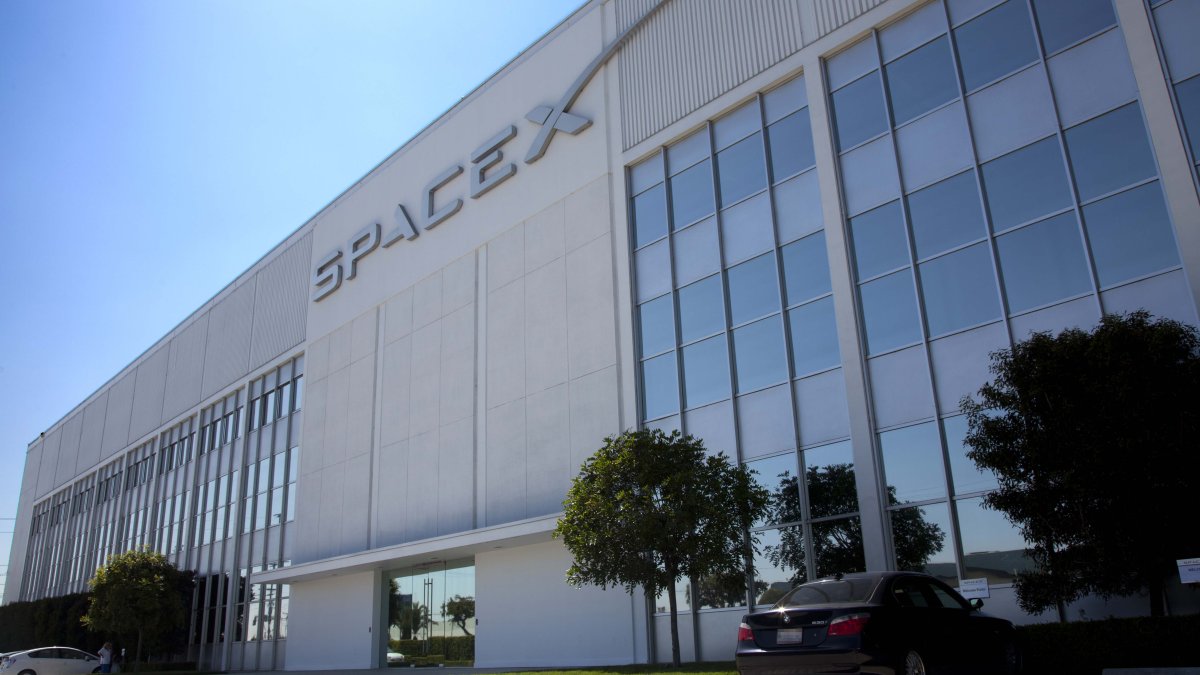
SpaceX has formalized its enterprise AI ecosystem. The company announced the SpaceX Super Intelligence Partner Network on Wednesday, an official program for companies building products, solutions and services on Grok for shared customers — the clearest signal yet that the AI business now inside SpaceX intends to compete on distribution, not just model quality.
The network has two tracks. Transformation Partners help customers deploy the Grok platform across their organizations and are accountable for business outcomes; Marketplace Partners build the plugins and integrations that connect the Grok product suite to tools customers already use. SpaceX says partners get training, tools and support for joint customer work, and that a Forward Deployed Engineer accreditation program has already trained engineers at more than 30 organizations.
More than 130 companies took part in early access before the public launch. The named roster is unusually broad for a program this young: consulting giants Bain & Company and Booz Allen, data platforms Databricks, Snowflake and MongoDB, NVIDIA, Apollo Global Management, and infrastructure and communications vendors including Supabase, Twilio, NTT DATA and Zscaler. A startup called Galatiq describes itself as a Grok-powered forward-deployed engineering firm purpose-built for SpaceXSI, sending engineers who, in co-founder Scott Kamra's words, "move into the business" and ship production systems in weeks, measured against the client's P&L.
The partner quotes converge on the same theme: governance. Snowflake's Vivek Raghunathan argues the real barrier to putting coding agents in production "isn't code generation, it's security, permissions, and operational integrity." Endor Labs CEO Varun Badhwar makes the matching point about securing "the models, MCP servers, skills, and packages agents rely on." When a partner roster this size independently flags control as the blocker, that is market signal, not marketing copy.
Context matters for timing. SpaceX reported this week that its AI unit turned profitable in the latest quarter — a result driven largely by compute deals around its Memphis data center rather than software sales — and president Gwynne Shotwell said on the earnings call that Grok Bot surpassed 800,000 weekly paid users in October, double the prior month, with enterprises using the agent as an "always-on team member" across sales, marketing, IT and engineering. Those are company-reported figures from an earnings call, not audited disclosures.
The strategic read is straightforward. OpenAI and Anthropic spent 2026 building enterprise channel businesses of their own, and SpaceX — long criticized as behind on exactly this — has now copied the platform playbook that entrenched Salesforce and Microsoft: make partners financially invested in your stack, and they become the moat. With SpaceX having acquired Cursor and wired NVIDIA and Apollo into both its compute and its capex, the partner network is the distribution layer that turns Grok from a product line into an ecosystem.
What SpaceX did not disclose is any usage, revenue attribution or retention data tied to the network — the numbers that would show whether 130 logo partners are a business or a press release. The next checkpoint will be the first customer deployments credited through the channel, and whether Transformation Partners can hold the outcomes-based pricing they are pitching.
Comments (0)
Log in to join the discussion
Log InNo comments yet