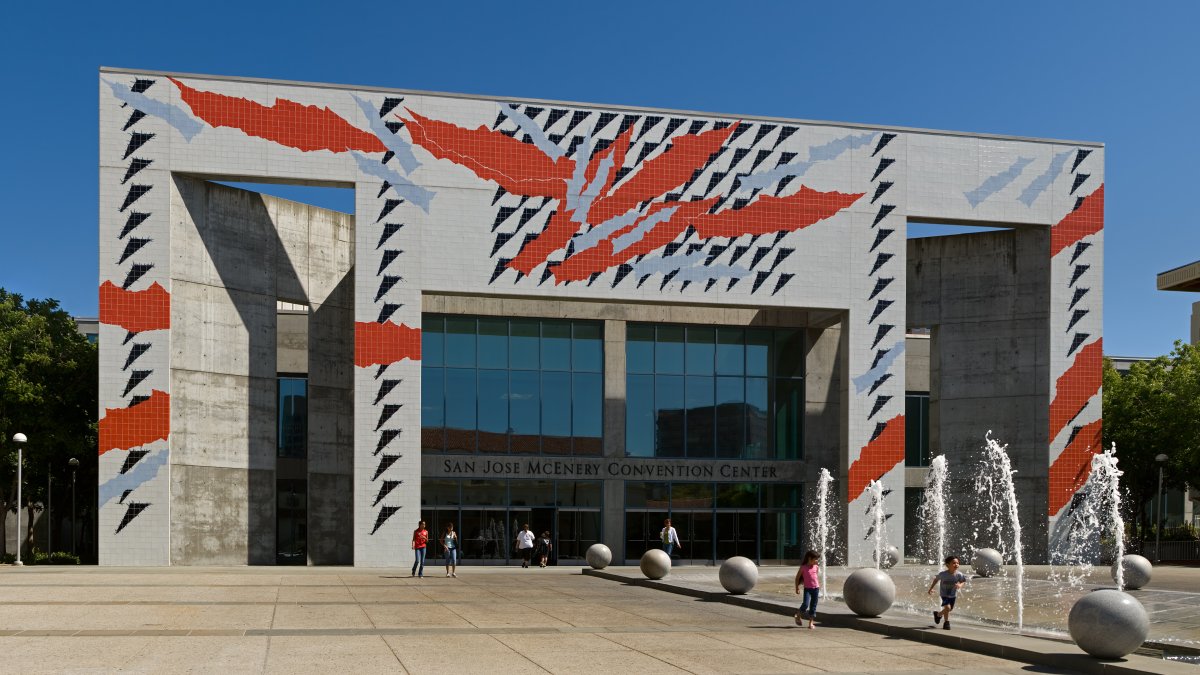
The Agentic AI Foundation announced four new projects on Thursday at AGNTCon + MCPCon North America in San Jose, each donated by a different major AI company: Agent Skills from Anthropic, Open Responses from OpenAI, OpenEnv from Hugging Face and OpenSandbox from Alibaba. The additions take the Linux Foundation-hosted foundation from its three December 2025 launch projects to ten hosted projects in its first year.
The four donations map onto four layers of the agentic stack. Agent Skills is an open format for packaging the instructions, scripts and resources that give agents new capabilities, loadable on demand — the same skills format Anthropic launched a year ago. Open Responses is a specification for multi-provider LLM interfaces built on the OpenAI Responses API, defining a shared schema and consistent streaming events so a request described once can run across model providers. OpenEnv is a community hub for building reinforcement learning environments as containerized services that expose a familiar agent interface, MCP and the Gym training protocol. OpenSandbox, per the foundation, covers the remaining layer: where agents run safely.
They join an existing roster that already reads like an index of the agent ecosystem: the Agent2Agent protocol, Agent Router, agentgateway, AGENTS.md, the goose agent and the Model Context Protocol, all under vendor-neutral governance. "A year ago, AAIF launched with three projects and a bet that agentic AI needed a neutral home to thrive. Today we host 10," said Manik Surtani, the foundation's CTO and co-founder.
The membership numbers grew just as fast. The foundation now counts 305 organizations, up from 60 new members this quarter alone, including seven new gold members: Ant Group, the Gates Foundation, MongoDB, Nutanix, Royal Bank of Canada, Vercel and Vultr. Executive director Mazin Gilbert framed the mix — banks next to philanthropies next to security startups — as evidence that "agents are no longer a developer experiment. They're becoming institutional infrastructure."
Open Responses is the donation with the sharpest edges. Its contributor guide acknowledges the core schema files are copied from the OpenAI API, and The New Stack reports support or implementation from AWS Bedrock, Databricks, LM Studio, Ollama, Hugging Face, NVIDIA, OpenRouter, Red Hat, Vercel and vLLM, with Vercel AI Gateway and Databricks Model Serving already shipping it. The notable absences are the two rivals with their own interface gravity: Anthropic's Messages API — now the de facto template for DeepSeek, Moonshot, Z.ai and MiniMax endpoints — and Google's Interactions API.
The individuals behind the donations framed them as continuity rather than capitulation. David Soria Parra, co-creator and lead maintainer of MCP at Anthropic, noted his company already donated MCP to the foundation less than a year ago and called skills portability the next step; OpenAI's Steve Coffey said the goal is fewer provider-specific integrations for developers to maintain.
The subtext is a fight over which API shape the industry standardizes on, resolved by handing both to a neutral landlord. Donating a format to a foundation costs little and buys legitimacy; it does not require the donor to adopt anyone else's spec. Anthropic contributed the skills layer while keeping Messages, and Google stayed away from the interface layer entirely while remaining adjacent through the foundation's membership.
Whether the umbrella matters will show up in adoption, not announcements. The test case is Open Responses: if Anthropic and Google endpoints eventually speak it, developers get genuine provider portability and the foundation earns its keep. If the spec remains an OpenAI-shaped standard with a stamp from San Jose, then 305 members and 10 projects describe a well-attended committee, not an inter-operable stack. The next quarter of commits will say which.
Comments (0)
Log in to join the discussion
Log InNo comments yet