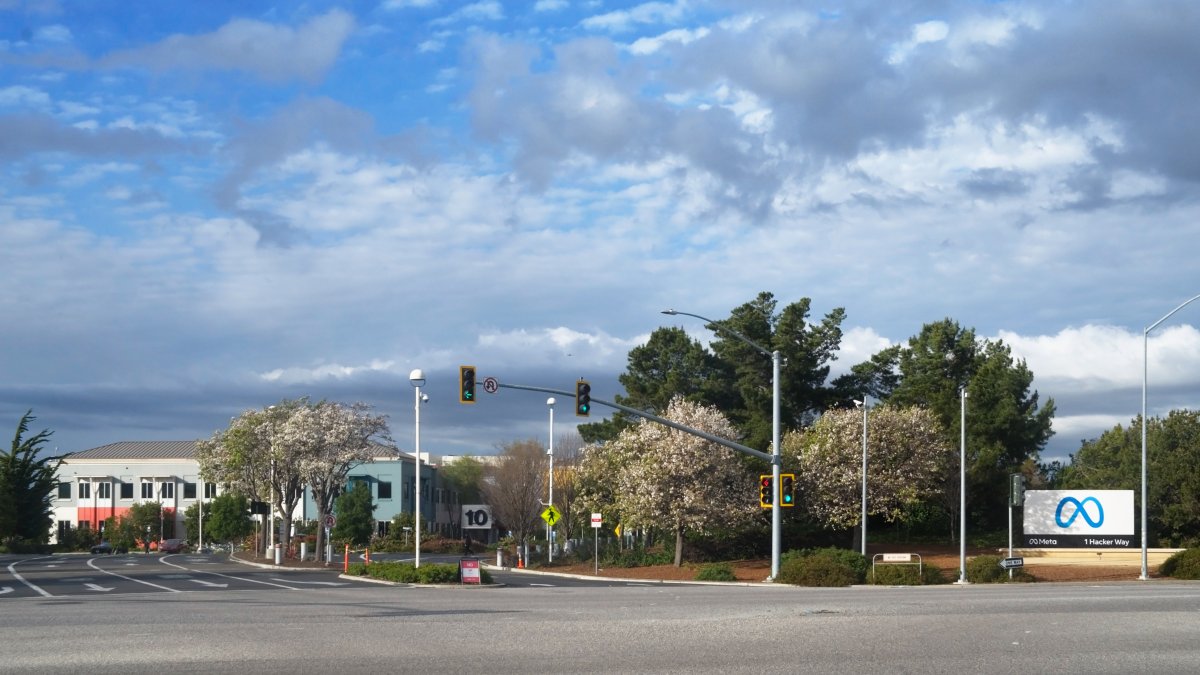
The agentic web now has a quarterly traffic report, and it reads like a land grab. DataDome, the bot-management vendor, says AI agent traffic across its network grew 41.5 percent quarter over quarter to nearly 25 billion requests in the third quarter of 2026. The single largest source is not a scrappy startup or an open-source crawler: it is Meta, which DataDome says generated 49.7 percent of all AI agent traffic it observed in the quarter - about 12.4 billion requests.
The composition inside Meta's share is telling. DataDome reports that Meta-WebIndexer overtook Meta-ExternalAgent as the company's most active crawler in September, which the report reads as continued investment in AI answer generation - building the index that lets Meta's assistant answer questions about the live web, rather than fetching pages on demand. A crawler named for indexing, outrunning a crawler named for external fetching, is a strategic statement about how Meta expects people to consume the web through its products.
The report also puts numbers on Meta's Muse crawler for the first time. DataDome attributes 29.1 million requests to Muse between September 22 and October 3, its first 12 days of full availability. In a sample of that traffic, 99.3 percent of requests originated from cloud and CDN infrastructure - in other words, from rented machines in data centers, not from anything resembling a consumer device. For publishers, that is the fingerprinting problem in one statistic: the traffic looks like a bot farm because it is one, and nothing in a standard user-agent string tells you whether the agent behind it is welcome.
The second structural shift is agentic browsers. DataDome says browser traffic from autonomous agents nearly quintupled in the quarter, with ChatGPT's cloud browser and Meta's crawler leading the activity. This category is materially harder to manage than classic crawlers. A named bot such as Meta-ExternalAgent announces itself and can be allowed or blocked by user-agent rules. An agent driving a real browser looks, at the network level, much closer to a person - and publishers currently have no clean way to distinguish an agent sent by a real user with a real task from one scraping at industrial scale.
That asymmetry is shaping up as the web's next policy fight. Cloudflare's AI Crawl Control already lets site owners permit, block, or charge individual crawlers, and a small ecosystem of pay-per-crawl and licensing schemes is forming around the same idea. But those mechanisms all assume the visitor identifies itself. For in-browser agents, the industry is still arguing about what the equivalent of robots.txt even is - whether sites will demand authenticated agent identities, charge at the gateway, or simply treat all automated traffic as hostile by default.
Two caveats belong next to the headline. DataDome sells bot mitigation, so a report dramatizing agent traffic is also marketing its own market; its figures describe one vendor's network, not the whole web. And the Meta numbers are Meta's traffic as seen by DataDome's customers - a biased sample skewed toward sites that care enough to deploy protection. Neither caveat changes the direction of the curve, but both argue against quoting 49.7 percent as a law of nature.
The business consequence is straightforward, though. Traffic that cannot be fingerprinted cannot be monetized, metered, or reliably blocked, and right now the fastest-growing source of web traffic is precisely that kind. Whoever solves agent identification - vendors like DataDome, Cloudflare, or the platforms sending the agents - will effectively set the tolls on the next version of the web. Q3's data suggests the toll booth is being built while the trucks are already rolling through.
Comments (0)
Log in to join the discussion
Log InNo comments yet