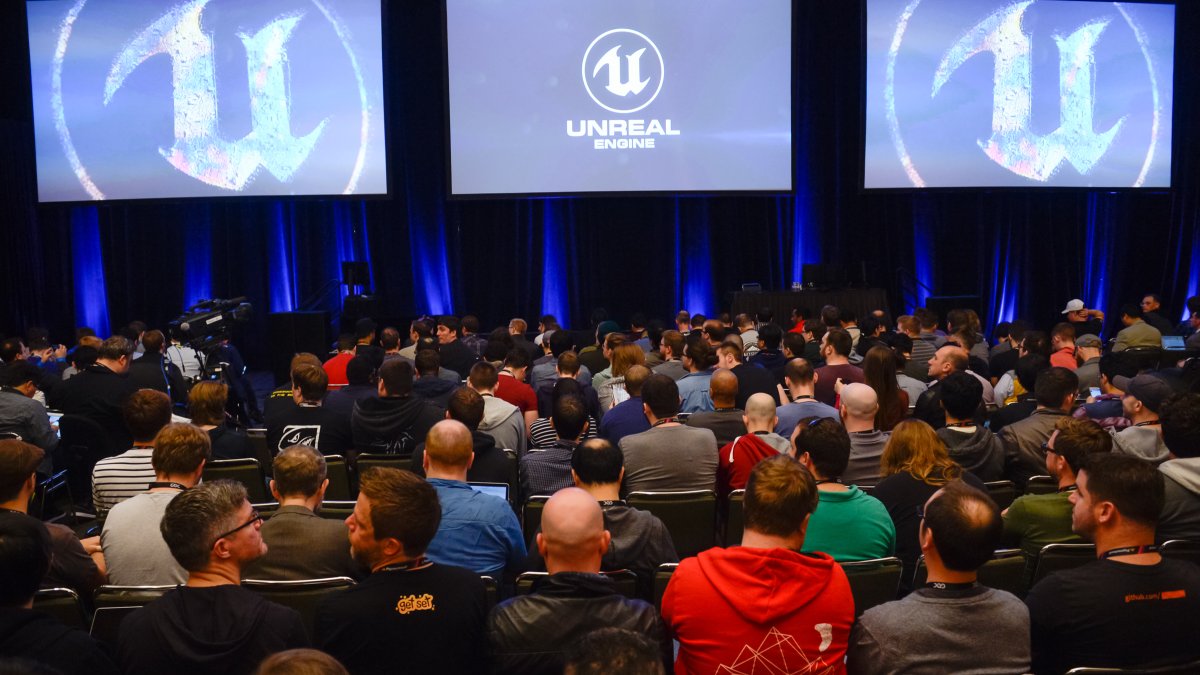
Epic Games, the maker of Fortnite and the Unreal Engine, is reorganizing itself around AI-generated content, and the first full test case is its long-rumored shooter with Disney. CEO Tim Sweeney confirmed the shift on X on October 12, writing that Epic is "moving developers around to retool for maximum AI acceleration" and framing the goal as enabling everyone "to build MORE and BETTER stuff, and to bring the benefits to all teams using Unreal."
According to a Bloomberg report published the same day, the Marvel- and Star Wars-themed shooter Epic is building with Disney — part of the entertainment universe planned under Disney's $1.5 billion investment in Epic — has been delayed from its expected March window, and the team has been told to adopt an "AI first" production model. One of the game's directors told staff in an internal message that there would be "no more hand-written code," and that all artwork for the game would be "generated with full AI workflows." Developers will manage, supervise and correct output from models such as Anthropic's Claude rather than write the code themselves.
Employees were reportedly left stunned by the announcement on a video call last week; some joked about asking Claude to fix its own errors, and others said they hoped the company would reverse course. Sweeney, responding to a user who called his timing "really really astounding," wrote that Epic is not alone in adapting this way: "Our job, as the provider of tools and technology to much of the industry, is to design for the present that is and the future that will soon be."
The pivot lands about six months after Epic eliminated more than 1,000 roles — roughly 20% of its global workforce — in March 2026, a restructuring the company attributed to slower growth rather than AI and which was projected to save over $500 million. Epic has also had an early preview of generative AI's failure modes: an AI-voiced Darth Vader in Fortnite drew scrutiny last year after it began producing curse words and nonsense.
The games industry is split on the same question. Surveys cited by PC Gamer put AI adoption at more than 85% of developers in Japan against 36% in North America, and several large tech companies have said AI now writes the majority of their internal code. But few have gone as far as Epic: declaring an entire flagship production AI-first, from code to art, before the tools have proven they can ship a game.
The bet is unusual because Epic sits on both sides of the transaction. It is a studio adopting AI, but it is also the vendor of Unreal Engine to thousands of third-party studios. Whatever Epic learns about retooling teams, review loops and AI-generated asset pipelines will be packaged into the engine those studios buy — and whatever breaks will be watched just as closely by the developers betting their own productions on the same playbook.
Comments (0)
Log in to join the discussion
Log InNo comments yet