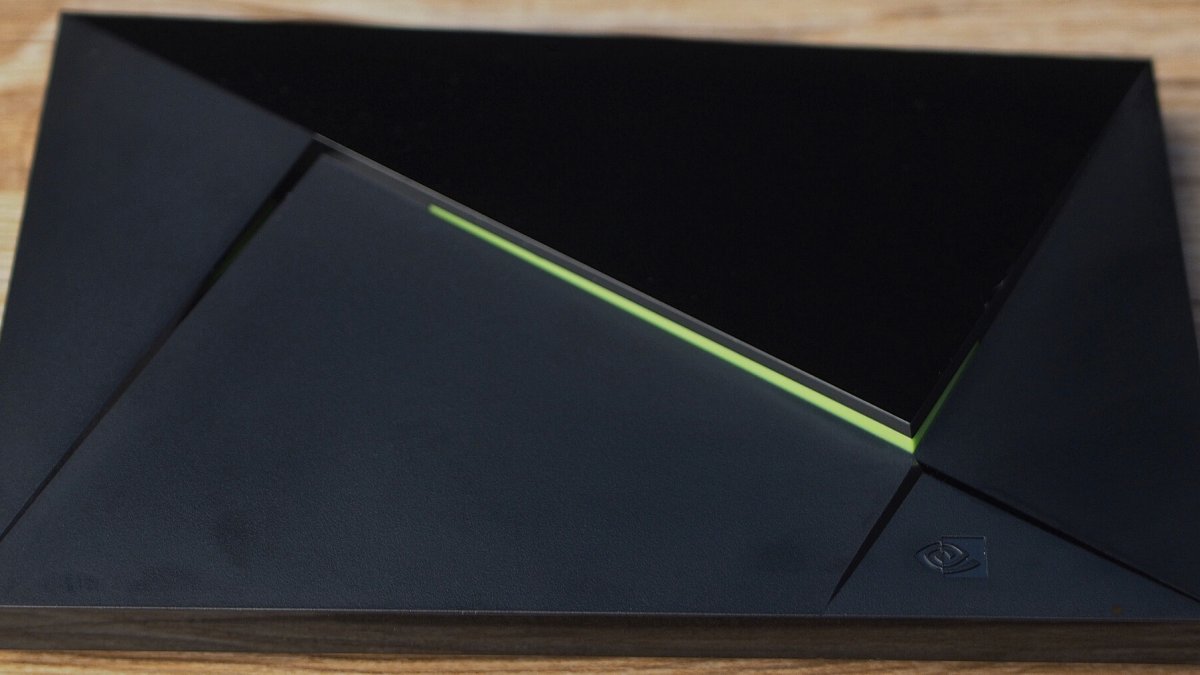
If you want a single data point for how far the memory price squeeze has spread, consider this: a streaming box designed in 2019, running a chip from the same year, just got a 50 percent price hike.
Nvidia confirmed to Ars Technica that the Shield TV Pro now retails at $299.99, up $100 from its long-standing $199.99, effective October 2. "The cost of components, including memory, has increased substantially across the industry," a company spokesperson said. Ars framed the increase as a consequence of AI-driven pressure on technology supply chains — though it is worth noting Nvidia's own quoted explanation stops short of naming AI, pointing only to industry-wide component costs.
The Shield TV Pro is not old stock being cleared out. Nvidia executive Andrew Bell said earlier this year that the company still actively manufactures the device and sells every unit it makes, calling it a "passion project." That matters for pricing: with no pre-AI-era warehouse to draw from, every newly built Shield carries today's component costs, including DRAM that has become dramatically more expensive as AI data centers absorb supply.
There is no cheaper escape hatch anymore, either. The non-Pro Shield, which launched at $149.99 alongside the Pro in 2019, has been discontinued. At the time of Ars Technica's report, the Pro was out of stock on Nvidia's own store, while Best Buy listed it at the new $299.99 price.
The hardware itself is unchanged. The box still runs Android TV on Nvidia's Tegra X1+ system-on-chip, with the company's AI-powered upscaling, broad codec support for nearly any media format, and a built-in Plex server mode that keeps a niche audience loyal. None of that is new, and none of it explains why the same silicon now costs half again as much.
The Shield is hardly alone. Nintendo, Microsoft and Sony have all raised console prices this generation, and the PlayStation 5 Pro has climbed from $699.99 at its 2024 launch to $899.99 today. The pattern tracks with what market researchers such as TrendForce have been warning all quarter: contract DRAM and NAND prices are climbing double digits, and anything containing memory — phones, consoles, storage, seven-year-old streaming boxes — inherits the bill.
There is a certain irony in Nvidia being the messenger here. As the dominant supplier of AI accelerators, the company is a primary reason HBM and conventional memory capacity has been redirected toward data centers, tightening consumer supply in the first place. The AI buildout is now charging Nvidia's own passion project rent — and by extension, anyone who just wants to stream Netflix on a very good media player.
Comments (0)
Log in to join the discussion
Log InNo comments yet