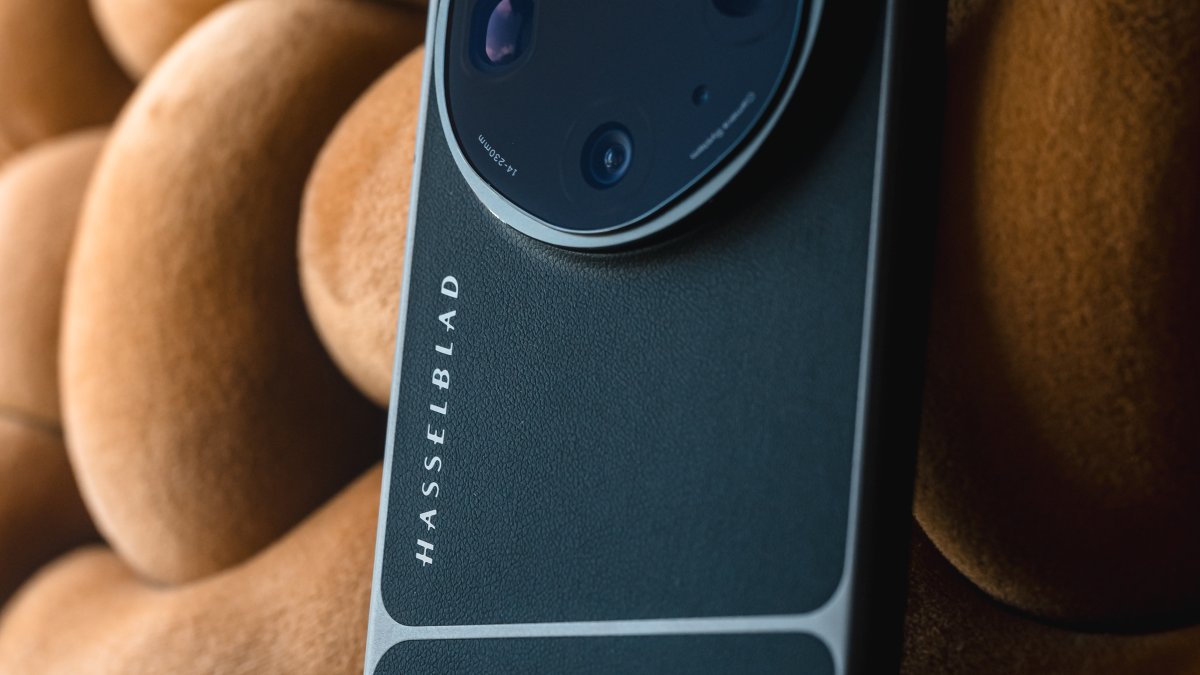
OPPO has signed a partnership with agent platform Manus to embed its agent capabilities into AI Mind Pilot, the assistant the phone maker is positioning as the centerpiece of ColorOS 17. The integration debuts on the upcoming Find X10 series, and marks a shift OPPO describes as moving from AI that answers questions to AI that completes tasks.
In the new agent mode, AI Mind Pilot takes a stated goal rather than a single command, breaks it into execution steps, retrieves the relevant information, selects the right tools and returns a finished result. It can also work directly with files and photos stored on the phone, according to the companies.
OPPO walked through a travel-planning scenario as the demonstration case. Ask the assistant to organize a trip and it pulls flight, hotel, restaurant and ticket bookings scattered across different apps, combines them with web research and produces a day-by-day itinerary — no manual copy-pasting between apps. The same pattern extends to office work: one instruction to find and organize trip photos, or to combine local documents with online material into a finished presentation, proposal or portfolio.
"Agentic AI marks an important shift, from simply answering questions to getting things done for users," said Tang Kai, president of OPPO software engineering. Manus co-founder and chief product officer Zhang Tao argued the smartphone is a natural home for personal agents: it carries the bulk of daily tasks, and system-level integration lowers the barrier for advanced agents to actually run on it.
Privacy is the stated design constraint. ColorOS 17 runs an on-device model that handles the understanding and organizing of local information; tasks like searching, organizing or renaming files and photos keep raw content on the device and are not shared with Manus. When a task needs cloud processing, the system asks for explicit user consent before uploading or sharing anything, the companies said.
For Manus, the deal is a distribution win. The company says Manus 2.0, built on the Cascade architecture that routes tasks to different tools, cut token consumption by 23.2% and task completion time by 28.2% in company-run tests — figures that have not been independently verified. Its parent, Butterfly Effect, raised more than $500 million from investors including Boyu Capital and IDG after relocating operations to Singapore.
Neither side disclosed the commercial terms, and OPPO said rollout regions and user benefits will be detailed at the Find X10 launch event. The partnership fits a wider pattern: phone makers are racing to turn assistants into system-level agents, and agent platforms are discovering that the fastest route to consumers runs through someone else's hardware.
The real test arrives after launch. Multi-app task completion has to work reliably on a device with fragmented app ecosystems and strict privacy boundaries; if it does, OPPO gets a differentiator that spec sheets cannot match, and Manus gets the largest consumer distribution any agent platform has shipped with to date.
Comments (0)
Log in to join the discussion
Log InNo comments yet