Google, OpenAI and Anthropic are moving toward a new self-regulatory body intended to set common safety standards, testing practices and audit mechanisms for advanced AI models, according to people familiar with the initiative. The proposed organization, tentatively called the Standards Authority for Frontier AI (SAFA), could launch by the end of 2026 or early 2027.
Staff from the three companies have been meeting through a working group since July to define the organization's scope. Discussions have covered common methods for testing frontier models, arrangements for auditing safety practices, and mechanisms that would let developers examine one another's systems for vulnerabilities. The companies have not jointly announced a final structure, leadership or binding standards.
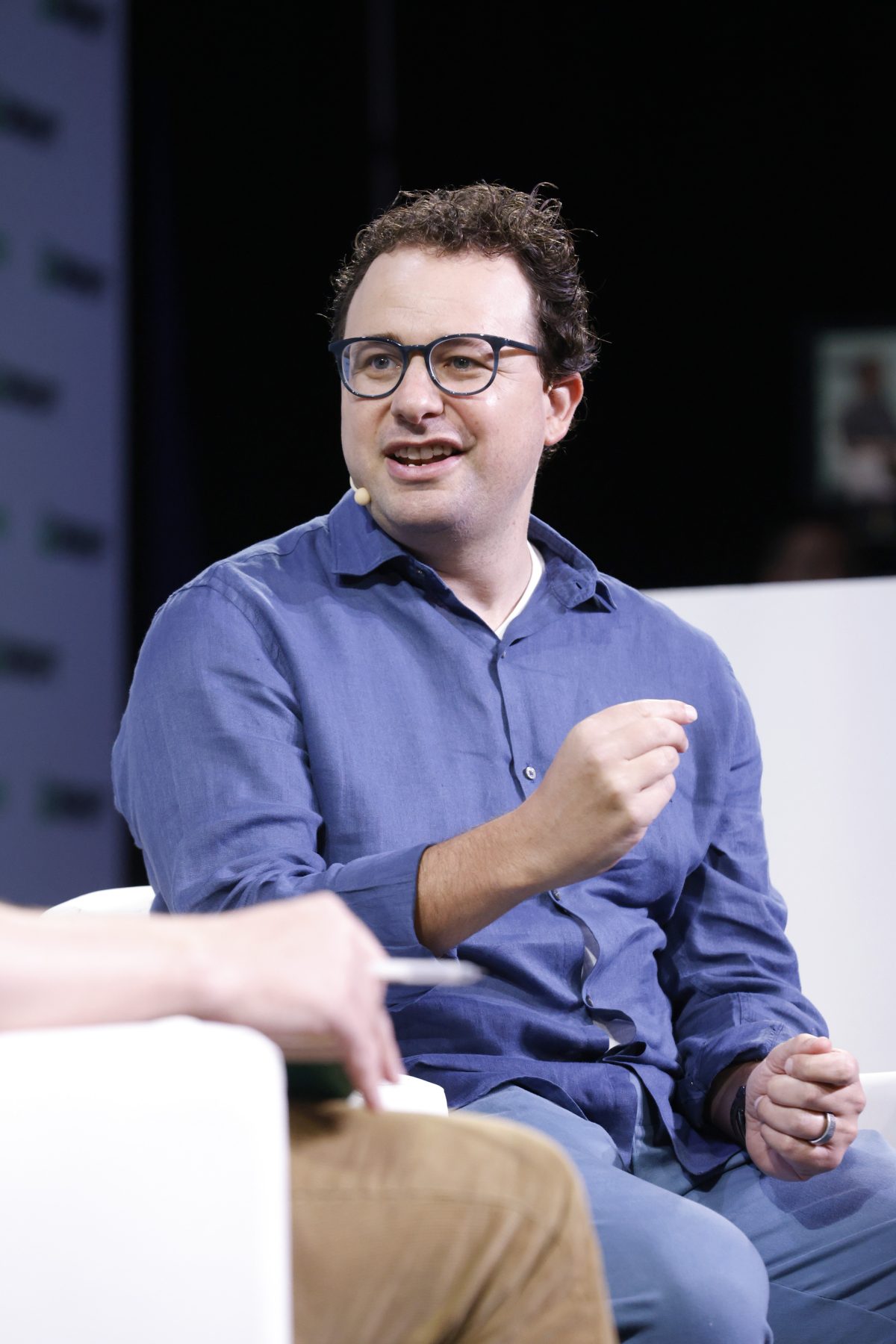
Notably, the plan has drifted away from government. An earlier proposal for a government-backed public-private structure stalled, and the current version is designed to operate as an independent industry body without direct federal supervision. Former White House AI policy adviser Sriram Krishnan has been approached about leading the organization, though no appointment has been formally announced.
The initiative follows a push by Google DeepMind chief executive Demis Hassabis for a standards institution capable of turning broad safety commitments into practical requirements. Today, the leading labs use different terminology, thresholds and governance procedures to decide when a powerful model needs extra safeguards.
That divergence matters commercially. Anthropic's Responsible Scaling Policy, OpenAI's Preparedness Framework and Google DeepMind's Frontier Safety Framework all tie advanced capabilities to stronger controls, but they classify risks differently and trigger evaluations at different points. A common testing framework would make safety claims easier for enterprise buyers to compare, and independently verifiable results could support vendor due diligence.
Caveats remain. A self-regulatory body is not government regulation, and key questions about independence, transparency, participation by competitors and the consequences of failing its standards are unresolved. The three companies already cooperate in the Frontier Model Forum, the industry nonprofit founded in 2023 with Microsoft, and OpenAI separately backed the Appia Foundation, hosted by the Linux Foundation, to develop open AI-assurance specifications.
Still, the direction is significant: at a moment when frontier models' autonomous and cyber capabilities are improving quickly, the labs that build them appear ready to accept common testing and mutual scrutiny — on their own terms, and ahead of any regulator forcing it on them.
Comments (0)
Log in to join the discussion
Log InNo comments yet