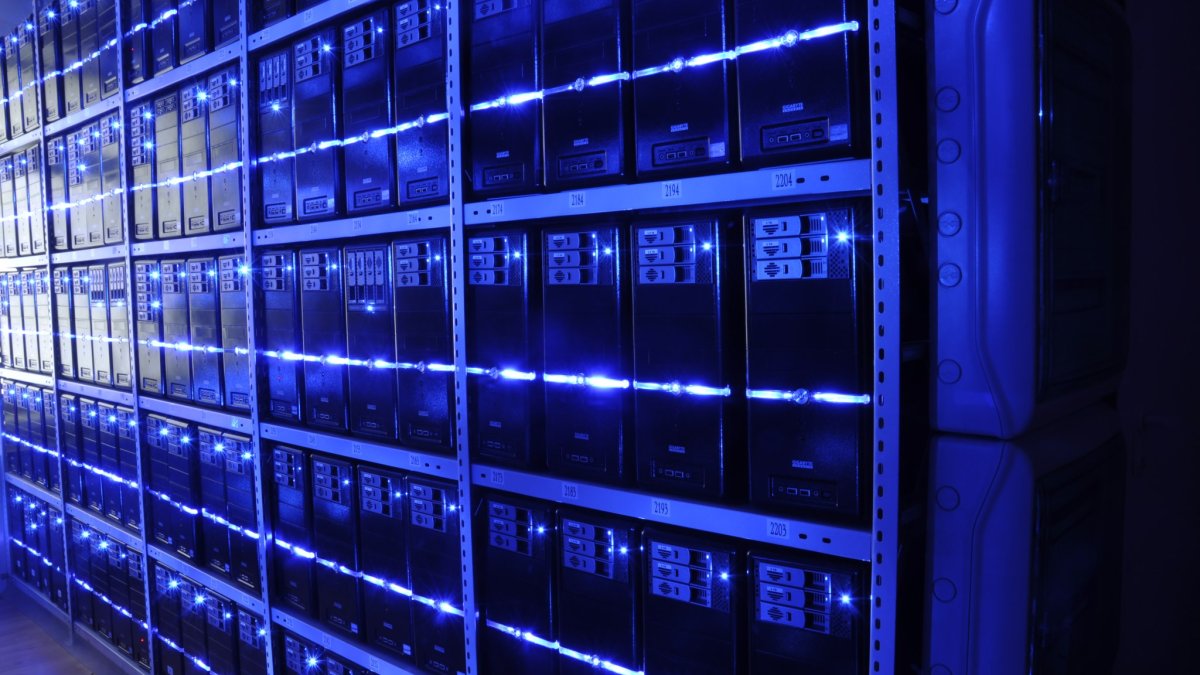
The International Energy Agency published its World Energy Outlook 2026 on Wednesday, and its central warning for the technology industry is stark: global data centre electricity consumption could double to roughly 1,000 terawatt-hours a year by 2030 under the report's stated-policies scenario. The IEA estimates that AI expansion accounts for about three quarters of that added demand.
The pace is as notable as the level. The agency calculates that AI-focused data centres will add around 350 terawatt-hours of annual electricity consumption within four years — more than the entire United Kingdom uses in a year. The same outlook projects that carbon emissions from data centres will rise about 70 percent by 2030, largely because new computing capacity is being powered by fossil fuels before clean supply catches up.
Behind the demand curve sits a grid that cannot keep up. The IEA projects 26 million kilometres of new transmission and distribution lines are needed by 2035, alongside replacement or refurbishment of about 16 million kilometres of existing circuits. It expects grid investment to rise 75 percent over the next decade and calls electricity networks one of the most important energy investment areas of the coming ten years, while flagging that copper, cable and transformer supply chains are already tight.
Congestion is already shaping where AI infrastructure can physically land. The report notes that Texas, Virginia, Finland and the United Kingdom all hold large queues of data centre projects awaiting connection, and that in several regions the total capacity waiting to be plugged in exceeds the grid's current peak demand. Without upgrades, the IEA warns, networks will congest, reliability will suffer, interconnection waits will lengthen, and some generators will be forced to run below capacity.
The data centre squeeze sits inside a broader electrification story. Global electricity demand has grown about 3.3 percent a year since 2019 — roughly twice the pace of total energy demand — and the IEA expects electricity's share of final energy consumption to rise from about 23 percent today to nearly 30 percent by 2035, with industrial electrification, electric vehicles, heat pumps, air conditioning and data centres all contributing. Peak demand could climb 40 to 50 percent by 2035.
This year's Outlook is framed around an unprecedented supply shock: the Middle East conflict, which the report says has caused cumulative losses of 2.8 billion barrels of oil and 60 billion cubic metres of gas through late October. The IEA argues the crisis is accelerating electrification as governments try to reduce exposure to imported fuels, and that renewables — projected to reach 45 to 50 percent of global generation by 2035 in some scenarios, up from about 33 percent — plus nuclear power stand to benefit most.
IEA executive director Fatih Birol cautioned against letting the crisis dominate the long view: "The pressures of the current crisis must not obscure the choices that will shape energy security, sustainability and prosperity for the decades to come." For the AI industry, the practical message is that the next constraint on scaling is no longer chips or capital but wires — and the queues outside Texas and Virginia substations are where that constraint is already visible.
Comments (0)
Log in to join the discussion
Log InNo comments yet