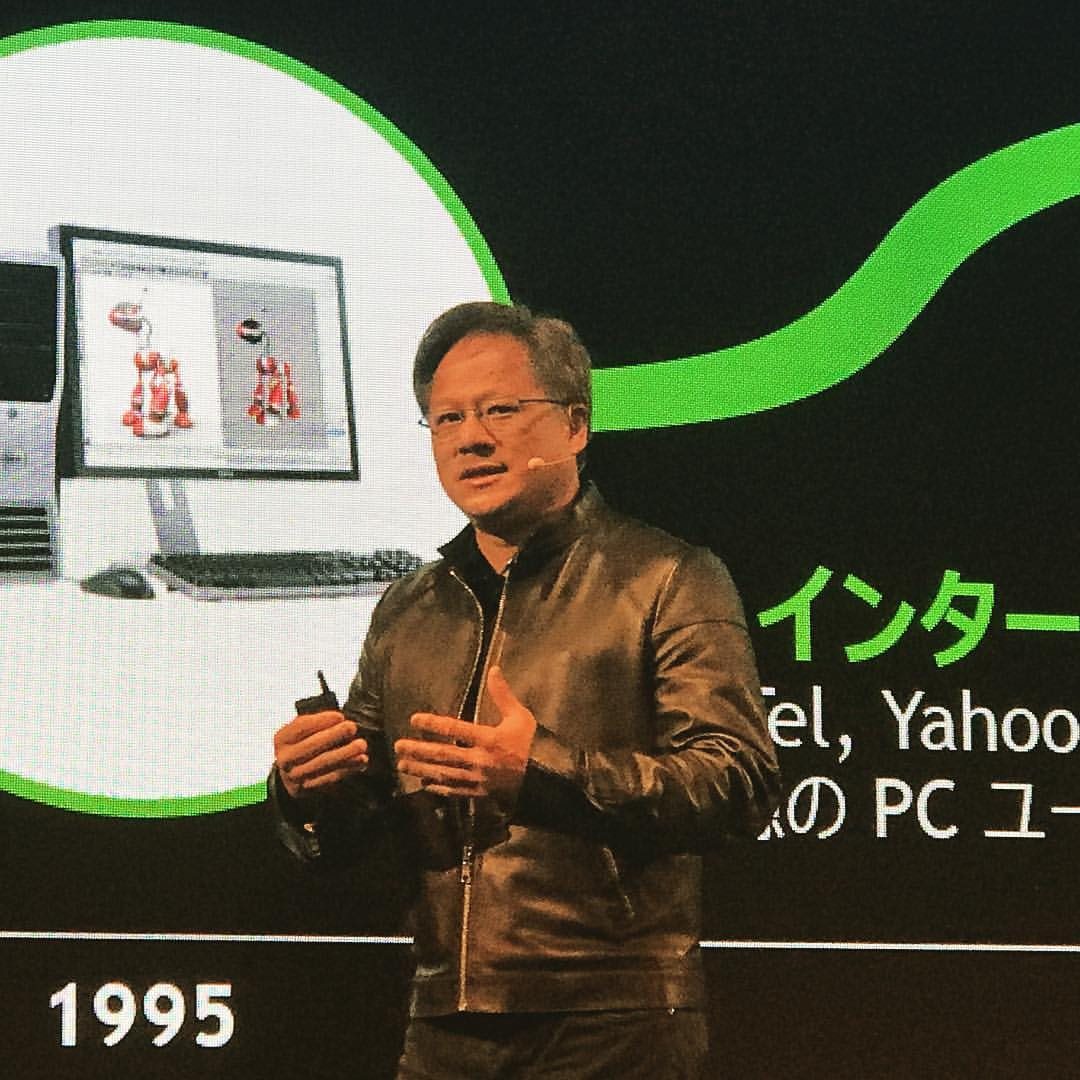
When Nvidia confirmed on September 3 that it would acquire Hugging Face for $12.93 billion, chief executive Jensen Huang moved quickly to calm the crowd that matters most: Hugging Face will "remain an open platform for the entire AI ecosystem," he said, and Nvidia compute will not be required to build on or deploy through it.
Three weeks later, the reassurance is already being tested. SemiAnalysis, the influential semiconductor and AI research firm, says that given the acquisition and Nvidia's track record on hardware-agnostic software development, its team is evaluating migrating part of its work to ModelScope and other alternative platforms.
The stakes are unusual for a software acquisition. Hugging Face has become something close to essential infrastructure for the AI world, hosting an estimated 3 million models, 1 million applications and half a million datasets used by more than 18 million developers. Nvidia is paying roughly 86 times the platform's annualized revenue for the deal, structured as about $11.9 billion in cash plus up to $1 billion in equity retention for employees, with closing expected in the first half of 2027 pending regulatory approval.
The deal itself had an unusual origin: Hugging Face approached Nvidia. Chief executive Clément Delangue, who had rejected a roughly $500 million Nvidia investment in 2025 to preserve the platform's neutrality among chipmakers, personally pitched Huang in the summer of 2026 on scaling open-source AI together — a reversal he attributed to a set of converging pressures on the open ecosystem.
For Nvidia, the logic is distribution. The company's greatest long-term threat is that its largest customers build their own silicon, and owning the place where developers discover and choose models puts Nvidia at the exact moment those decisions get made. Analysts have repeatedly drawn the comparison to Microsoft buying GitHub in 2018.
But neutrality was the product. Developers on AMD or Google's custom chips relied on Hugging Face precisely because it favored no vendor, and community reaction since the announcement has mixed wariness with resignation — some users calling the deal "monopoly" in spirit, others shrugging that competitors like ModelScope remain a click away.
SemiAnalysis's evaluation is only one team's shopping list, but it captures the risk Huang's pledge has to overcome: in open-source, trust is the distribution. If enough of the community starts testing the exits before the deal even closes, Nvidia will have paid $13 billion for a platform that is quietly emptying.
Comments (0)
Log in to join the discussion
Log InNo comments yet