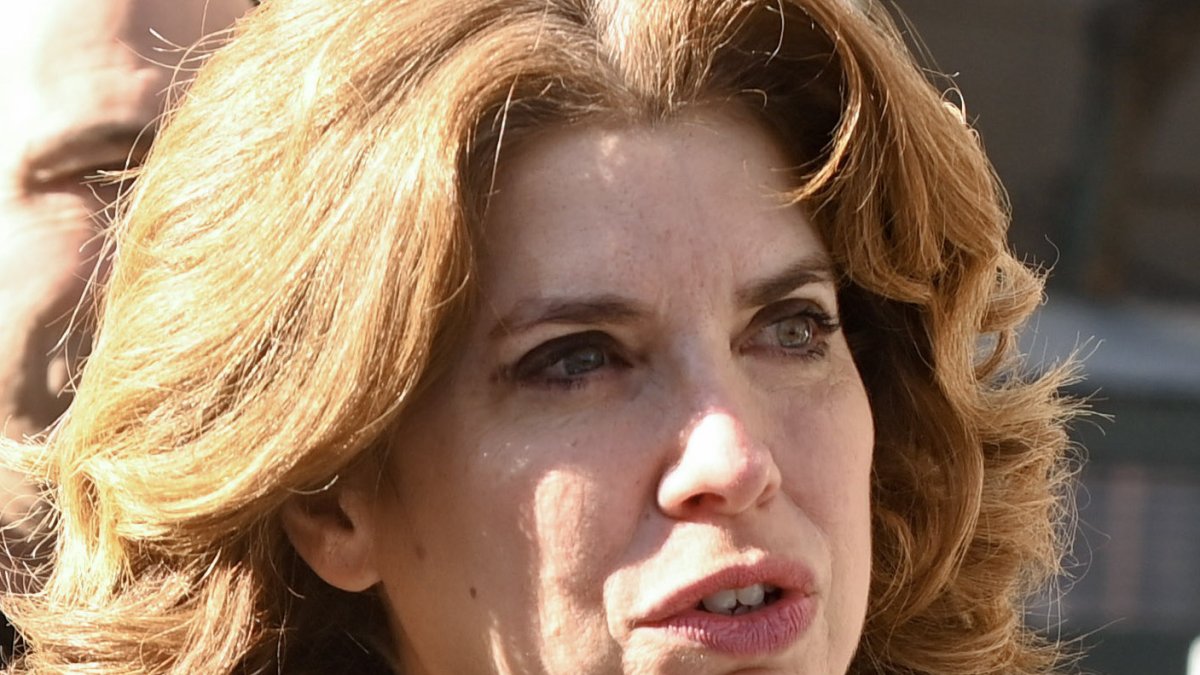
The New York City Council issued a subpoena on Monday compelling Elon Musk or another representative of SpaceXAI to testify at an October 5 hearing on artificial intelligence safety — the first time Speaker Julie Menin has exercised the body's subpoena power since taking the gavel.
The hearing is a Committee of the Whole, meaning all 51 Council members will take part. In her letter to Musk, Menin wrote that the city's "investigation will assess whether fast-emerging risks to public safety, cybersecurity, economic stability, privacy, consumers and businesses warrant immediate legislative action to protect New Yorkers."
SpaceXAI earned the subpoena by being the only company that failed to respond to the Council's invitations, sent between September 15 and 17. Meta agreed to send a senior executive without any threat; Google, OpenAI and Anthropic only confirmed after the Council warned it could compel them to appear. The Council has not yet sought enforcement — but under its rules it can ask the New York State Supreme Court to enforce the order, and pursue civil contempt sanctions if the company keeps refusing. The subpoena itself does not require Musk to appear personally; any SpaceXAI representative will do.
The target is not a small operation. SpaceX — Musk's reusable rocket company — merged with his AI venture xAI in February, creating a conglomerate that owns X and the Grok chatbot. The combined company went public in June and is now valued at roughly \$2 trillion, and last month it completed its \$60 billion acquisition of AI coding startup Cursor.
Lawsuits are piling up around Grok's image tools, which enabled mass production of deepfake pornography built on real people's images without consent. The city of Baltimore has accused SpaceXAI of violating consumer protection law by marketing the image generator as generally safe, and the company faces a proposed class action from teenagers whose likenesses were placed in sexualized scenes.
The October 5 session is also a working session for legislation. Among the measures under consideration: mandatory third-party validation of AI systems sold or deployed in the city, human kill switches to override AI systems, 24-hour incident reporting for city contractors, a whistleblower bounty program tied to recovered fines, a private right of action for New Yorkers harmed by AI agents, and penalties of \$25,000 per violation — applied per agent in coordinated systems.
"The hearing comes after weeks of serious warnings from whistleblowers and AI executives, and reports that rogue AI agents have already inflicted damage to government databases," the Council said in its press release. If big-city lawmakers start attaching subpoena power and per-instance fines to AI deployment rules, New York becomes the test case for whether municipal government can regulate systems that were built — and are being litigated — far above its pay grade. The first data point arrives October 5: whether anyone actually shows up for SpaceXAI.
Comments (0)
Log in to join the discussion
Log InNo comments yet