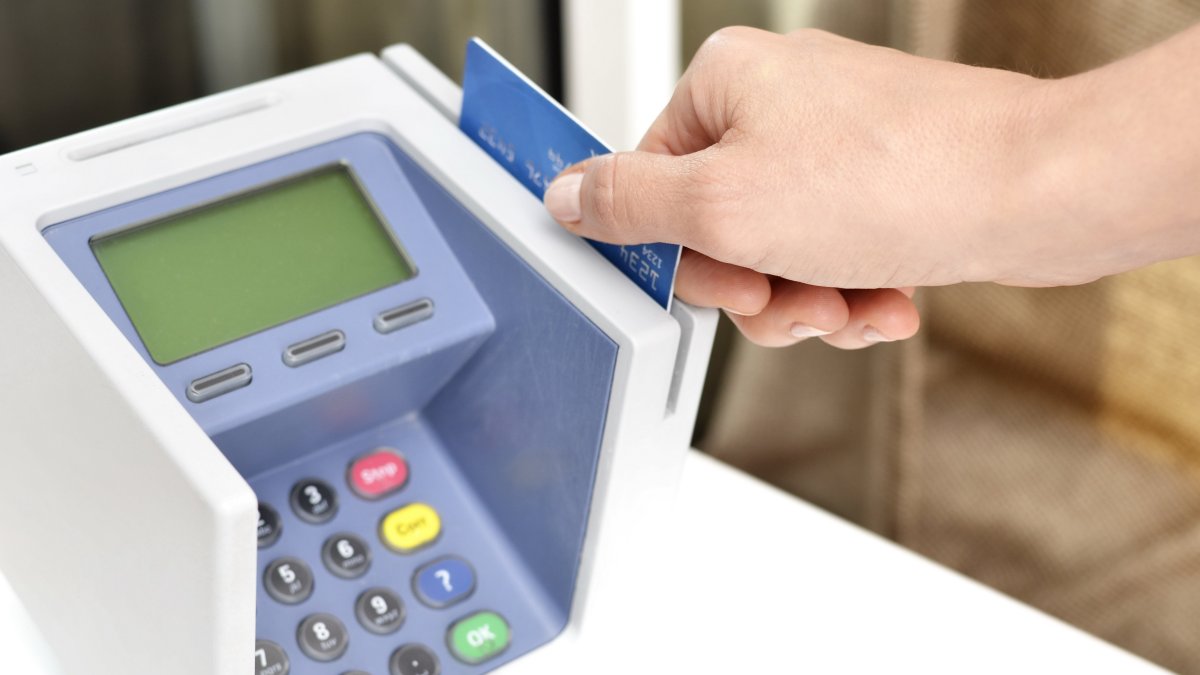
OpenAI on Friday launched ChatGPT Wallet, a payments feature that lets the company's "dots" AI agents complete purchases on behalf of users, moving the company from recommending products to actually transacting. The feature is rolling out first to a limited group of ChatGPT Pro subscribers in the United States who are at least 18 years old and hold a US-issued Visa, Mastercard or American Express card.
Setup is a one-time step: subscribers add an eligible card to the wallet, then ask their dot to help find and buy something. When it is time to pay, ChatGPT charges the selected card through a payment token — a substitute credential containing a limited-use card number, security code and expiration date — rather than the user's real card details. OpenAI says neither the dot nor the merchant ever sees the actual card information.
Users keep control at the point of sale. Before checkout happens, they can review the items, the total and which card will be charged, then approve the purchase with a security check such as Face ID or a fingerprint, which also creates a record of the transaction. OpenAI says shoppers still earn their usual credit card rewards and keep standard protections like the ability to dispute charges. Merchants automatically receive what they need to fulfill the order, such as the shipping address and contact information.
OpenAI is not taking a cut of transactions at launch. The company says its near-term goal is not commissions but partnerships with merchants that make ChatGPT feel like a legitimate shopping destination — a notable pitch at a moment when some of the largest retailers, most prominently Amazon, block AI agents from their sites to steer shoppers toward their own assistants like Alexa. To smooth the path, OpenAI also published a Commerce Partner Playbook with tools and guidance for retailers, including how to check whether a site is mistakenly blocking OpenAI's agents.
The launch lands in a consumer market that is still deciding how much it trusts agents with a credit card. DoorDash and Uber have so far reported low numbers of orders placed by AI agents, while Meta says AI-assisted shopping has become a top activity on its Muse app, which now claims more than 10 million users. OpenAI, by comparison, said ChatGPT had more than 1.2 billion weekly active users and close to 100 million paying subscribers as of the end of the third quarter — a large funnel for agentic commerce if conversion follows.
OpenAI notes that agentic shopping is still in its infancy and frames the limited rollout as a chance to test and improve the feature. On the roadmap: letting users set spending limits and configure purchase categories or time periods, so purchases can be pre-approved and handled more autonomously, and expanding the roster of supported retailers.
The signal for the industry is that the payments layer, not the model layer, is becoming the new competitive front in consumer AI. Whoever holds the tokenized card on file controls the checkout, the merchant relationship and eventually the economics of agent-driven retail. With Visa, Mastercard and Amex all at the table on day one, OpenAI has bought itself the credibility to run that experiment at scale — and every retailer that doesn't block agents is now, whether it likes it or not, part of the test.
Comments (0)
Log in to join the discussion
Log InNo comments yet