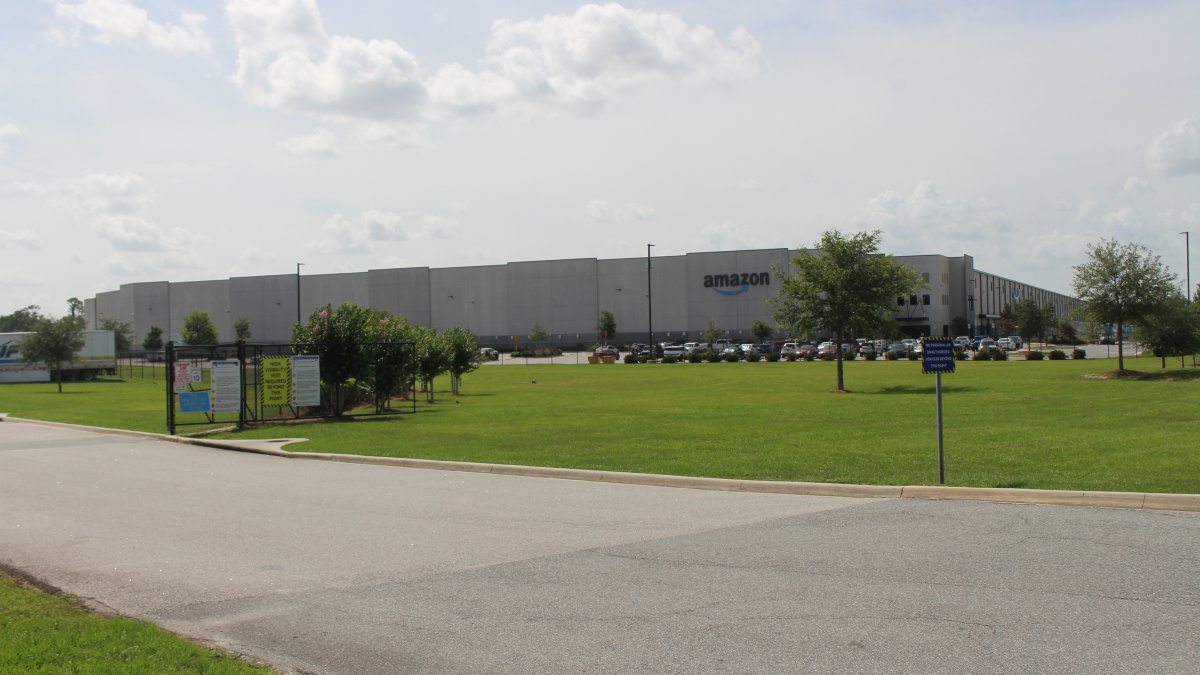
Amazon has drafted a plan to build a database covering nearly every product sold anywhere on the internet, including items it does not sell, according to an internal company document reviewed by Reuters. The project, referred to internally as the World Product Graph, carries a target release date of October 1, 2027, though Reuters could not determine whether Amazon will actually ship it, and the company says the document is an outdated brainstorming memo that does not necessarily reflect current plans.
The stated logic is blunt. Amazon concluded it "cannot be the [go-to] destination for every shopping mission if customers must leave to research product relationships on Google, brand websites and review sites." The document frames the problem around two audiences at once: human shoppers who bounce off Amazon to Reddit or Google before buying, and a newer competitor Amazon fears more — autonomous AI shopping agents that will route their owners' purchases to whichever platform holds the most complete product data.
If Amazon ends up owning that index, the thinking goes, agents will query it by default. The company has already moved defensively on this front: it blocked Meta's Muse agent — which has surpassed 10 million users in the US and Canada since its September launch — from its retail site, and sued Perplexity last year over similar access. JPMorgan analysts have suggested Muse could become the most widely used consumer AI application since ChatGPT, and Elon Musk mused publicly that Amazon's agent block might justify building a competitor.
The second driver is Amazon's own assistant. Rufus, rebranded as Alexa for Shopping in May, handles roughly 83 million searches per week, and the internal document concedes that "many Rufus answers are factually wrong or incomplete" while conceding that running user queries through the AI is expensive. Amazon disputes both figures as significantly outdated and says its own data puts accuracy at roughly 97 percent globally. Either way, the plan is to feed the assistant more external product data so it can answer accurately while routing queries through smaller, cheaper models. CEO Andy Jassy said Alexa for Shopping has been used by more than 400 million people in the past year.
Building the graph would combine two supply channels: direct contributions from brands and retailers, and automated crawling of competitor websites. Reuters reports Coca-Cola and Bayer have agreed to contribute product data, and Amazon held a CEO-level summit to discuss a trial with Procter & Gamble. The project sits in the Selection & Catalog Systems unit under vice president Robert Tekiela, and staff are being shuffled internally to start it — though people familiar cautioned it could still be modified or shelved over financial concerns. The document itself notes the effort "depends on discovering how brands organize their products on their own websites."
It would extend an existing pattern. Amazon's Shop Direct feature, launched in February 2025, links shoppers to external merchant sites when Amazon does not carry an item; it grew from 100 million listings across 400,000 merchants in March 2025 to 250 million links by late October. The context also explains the urgency: a 2025 Morgan Stanley report found 16 percent of online shoppers start product research on Amazon versus 57 percent on Google, and even when the product is already chosen, Amazon leads at 41 percent with Walmart at 18 percent.
For the AI agent economy, the memo is a signal of where the next platform war is heading. Whoever owns the richest structured product data becomes the substrate that shopping agents build on — the way Google's web index anchored a generation of search. The same crawl-everything ambition that raised antitrust questions for search engines now applies to commerce, and Amazon's own restrictions on third-party bots make the asymmetry pointed: the company blocks agents from reading its catalog while planning to crawl everyone else's. Whether the World Product Graph ships in 2027 or dies as a draft, the fact that Amazon is pre-positioning for a world where agents, not humans, do the shopping says plenty about which way it expects that world to tip.
Comments (0)
Log in to join the discussion
Log InNo comments yet