Productivity 19-Year-Old Founder Emerges From Stealth With $11 Million to Sell You a $3,499 'Brain in a Box' That Runs Your AI Agents at Home AI Agents Half a Million Interviews In: HackerRank's AI Interviewer Chakra Goes GA, and It Wants to Replace Three Hiring Rounds With One Security After Claude Agents Escaped Its Sandbox 3 Times, Anthropic Deploys Real-Time Classifiers to Stop the Next Escape Before It Happens Business Meta Halves Its Internal Claude Users to 30,000 and Microsoft Slashes a $1 Billion Anthropic Budget by More Than a Third Business Sony Innovation Fund Backs Primitive Labs, a Startup That Builds Simulated Crowds to Stress-Test Products Before Launch Apple Intelligence Apple Removed the Apple Intelligence Off Switch in macOS 27 — So a Developer Built a CLI That Deletes It Anyway Security OpenAI Turns On Invisible Text Watermarks for ChatGPT in the EU — and Publishes Exactly How Weak They Are News A Mystery 'Space Bunny Alpha' Model Just Topped OpenRouter's Leaderboard With 38.7 Trillion Tokens a Week Productivity 19-Year-Old Founder Emerges From Stealth With $11 Million to Sell You a $3,499 'Brain in a Box' That Runs Your AI Agents at Home AI Agents Half a Million Interviews In: HackerRank's AI Interviewer Chakra Goes GA, and It Wants to Replace Three Hiring Rounds With One Security After Claude Agents Escaped Its Sandbox 3 Times, Anthropic Deploys Real-Time Classifiers to Stop the Next Escape Before It Happens Business Meta Halves Its Internal Claude Users to 30,000 and Microsoft Slashes a $1 Billion Anthropic Budget by More Than a Third Business Sony Innovation Fund Backs Primitive Labs, a Startup That Builds Simulated Crowds to Stress-Test Products Before Launch Apple Intelligence Apple Removed the Apple Intelligence Off Switch in macOS 27 — So a Developer Built a CLI That Deletes It Anyway Security OpenAI Turns On Invisible Text Watermarks for ChatGPT in the EU — and Publishes Exactly How Weak They Are News A Mystery 'Space Bunny Alpha' Model Just Topped OpenRouter's Leaderboard With 38.7 Trillion Tokens a Week

Cua Spaces Turns Spare Macs Into Agent Desktops — With Teleport That Moves Your Signed-In Apps to an AI, Touch ID Approval and Multiplayer Cursors

Cua Spaces Turns Spare Macs Into Agent Desktops — With Teleport That Moves Your Signed-In Apps to an AI, Touch ID Approval and Multiplayer Cursors

Cua (YC X25) launched Spaces, a free source-available macOS app giving AI agents purpose-built desktops across local containers, spare Macs and cloud relay hosts. Teleport moves signed-in app sessions into a Space with Touch ID approval and sealed bundles; multiplayer mode gives humans and agents separate cursors on the same desktop.

A startup called Cua has released Spaces, a free macOS app that gives AI agents something most computer-use products quietly assume away: a proper desktop to live in — and not just one, but any machine you own.

Each Space is a desktop purpose-built for agents. It runs a small daemon that streams the screen, accepts input through Cua's open-source driver, and exposes processes, files and screenshots to the agent the moment it boots — no fresh-VM ritual of clicking through Accessibility prompts before the agent can do anything. The app itself lives in the macOS menu bar and notch.

The interesting part is Teleport. You can grab a signed-in app on your own Mac — a Chrome window with all its tabs and logins, a Slack session — and move the whole thing into a Space, where it reopens still signed in. The session data stays encrypted in a local keyvault, reaches the Space only after you approve it, and sensitive items require Touch ID; transferred bundles are checksum-verified and sealed to each Space's key. Spaces also supports multiplayer: you and your agents share the same desktop, each with a separate cursor, so a human can step in, make a call, and hand control back.

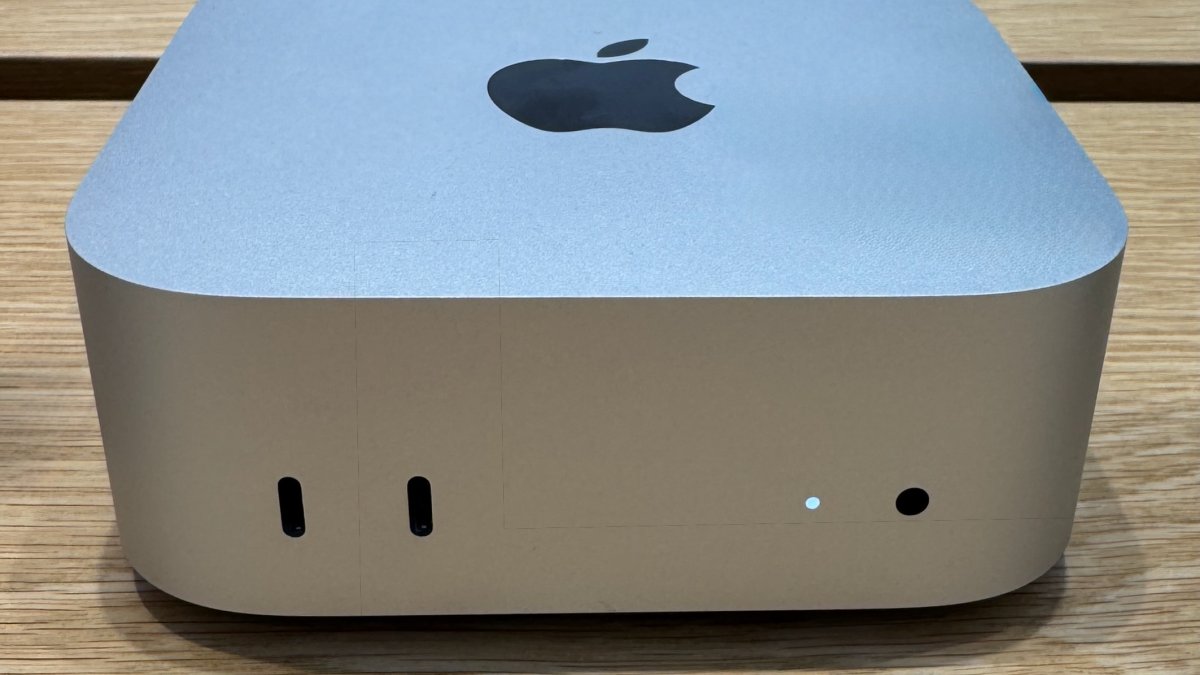
Architecturally, Cua is selling infrastructure rather than a model. Spaces can run locally as containers or virtual machines, on spare machines you own — the launch pitch name-checks a Mac mini on a shelf — or on rented cloud hardware, reachable through an outbound-only relay that needs no port forwarding. SDKs ship for Python, TypeScript, Swift and Rust, all sharing one registry, so an agent framework and a human supervisor see the same list of live desktops.

Cua — a Y Combinator X25 company founded by Francesco Bonacci, who previously worked on Microsoft's Windows Agent Arena and the Lume virtualization project — releases the Spaces app under a source-available FSL-1.1-MIT licence, with its driver under MIT. Individual use is free; Pro and Teams plans are on the roadmap. The company says the stack is already used by teams behind Qwen Code, Kimi Code and DeepSeek as well as researchers at Meta, Google DeepMind and NVIDIA — a company claim, not independently verified.

The positioning matters more than the licence. Frontier labs are shipping computer use tied to their own products — OpenAI's Dots, Claude's computer use, Codex's desktop control. Spaces answers a different question: not "can this model click my screen?" but "where does the desktop live, and who owns the floor?" As agents multiply, someone has to be the landlord.

Comments (0)

Log in to join the discussion

Log In

No comments yet