SoftBank has completed its acquisition of DigitalBridge, the digital infrastructure investment manager, in a deal valued at roughly $4 billion including debt — about $3.1 billion for the outstanding shares, according to the company's September 30 announcement. DigitalBridge now becomes a consolidated SoftBank subsidiary, continuing to be led by CEO Marc Ganzi as an independent management platform.
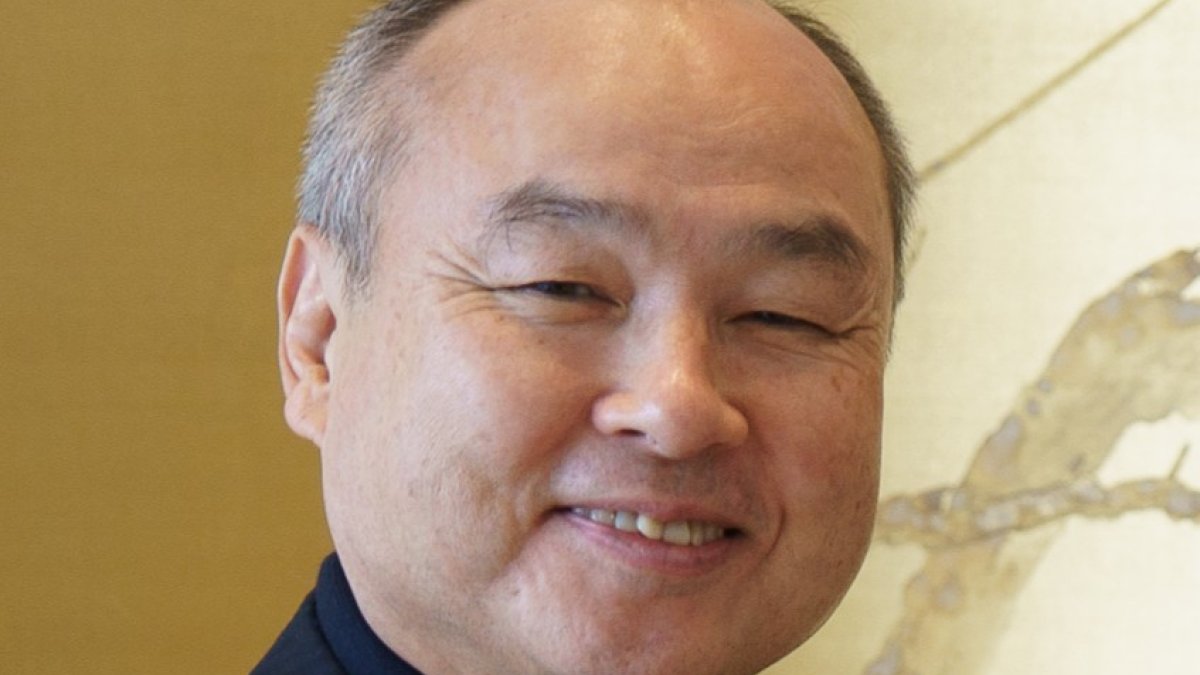
On the surface it is a mid-sized M&A deal. Underneath, it is a structural admission: Masayoshi Son's AI plans have grown bigger than SoftBank's balance sheet. Speaking to the Financial Times in an interview published Saturday, Ganzi was unusually blunt about the logic. "As Masayoshi's ambitions keep expanding, the funding needs are getting bigger, and he cannot rely entirely on SoftBank's balance sheet to accomplish all of this," he said. "DigitalBridge remains independent, because we will not be folded into SoftBank's balance sheet. We will become SoftBank's third-party infrastructure arm, raising third-party capital and investing it in projects."
That means pension funds, sovereign wealth funds and other institutional LPs — capital pools that SoftBank's own books could never absorb at the scale the company is now targeting. DigitalBridge manages more than $100 billion in digital infrastructure assets, and its funds hold significant stakes in data center operators including Vantage, Switch and DataBank, plus Zayo, one of North America's largest independent fiber operators.
Ganzi framed the combination with a three-layer metaphor that Son himself uses: a "wedding cake" of AI. The top layer is models, secured through SoftBank's multibillion-dollar stake in OpenAI. The middle layer is chips, secured through Arm, which SoftBank owns outright. The bottom layer — power and data centers — is what DigitalBridge provides. "Power is the gateway to compute," Ganzi told the FT. "If you cannot control an electron, you do not get a token."
The timing matters. SoftBank this month launched one of the largest junk-bond offerings ever assembled to help fund its OpenAI commitment, which reportedly totals around $65 billion. Meanwhile SB Energy, the SoftBank-controlled group building data centers for OpenAI, has slowed its IPO preparation, and OpenAI itself has pushed back its own listing plans. The AI buildout is consuming capital faster than any single corporate balance sheet — even one backed by the world's most aggressive tech investor — can comfortably supply.
The deal also lands in a market where money for AI infrastructure has never been more available, but permission to build has never been more contested. Community and political resistance to data centers is intensifying across the US, Europe and Asia, which puts a premium on operators with permitted capacity and deep utility relationships — exactly what DigitalBridge's portfolio brings.
For the broader industry, the template is the story: expect the largest AI capital allocators to stop funding gigawatt-scale buildouts directly and start buying or partnering with infrastructure managers who can raise third-party capital. Blackstone, Brookfield and the sovereign funds already active in data centers will be watching how DigitalBridge's LP relationships accelerate Stargate-adjacent projects. AI infrastructure, in effect, is becoming an institutional asset class — and SoftBank just bought itself the fund manager.
Comments (0)
Log in to join the discussion
Log InNo comments yet