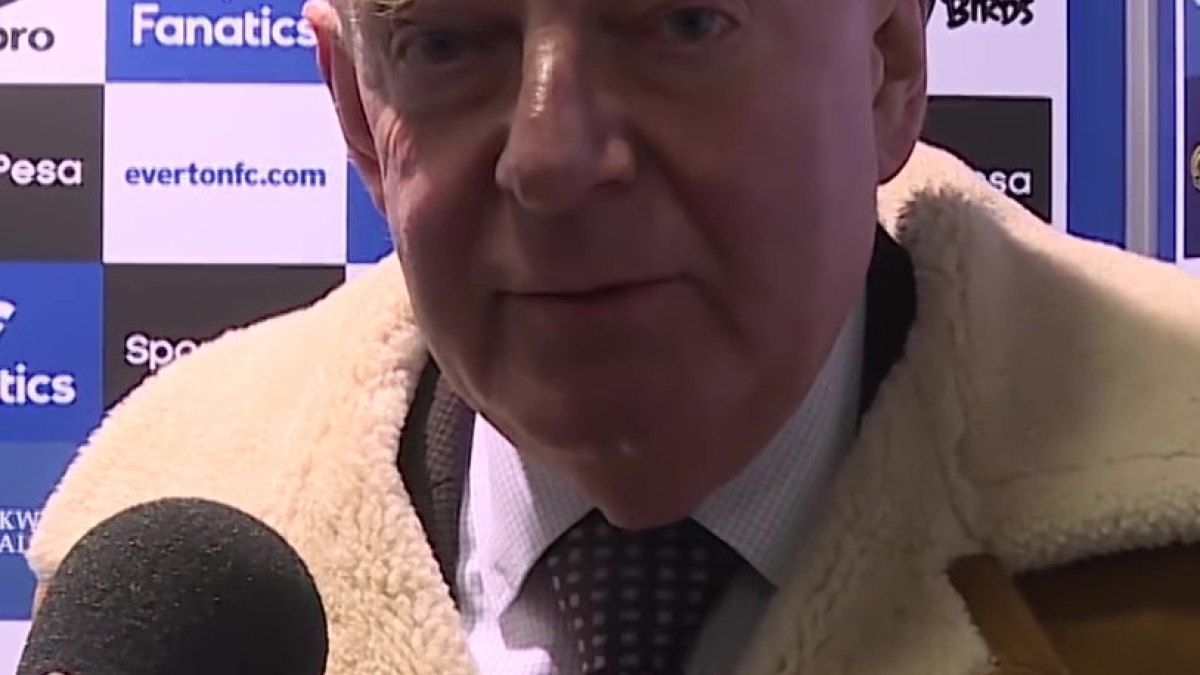
Electronic Arts has put a dead commentator back behind the microphone. In the Title Update v1.3.0 patch notes for EA Sports FC 27, the publisher said it had restored John Motson - the BBC commentator who voiced its football titles from 1996 to 2006 - as a selectable in-game commentator, using "AI-assisted tools" built on almost ten years of his original recordings.
The implementation is a hybrid rather than a pure synthesis. Players will hear "a mix of both his original audio and an AI-recreation trained by recordings of the man himself," EA said, and can switch him on from the audio settings menu. The company said it worked "with the blessing of his family" and framed the update as a digital tribute to "one of the greatest voices in the sport." A Twitch breakdown of the patch is scheduled for Nov 26.
Motson died in 2023 aged 77. His son Fred said the family was grateful for "a fitting tribute" that preserves his memory in the game, and told the BBC that his father would "absolutely" have wanted to take part this way. According to the BBC and the Daily Mail, the family was paid for the use of his likeness and the recreation of his voice. EA's justification is practical: no recordings exist of Motson commentating on players who debuted after his death, so synthetic generation was the only route to making him sound current.
That defence will not settle the argument. Synthetic voice is one of the most contested corners of generative AI. In August, 80 performers backed the Save Our Voices Now campaign, led by actor and voice artist Peter Caulfield and supported by names including Hugh Bonneville, calling for legal protection against voice cloning. Campaigners point to Denmark, which has moved to give citizens control over AI replicas of their face, body and voice, including the right to demand removal and compensation.
Sports commentary is, in some ways, the easiest place to start. It is heavily scripted, built from a bounded vocabulary of player names, formations and stock phrases, and has always been assembled from recorded fragments - which is why legacy commentary has become the first mass-market use of voice cloning that most players will actually hear. It is also where the gap between "sounds like him" and "thinks like him" is most obvious: a model can reproduce Motson's cadence on a goal, but not his timing on a match that turns in an unexpected direction.
The commercial logic is straightforward. Commentary packs are cheap content that helps renew an annual release, and licensing a deceased legend's voice through his estate is cleaner than signing a new commentator to an exclusive deal. If the FC 27 update lands without a backlash, expect the template - estate consent, disclosed AI use, payment for the likeness - to spread to other sports titles and to broadcasters sitting on decades of archive audio.
What this means: consent and compensation are becoming the industry's de facto rulebook, ahead of any statute. EA did the things regulators are likely to demand - family approval, payment, disclosure in the patch notes - which is precisely why the case will be cited by both sides: as proof that licensing works, and as proof that performers need a law rather than a negotiating position.
Comments (0)
Log in to join the discussion
Log InNo comments yet