Perplexity is entering the workplace agent race. The AI search company on Wednesday launched Teammates, a set of always-on agents designed to work like actual colleagues: they take on multiple roles within a workspace, run around the clock, and pull existing projects, skills and memory from the Perplexity tools a team already uses. The Verge first reported the launch, positioning it directly against OpenAI's Dots and Anthropic's Claude Duet, both of which debuted earlier this fall.
The architecture builds on Perplexity Computer, the company's system for deploying agents directly on a user's device. Perplexity says Teammates "build on top" of that foundation by adding the ability to collaborate and complete "ongoing, large-scale work." In practice, that means a team can assign each Teammate a different job, and the agents perform their tasks simultaneously rather than queuing behind one another. The company frames this as the difference between a search assistant and a workforce.
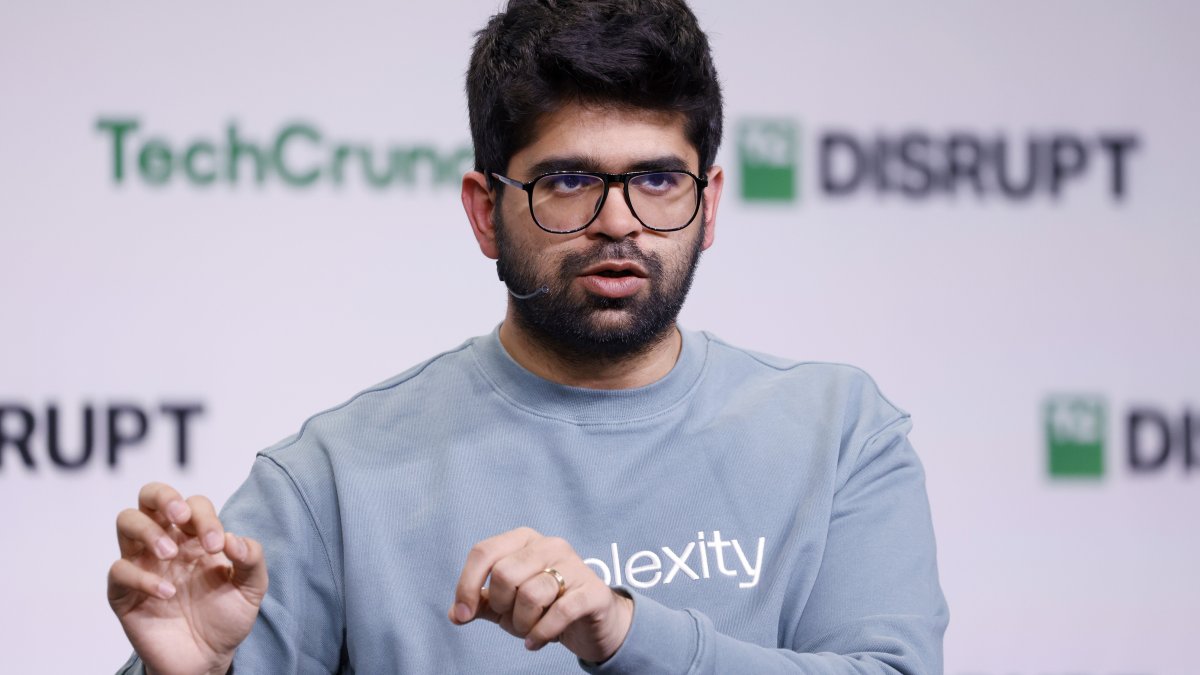
Supervision follows the same metaphor. Each Teammate gets its own thread inside the Perplexity app, where users can track progress, review output and redirect work mid-stream. Teams can also interact with Teammates through Slack, which makes the agents less a separate product and more an ambient presence inside tools workplaces already use. Perplexity is explicit about the direction of travel: "Over time, we envision every org having hundreds of teammates working for each person," CEO Aravind Srinivas wrote on X.
There is a catch, and it is the price. Teammates require a subscription to Perplexity's Max plan at $200 per month, which The Verge notes makes Perplexity's take considerably more expensive than competing offerings from OpenAI and Anthropic. That premium positions Teammates as a tool for teams with sustained, high-volume workloads rather than individual experimentation, and it signals how seriously Perplexity is betting on enterprise productivity to diversify beyond search subscriptions.
The competitive context explains the timing. OpenAI's Dots, launched at its DevDay, and Anthropic's Claude Duet established the template of role-based, persistent agents embedded in work products. Perplexity's differentiation rests on two things: its agents inherit the research skills the company is best known for, and the integration with Computer lets work actually execute on devices rather than only in a browser sandbox. Whether that combination justifies the price gap is now the central question.
The deeper story is consolidation of the AI assistant market around a shared form factor: persistent, multi-role agents with memory, permissions and their own communication channels. Three of the most prominent AI companies shipped near-identical concepts within weeks of each other, which suggests the workplace agent is no longer an experiment but the next subscription battleground. For users, the practical consequence is that "hiring" software is becoming a real procurement decision, complete with seats, role assignments and per-org headcounts of synthetic coworkers.
Comments (0)
Log in to join the discussion
Log InNo comments yet