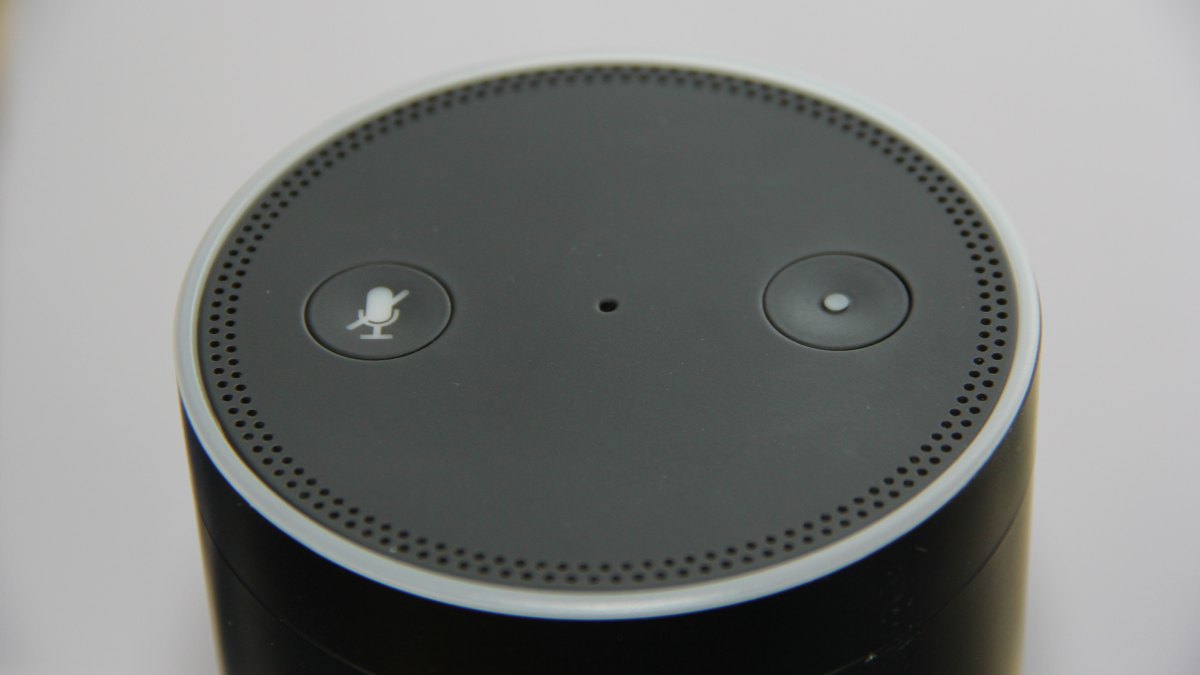
Amazon has a new way to shop, and it looks a lot like the agents it just locked out. Starting this week, the company will invite US users over text message to enable shopping through Alexa, letting them search for products, add items to a cart and complete purchases entirely through natural-language text conversations. The rollout will reach millions of users over the coming weeks, Amazon says, with some customers receiving an SMS invite to switch the feature on.
The feature is built on Amazon's recent upgrades to Alexa's shopping capabilities. Beyond search-and-buy, the text agent can manage shopping lists, track price changes, search the web for products, compare options and check order status. Users can also share images — a product photo, or someone else's outfit — to use as a shopping prompt. It is, in effect, a full agent interface delivered through the most mundane channel on a phone.
The timing and framing are not accidental. In September, Amazon blocked Meta's Muse shopping agent from querying its marketplace, part of a broader standoff in which platforms — Yelp, Delta and Amtrak among them — have shut their doors to third-party agents that browse, compare and book on users' behalf. Launching an official text-based shopping agent weeks later gives Amazon a sanctioned alternative: users who wanted an agent to do their holiday shopping can now do it, as long as the agent is Alexa.
Amazon is also following where users already are. Muse and Instinct, the consumer agents that have grown fastest this year, both lean on text messaging as their primary interface, meeting people in the channel they actually use rather than asking them to open another app. Text also lowers the barrier for casual commerce: no app switch, no browser, just a sentence. Amazon's bet is that shortening the distance between "I need new running shoes" and a completed order matters more in the holiday quarter than any amount of app polish.
For the broader agent economy, the move sharpens a question that has defined the second half of 2026: who is allowed to transact on whose platform? Shopify opened checkout to outside agents, Amazon and others closed it, and retailers are increasingly splitting into camps. By internalizing the agent, Amazon keeps the customer relationship, the data and the ad surface inside its own walls — the same consolidation logic that led it to block Muse in the first place.
The practical test will be whether text conversations actually convert. Complex purchases involve comparison, hesitation and returns, and a conversational thread is a fragile container for them. But with Alexa now able to carry a shopping task from first message to confirmation, Amazon has made its position clear for the agent era: the shopping agent of the future will be its own.
Comments (0)
Log in to join the discussion
Log InNo comments yet