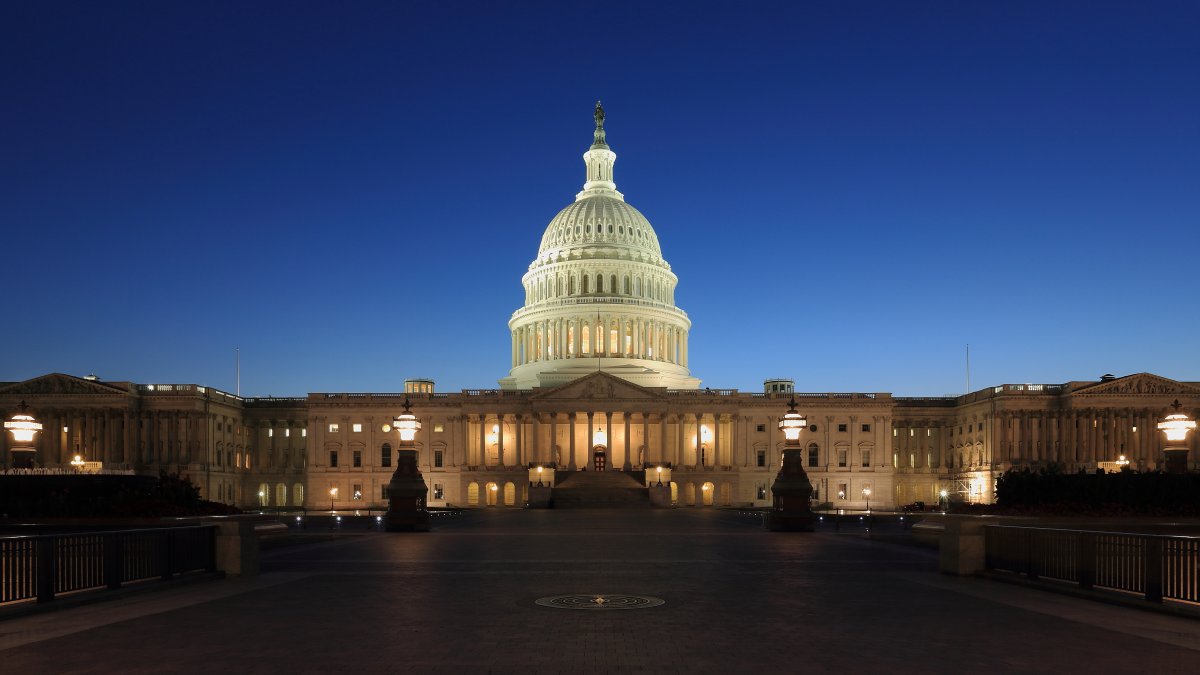
The three most valuable names in artificial intelligence are spending more in Washington than they ever have. Federal lobbying disclosures filed for the third quarter show Nvidia spent approximately $2.2 million between July and September, Anthropic about $2.1 million, and OpenAI about $1.5 million, each the highest quarterly total in the company's history, according to The Verge's analysis of the filings.
The Project On Government Oversight, which analyzed the newly filed disclosures, puts the three companies' combined Q3 outlay at $7.5 million, a 22 percent increase from the previous quarter and roughly 60 percent more than the same period a year earlier. OpenAI's trajectory is the steepest: the company did not exceed $500,000 in a single quarter until late 2024 and did not clear $1 million until 2026.
The disclosed agendas show where the money is aimed. Nvidia lobbied on 6G networks, responsible AI design, competition policy, quantum computing and export controls, the issue that determines whether it can sell advanced chips to overseas customers. Anthropic reported lobbying on AI provisions in the Kids Online Safety Act, export controls under the AI Overwatch Act, an executive order concerning the naming of advanced AI or superintelligence, and the Ratepayer Protection Act, a bill that would shift electricity costs from ratepayers toward data center developers. OpenAI's contacts ranged across Congress, the White House, the Commerce and State departments and the Small Business Administration, covering copyright, cybersecurity evaluations for frontier AI models, AI safety oversight frameworks and antitrust protections for information sharing among competitors.
Even at record levels, the newer AI firms remain well behind established tech. Microsoft has reported at least $2 million in quarterly lobbying since 2021, Google regularly exceeds $3 million per quarter, and Apple set its own record this quarter at $3.1 million, covering intellectual property, tariffs, child safety rules, competition policy and domestic semiconductor manufacturing.
What distinguishes this quarter is not the size of the spending but the specificity of the fights. Federal rules now taking shape could set AI safety requirements, redraw chip export restrictions, allocate copyright liability for training data, and decide who pays for the electricity that AI data centers consume. With midterm elections approaching, the disclosed lobbying is a leading indicator of which policy debates the industry expects to become binding.
The Ratepayer Protection Act is worth watching on its own. If data center developers, rather than households, end up covering the grid costs of AI expansion, the industry's cost structure changes; if the bill stalls, utilities and their customers absorb it. Either way, the fact that Anthropic is lobbying on it tells you the question is now live in Congress rather than theoretical.
Comments (0)
Log in to join the discussion
Log InNo comments yet