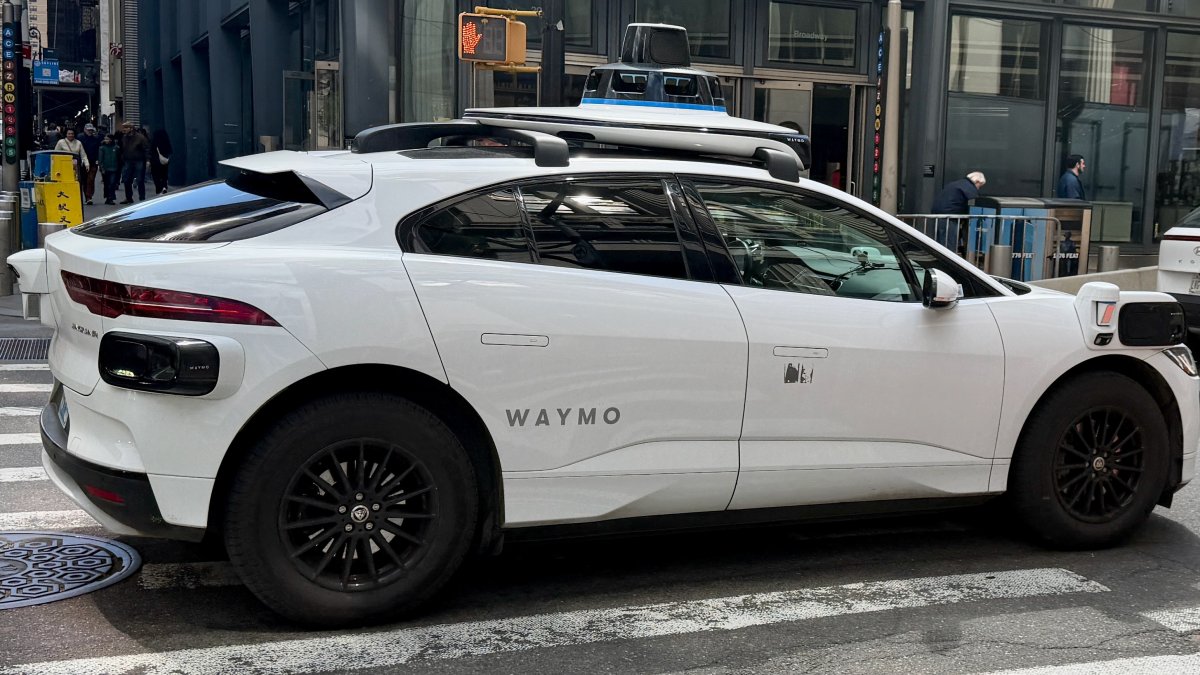
Waymo is about to find out what a robotaxi network looks like at 20,000 vehicles. People familiar with the plans told Semafor that the Alphabet unit intends to double its fleet from roughly 4,000 vehicles to 8,000 by the end of 2026, then reach 20,000 by the end of 2027, using a $5 billion private-credit loan drawn this month from lenders including PIMCO, Blackstone and Sixth Street.
The financing structure is as notable as the target. The loan is reported to be non-recourse and carries no Alphabet guarantee, which means lenders are underwriting the ride-hailing business itself rather than its parent. Waymo has also indicated that future lease securitization can unlock additional borrowing as the fleet grows - a structure borrowed from aviation finance rather than the venture playbook it used to raise $16 billion in equity earlier in 2026 at a $126 billion valuation.
Scale is the prerequisite for the economics Waymo is chasing. The service now operates in 15 US cities, with Denver, San Diego and Tampa added on September 1, and the company has announced plans for London, Tokyo, Singapore and Canada; Reuters previously reported a Toronto launch in 2028 in partnership with fleet manager Element. Thousands of Chinese-built Zeekr vehicles are on order to feed the ramp, and the sixth-generation Waymo Driver is designed to fit multiple platforms including the Zeekr RT and the Hyundai Ioniq 5.
The five-times target also reframes the competitive picture. Tesla is building out a small robotaxi operation in Texas, and Chinese operators are scaling in their home market, but no western rival currently runs a driverless service at even a fraction of the size Waymo is targeting. The binding constraint is no longer the technology demonstration; it is capital, manufacturing and city-by-city permitting - which is precisely why the company is raising debt against its future fleet instead of equity against its future promises.
There is risk in the arithmetic. A 20,000-vehicle fleet needs sustained revenue per vehicle well above depreciation plus the cost of the debt that bought it, and ride-hailing margins at that scale remain unproven anywhere. But if the plan holds, Waymo would move from a large pilot to something closer to a transit operator in about 15 months - and the willingness of private credit markets to fund it, at a moment when public investors are punishing AI infrastructure names, is itself a signal worth watching.
Comments (0)
Log in to join the discussion
Log InNo comments yet