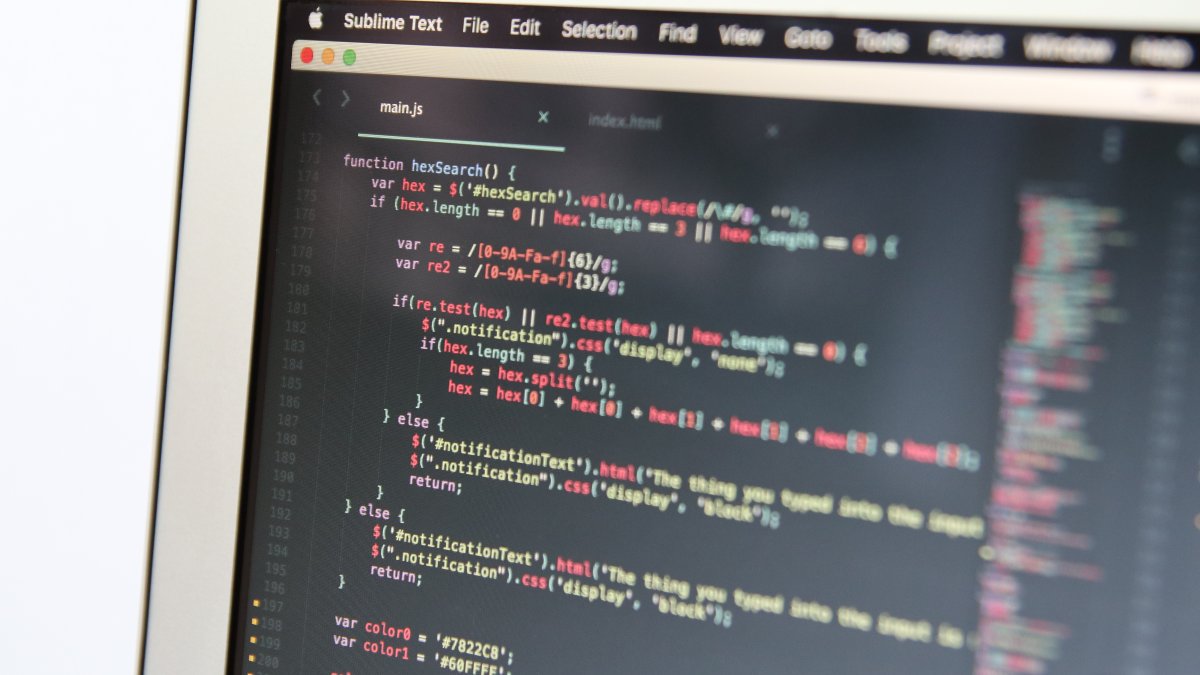
An engineering manager at Anthropic has stopped giving coding interviews to candidates for his team, on the grounds that the model his team builds is better at the test than the people sitting it. Felix Rieseberg, who according to his biography has led engineering for Claude.ai, Claude Code Desktop and Anthropic's Cowork tool, announced the change on October 27 in a post on X and an essay titled "Hunger beats tenure: Advice for junior engineers."
"There's no more point in giving you a little React challenge than there is in quizzing people about assembly; Claude is now better at both," Rieseberg wrote. He described small coding challenges as having been "a weak but useful predictor" of success on his teams, and said the engineers who have had the most impact succeed regardless of how they scored on them. On X he put it more bluntly: "The coding interview is dead, at least for my team at Anthropic."
What replaces it is a portfolio scan. Rieseberg said he has not yet worked out how to interview for people who build well with AI. For now he reads resumes and portfolios looking for small prototypes that demonstrate what he calls taste, empathy and principled thinking, and he advises junior engineers to build one over a weekend rather than wait for a product requirements document, cross-team approval or design support. His example is internal: Anthony Morris and Alice Zhao, two relatively new engineers, built a prototype graphical interface for Claude Code over a weekend, and the first public version shipped about eight days later.
The essay's argument is that execution has become cheap. "I'm seeing engineers who are comparatively new fly past people who are probably better coders and have been around much longer," he wrote. If impact depends less on accumulated knowledge of frameworks and libraries, then tenure stops being a proxy for output, and an outsider can see problems that longer-serving colleagues have learned to accept. "Hunger beats tenure," as he puts it.
The timing is awkward for the company making the argument. Anthropic published research on October 16 showing that junior candidates accounted for 27 percent of its technical hires in early 2025 and 9 percent by the time of the report, even as headcount grew. The company has also said Claude writes about 80 percent of its own code. Rieseberg's essay is, in effect, an argument that Anthropic should keep hiring the people its own data say it has stopped hiring, on the theory that what juniors lack in experience they can make up in initiative now that a model handles the typing.
It is also a personal decision rather than company policy. Anthropic's public careers guidance still tells technical candidates they may be assessed with live coding tools such as Colab and CodeSignal, and Rieseberg is one manager among many. The industry is moving in the same direction unevenly: Google is expanding pilots that let engineering candidates use Gemini during interviews, according to Business Insider, while Amazon this week told its engineers to stop optimizing for AI usage metrics.
The unresolved question is what a hiring process optimized for prototypes actually measures. A weekend build demonstrates initiative, product judgment and enough technical skill to ship something, which is closer to the job than reversing a binary tree. It also favors people with the free time, hardware and confidence to build unprompted, and it replaces a standardized signal with a manager's taste. Rieseberg concedes he does not have the interview design yet. For now the substitute for a coding test is a portfolio review, which is exactly as subjective as it sounds.
Comments (0)
Log in to join the discussion
Log InNo comments yet