For most of two decades Apple was the customer flash-memory makers could not say no to. It was the world's largest buyer of NAND, the chips that hold photos, music and apps on an iPhone, and it used that position to demand the lowest price in the industry, at times requiring suppliers to open their books so it could verify nobody else was getting a better deal. That arrangement is over, the Wall Street Journal reported on October 28, because AI data centers now want the same wafers and will pay more for them.
The numbers are stark. Research firm TechInsights estimates that demand from AI hyperscalers has pushed flash prices up about fivefold over the past year. Two years ago, Apple bought nearly twice as much NAND capacity as Microsoft, Amazon, Meta and Google combined; today those four companies buy roughly twice as much as Apple. TechInsights expects Apple to spend around $25 billion on NAND this year for approximately the volume that cost it about $6 billion in 2025, meaning the unit cost of the same purchase has risen more than fourfold in twelve months. Those are estimates, not audited figures, and Apple has not disclosed a NAND line item.
The long-run price curve makes the reversal sharper. NAND sold for roughly $68 per gigabyte in 2005, fell to about five cents by 2023, and has since climbed back above 30 cents, according to TechInsights figures cited by the Journal. Apple chief executive Tim Cook has described the steepness of memory pricing as a once-in-a-century flood.
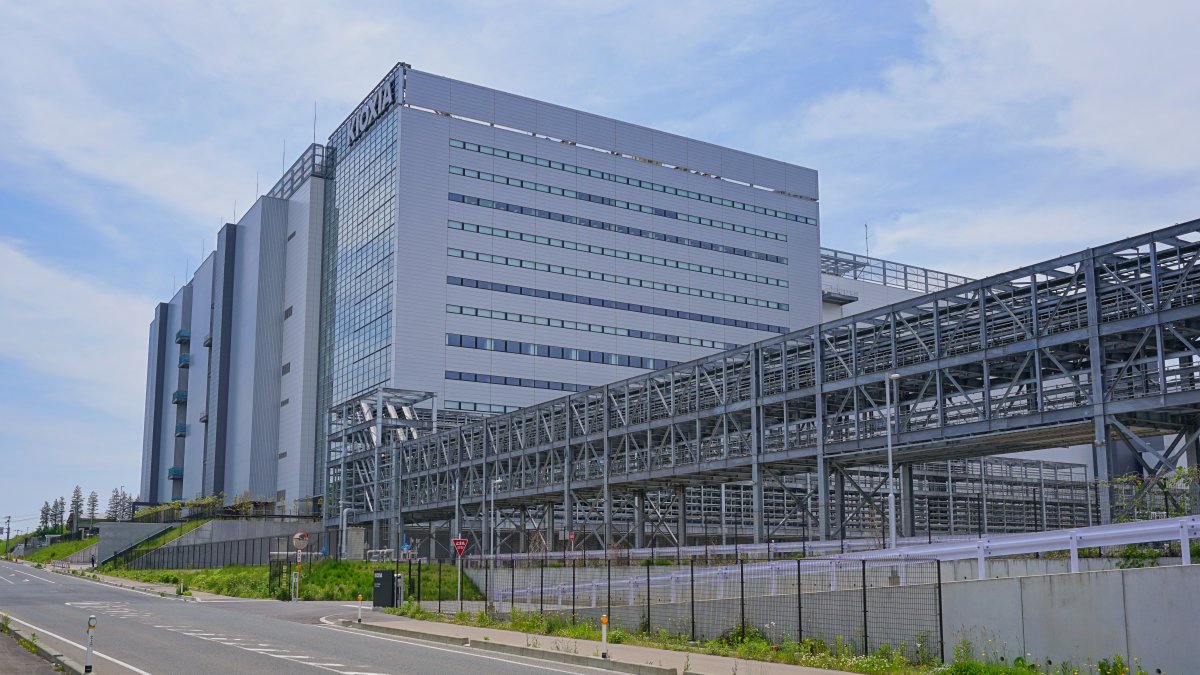
The leverage moved because the buyers changed shape. Meta, Microsoft and Amazon have signed contracts with Kioxia and other suppliers that commit to higher prices in exchange for guaranteed long-term supply, and the terms protect the manufacturer's margin even if the market turns. Flash is also a smaller share of a data center's cost than of an iPhone's bill of materials, and accounting rules let hyperscalers depreciate it over years rather than absorb it in one product cycle. Apple, which prices storage upgrades to consumers at a wide spread, has less room to pass the increase through.
The spread is where the story becomes visible to buyers. On an iPhone 17 Pro, doubling storage from 256GB to 512GB adds $200 to the sticker price, while the extra NAND behind that step cost Apple on the order of $15 at the time, according to the Journal's account. That gap is the same one suppliers resented for years, and it is now being repriced from the other end of the chain.
The Journal hangs the piece on Scott Nelson, a former Kioxia sales executive who spent years selling flash to Apple and, by his account, always felt he got the worst of the deal. During a ride in the Southern California desert he stopped his dirt bike, took out a rifle and shot his old iPod, the first Apple device to use flash memory. He kept the pieces, and they now sit on his desk as a monument to a bargaining position that no longer exists.
What this means reaches past Apple. Memory has become the tightest constraint in the AI build-out, and the pricing power has migrated to a handful of fabs in Japan, South Korea and China. For device makers the question is how much of the increase can be pushed to consumers before demand breaks; for suppliers it is whether the multi-year contracts holding today's prices up survive the next downcycle. The hyperscalers, for their part, have just demonstrated that they can outbid the consumer electronics industry for a component most people never think about, and that they are willing to sign away the option to renegotiate.
Comments (0)
Log in to join the discussion
Log InNo comments yet