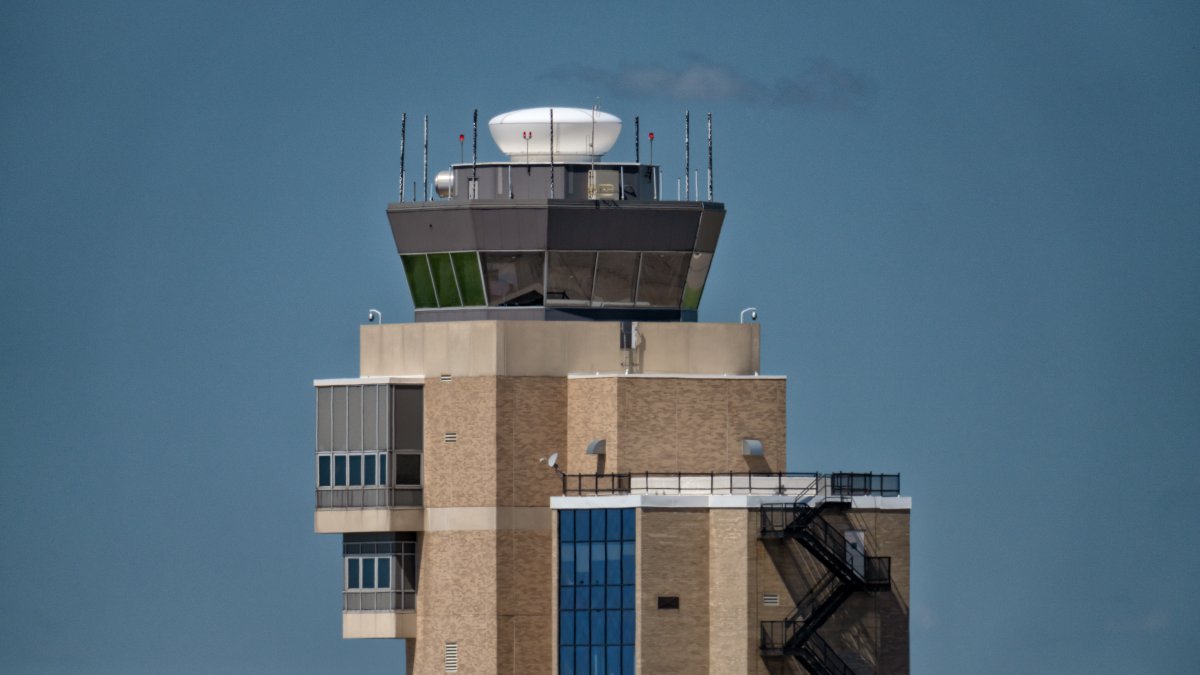
A nationwide FAA ground stop, a multi-day Microsoft Outlook outage and slowed bank transactions at JPMorgan Chase and other lenders have hit the United States within about a week, and the people who run the country's intelligence and infrastructure have a single message heading into Thanksgiving: get used to it. Officials say none of the failures shows signs of a coordinated or AI-driven cyberattack, but all of them trace back to the same underlying cause — aging systems being upgraded at record speed for the AI age.
The FAA said its ground stop, which froze departures nationwide for hours just over a week before one of the busiest travel weeks of the year, was caused by router upgrades that flooded the system with data, with no indication of a cyberattack. Microsoft attributed its Outlook failure to an issue during an earlier network capacity upgrade — the same explanation it gave earlier this month when the outage disrupted Outlook, Teams and Copilot across 74 countries and drew some 130,000 Downdetector reports at its peak. JPMorgan Chase disclosed a technical issue that slowed transactions on November 16.
On Sunday, Director of National Intelligence Jay Clayton told CNN's State of the Union that Americans should brace for more disruption as modernization accelerates. "The American people should be prepared for a great deal of investment in upgrading our systems," he said. "Any time there is a step change in technology, a step change in both compute and applications, there will be bumps in the road." Treasury Secretary Scott Bessent, on CBS's Face the Nation, was asked whether people should worry about the security of their financial institutions. "No, they shouldn't," he said — while conceding that the patches banks are deploying to guard against AI-era threats "may cause a glitch", and telling Americans to think of the discomfort "as a vaccine; your arm may hurt, you may feel a little bad the next day, but it increases your long-term immunity and resiliency."
Microsoft's president Brad Smith issued the starkest warning of all. "I think we have to be prepared, frankly, for the coming months, because this isn't the type of thing that just gets done in a couple of weeks," he told CBS. "The whole information infrastructure of the world is in effect being upgraded right now."
The AI angle runs deeper than rhetoric. Smith noted that AI has made it far easier to find flaws in code — knowledge that defenders can use to patch systems, and that bad actors can use to break into them. The past weeks have already brought a breach of the US Department of Agriculture's farm-payment systems, an apparent intrusion into the FBI's NCIC crime database, and attacks on European supermarket chains. Microsoft CEO Satya Nadella, meanwhile, has said he does not know when the industry's rush to patch AI-discovered bugs will end.
The warning lands in a market already on edge, after one of the worst weeks for US tech stocks in years put every hyperscaler's reliability under a microscope. The uncomfortable consensus from officials and executives alike is that the upgrade cycle AI is forcing on airlines, banks and cloud platforms will keep producing exactly the kind of failures nobody can schedule — and that the fixes, like the outages, are only beginning.
Comments (0)
Log in to join the discussion
Log InNo comments yet