The money flooding into robotics has reached a scale that is hard to ignore: roughly $48 billion raised year to date by robotics and physical AI companies, according to PitchBook data cited by the Financial Times. What is more telling is where an increasing share of that capital is being spent. Not on novel actuators or bigger models, but on an input the industry still lacks and cannot download: video of human beings doing ordinary work.
Unlike text and images, workaday manipulation footage has never existed on the open web. Nobody posted a clean, labeled recording of a warehouse worker gripping an irregular box or a nurse turning a patient. It has to be commissioned, filmed and annotated frame by frame, which makes it the closest thing physical AI has to a proprietary moat. The FT's framing is that the data gap, not the hardware or the model, is now the sector's binding constraint.
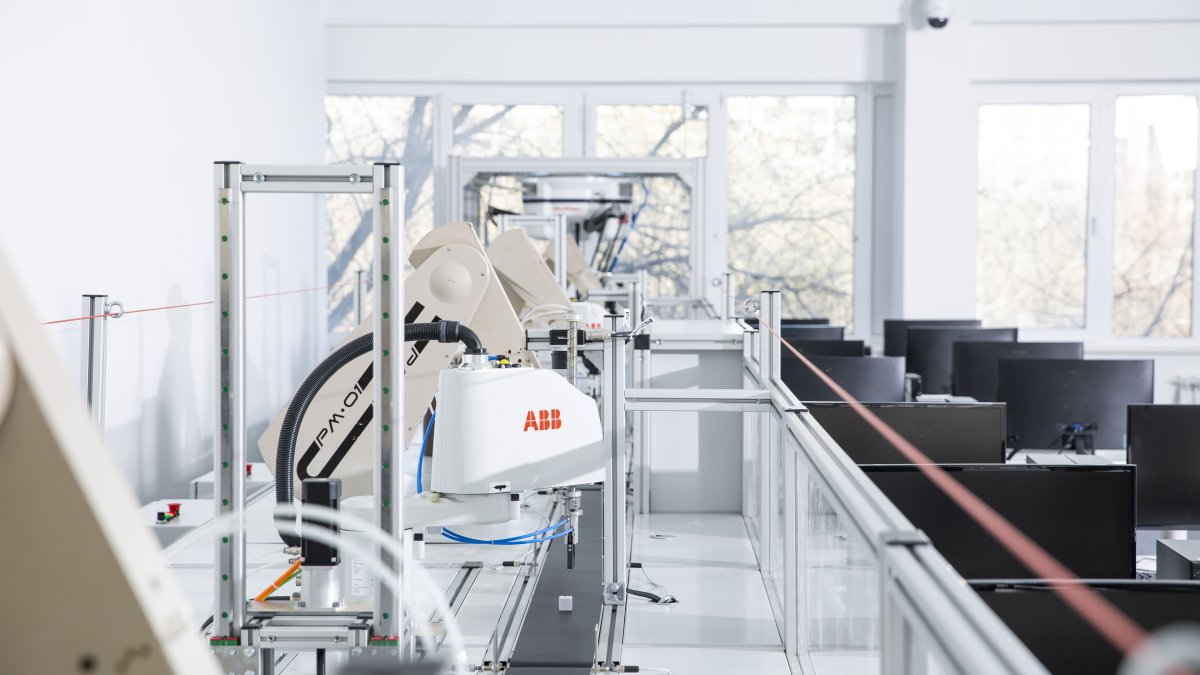
The labs named in the report, including Physical Intelligence, Skild AI, NEURA Robotics and Generalist, are mixing outside data vendors with internal data operations. Teams are running so-called robot gyms, facilities where workers use robotic arms to perform everyday tasks while cameras capture their movement, contact and force. Others are sending recording equipment into homes, offices and factories to film people doing the jobs robots will eventually have to do themselves.
NEURA Robotics has called high-quality real-world training data "Physical AI's scarcest resource," and is building a network of NEURA Gyms with partners including RWTH Aachen University and the Technical University of Munich, with five locations across Europe, the United States and China slated to be operational by the end of 2026. The pitch is that a lab with camera-in-the-workplace deals trains on reality, while a lab without them trains on scraped internet video that was never meant to teach a robot how hands work.
The funding total, a third-party estimate from PitchBook, extends a year-long buildout that has already produced some of the largest rounds in the sector's history, from Foundation-style generalist robot labs to warehouse automation specialists. Investors are effectively underwriting a new kind of data business, one that looks less like a scraping pipeline and more like a production company with industrial safety certification.
There is an obvious tension the industry has barely begun to navigate. The cheapest way to close the data gap is to put cameras where people work and live, which drags a consumer-surveillance apparatus into factories, offices and homes in the name of training data. The companies doing this argue the footage captures motion and force, not identities. Whether workers, homeowners and regulators accept that framing will shape how fast the $48 billion can be turned into robots that actually work outside the lab.
Comments (0)
Log in to join the discussion
Log InNo comments yet