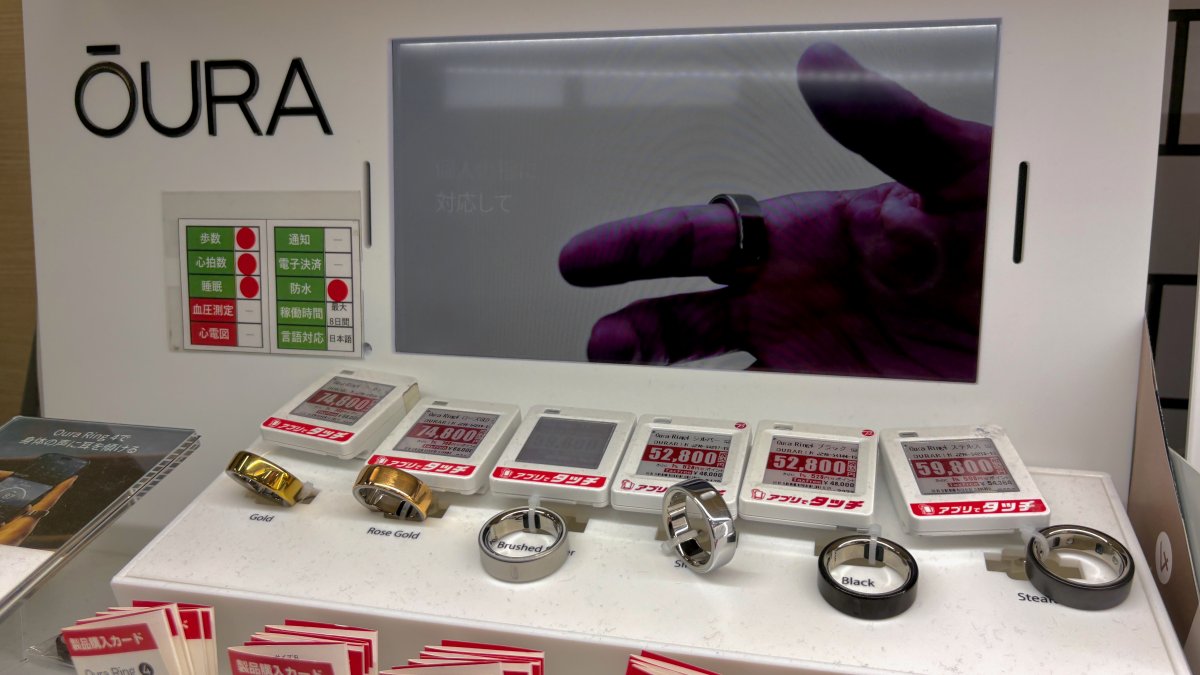
On paper, this should have been the week AI wearables arrived. Meta's Tamagotchi-like Muse Charm, unveiled at Meta Connect on September 23, shot to the top of Apple's App Store free apps chart. OpenAI began rolling out Dots, its personal agent, while continuing to work with Jony Ive on consumer hardware. Apple's Watch Series 12, shown September 9, ships with AI features that will listen to conversations. And Oura — the smart-ring maker with a devoted user base and, per its May IPO filing, strong demand — was expected to keep the momentum rolling with a public listing.
Instead, Oura postponed the IPO at the last minute on Tuesday, September 29, citing "uncertainty in the IPO market." Analysts are not buying the official line. "I really believe that there's something else that's causing them to pull out of the IPO, and I don't think it's the market," said Anshel Sag, principal analyst at Moor Insights & Strategy. "Them jumping out of this IPO is kind of weird." CNBC's sweeping analysis, published October 4, argues the stall reflects something bigger: a category that cannot shake its reputational problem.
That problem has a nickname. Camera-equipped smart glasses — Meta's Ray-Ban line chief among them — have been dubbed "pervert glasses" on social media, a reference to their discreet cameras and the harassment they enable. The anecdotes are specific and accumulating: a 24-year-old graduate student who noticed a date's glasses blinking and demanded he delete the recordings, and who says she was scared to date openly afterward; a Facebook Marketplace buyer who recorded a seller and her children without consent; a Meta ad campaign featuring Kylie Jenner filming strangers that drew accusations of surveillance chic. DA Davidson analyst Gil Luria, who gifted the glasses to his twin teenage sons last year, is blunt: "It's done for at this moment... We're going to have to revisit this 10 years from now." His sons, he says, now "wouldn't be caught dead in them."
The backlash has institutional teeth. Smart glasses have been banned from gyms; during Mark Zuckerberg's testimony in the Meta social-media addiction trial in February, the Los Angeles judge threatened anyone wearing Meta Ray-Bans in court with contempt. The unease extends to the wider surveillance economy — Flock Safety's license-plate cameras have been vandalized and cities have canceled contracts — and it collides with an election cycle in which data centers have already become the visual symbol of AI overreach. Meta, for its part, quietly added a camera-free Ray-Ban Audio model last month, an acknowledgment that the camera itself is the problem.
Hardware reality is not helping. The category's previous stars flamed out publicly: Humane's $700 AI Pin was discontinued last year after brutal reviews, and Rabbit's r1 struggled to justify existing alongside the smartphone. Analyst Avi Greengart of Techsponential puts the bar simply: a device that overheats, is unreadable in sunlight, and dies by lunch had better be magical. Health wearables — rings, hearing-aid AirPods, sleep tracking — remain the bright spot precisely because they promise utility without a camera pointed at other people.
The economics still point up: Meta, Apple, Google and OpenAI have all decided the body is the next computing surface, and no single IPO delay changes that. But Oura's retreat, a top-of-App-Store charm that people buy and then worry about, and an analyst willing to say a marquee category is "done for" all describe the same gap — between what AI wearables can do and what people will tolerate being done to them. Until the industry closes that gap, the breakout moment stays postponed, right along with the IPO.
Comments (0)
Log in to join the discussion
Log InNo comments yet