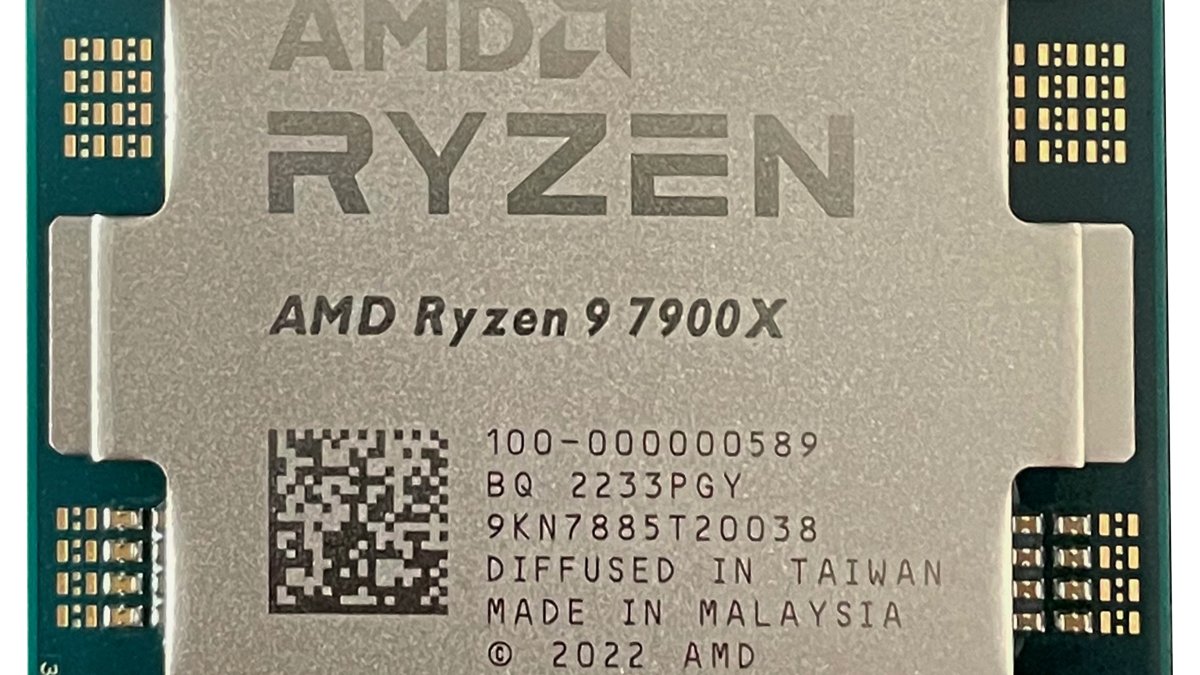
Intel has taken back most of the desktop CPU ground it lost over the past two years. According to Mercury Research data for the third quarter of 2026, Intel accounted for 70.1 percent of x86 desktop processor shipments, up about 5.1 percentage points from 65.1 percent in the second quarter. AMD fell from 34.9 percent to 29.9 percent, dropping below 30 percent for the first time since early 2025, when it sat near 28 percent.
Year over year the swing is similar in size: Intel held 66.4 percent of desktop shipments in the third quarter of 2025 against AMD's 33.6 percent. Including IoT and embedded SoCs, Intel's total x86 share reached 66.1 percent, up 0.2 points sequentially, while AMD stood at 33.9 percent.
The catch is that Intel gained share in a market that shrank. Jon Peddie Research estimates 60.8 million client CPUs shipped in the quarter, down 3.4 percent sequentially and 6.5 percent year over year, and the two companies' own filings point the same way: Intel's client CPU shipments fell 14 percent year over year while AMD's rose 6 percent. A larger slice of a smaller pie is a defensible quarter but not a demand recovery.
Servers tell the opposite story, and it is the one that matters for AI budgets. AMD's server share rose to 35.5 percent from 34.5 percent, up 7.7 points from a year earlier, while Intel fell to 64.5 percent from 65.5 percent sequentially and 72.2 percent a year ago. That is a slow, steady transfer of the highest-margin socket in the industry, moving in the same direction for eight consecutive quarters.
Mercury Research says it cannot pin the desktop shift on any single cause. Its preferred explanation is supply allocation: soft notebook demand freed Intel manufacturing capacity for desktop parts just as that segment entered its usual third-quarter seasonal peak, while AMD could not fully serve the same window. AMD has acknowledged that demand exceeds its shipping capability, and chief executive Lisa Su has described the company as data center first. AMD's gaming segment revenue fell 40 percent in the quarter, a function of both the pivot and constrained graphics card supply.
The financials underline the split. AMD reported third-quarter revenue of $13.4 billion, up 45 percent year over year, against Intel's $16.5 billion, up 21 percent. AMD is now the faster-growing company with the smaller top line, and almost all of its growth is coming from server and AI accelerators rather than the consumer desktop parts where it just lost five points of share.
Two caveats are worth keeping in view. Mercury measures shipments into the channel, not retail sell-through or user preference, so a share number can move on inventory timing alone. And Intel's own chief financial officer, David Zinsner, has said the PC slowdown should persist at least through the first half of next year, which suggests the desktop recovery is a share story rather than a market story.
The next data point is the fourth quarter, when holiday demand and component availability, memory in particular, could move the numbers again. The strategic read is unlikely to change: Intel is defending the consumer socket it can still win, and AMD is trading that socket for data center share, where the AI buildout pays far more per unit.
Comments (0)
Log in to join the discussion
Log InNo comments yet