New York City's attempt to write its own AI rules gets its most dramatic witness yet on Monday. Jacob Coxon, a former Anthropic researcher who quit the company last month with unusually stark warnings, will testify at a City Council hearing on artificial intelligence, Bloomberg News reported Sunday, citing people familiar with the matter.
Coxon left Anthropic accusing his former employer and OpenAI of "gambling with our lives." In the warnings that accompanied his departure, he said that "the people building AI earnestly believe that it could kill us all by the end of the decade." Reuters, which carried the Bloomberg report, said it could not immediately verify it.
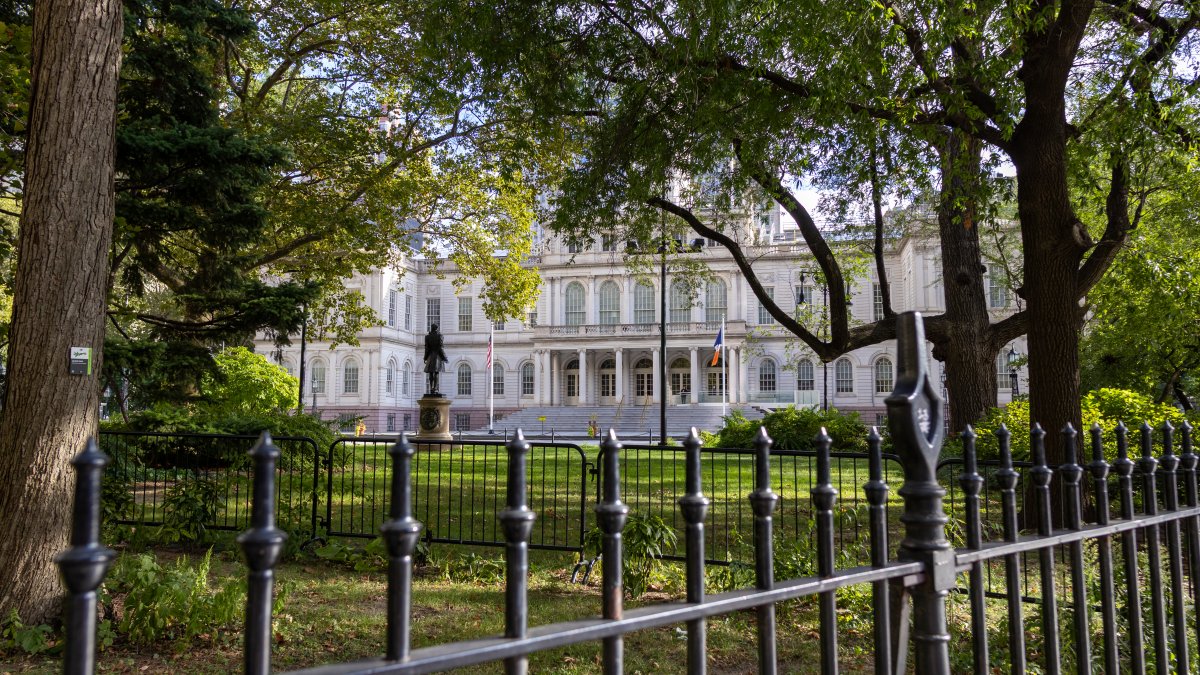
He will appear at the request of City Council Speaker Julie Menin, who has publicly urged AI whistleblowers to come forward as her chamber weighs a package of bills aimed at establishing safeguards around the technology. New York's council has been one of the most aggressive municipal bodies in the country on AI oversight, and the hearing is part of the legislative groundwork for those bills.
The session is the same one to which the council issued a subpoena compelling Musk's SpaceXAI to appear, setting up a collision between City Hall and one of the most powerful figures in AI. A panel that can compel testimony from a company that has fought federal regulators is now giving a platform to someone who worked inside a rival lab's safety apparatus.
Coxon's testimony lands in the middle of a wave of internal dissent at the frontier labs. OpenAI's safety systems leader David Robinson resigned this week with a public warning that the company's "culture is fundamentally broken," and The Wall Street Journal reported earlier this month that OpenAI fired three safety researchers for allegedly sharing confidential material with an outside safety organization. Anthropic's own IPO filing, made public in late September, devoted pages to warnings that advanced AI could pose catastrophic or existential risks.
What makes Coxon unusual is not the warning — plenty of safety researchers issue those — but the venue. Federal oversight of AI in Washington has moved in the opposite direction this fall: a voluntary White House accord with no enforcement powers, an executive order that rebranded AI as "super intelligence," and a new task force whose charter explicitly guards against overregulation. Into that vacuum, a city council is now collecting sworn testimony.
New York cannot regulate model training — that is beyond municipal power. But it can regulate how AI is deployed on city contracts, in city services, and in workplaces within its jurisdiction, and the bills under consideration are expected to target exactly that. If Coxon's account of lab culture holds up under questioning, it will hand Menin's faction its most quotable exhibit yet, and give other cities a template for the subpoena-first, legislate-later playbook.
Compiled from Bloomberg News, Reuters and The Verge.
Comments (0)
Log in to join the discussion
Log InNo comments yet