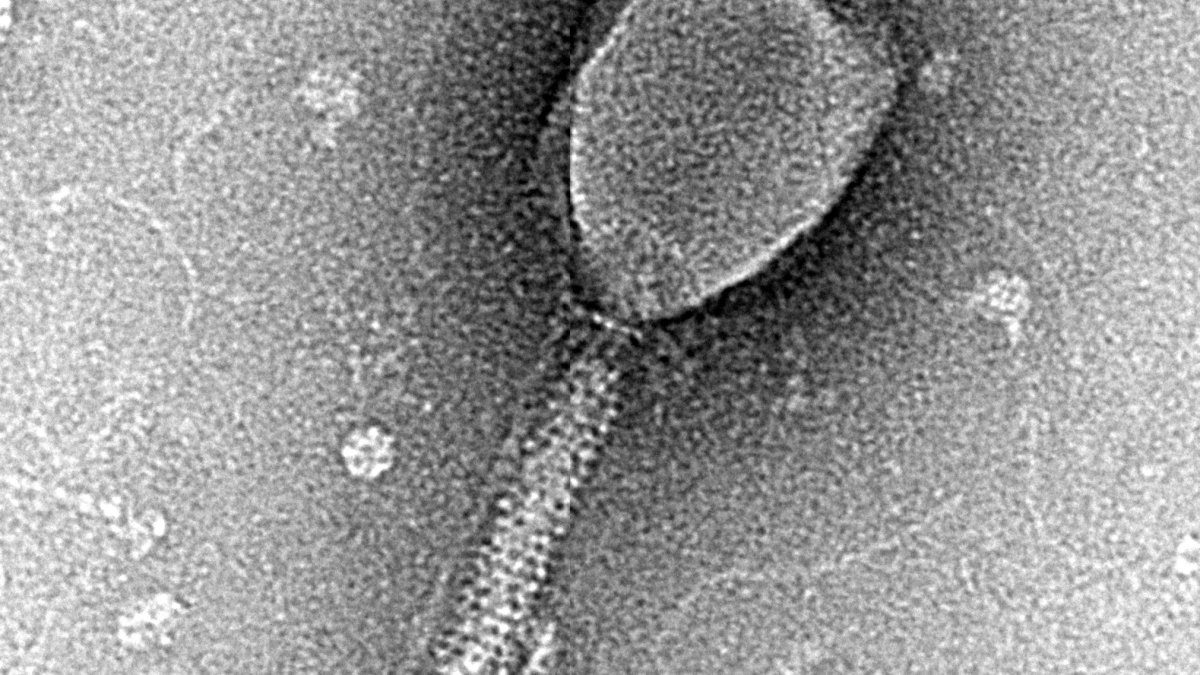
Radical Numerics, an AI research lab founded by the team behind the Evo and Evo 2 genome models, launched Omnii-1, a biological foundation model it describes as the largest multimodal genome language model ever built. Alongside the launch, the company disclosed a medical first: a bacteriophage designed with Omnii was administered to a human patient fighting a drug-resistant bacterial infection.
Omnii-1 applies the same architecture ideas behind large language models, but trains on biological data instead of text. The company says it developed a method to convert 28 types of biological data, including DNA, RNA, proteins and epigenetic signals, into a common representation the model can learn from. That claim of scale and multimodality is company-reported and has not been independently benchmarked yet.
The phage case shows the model being used to design rather than read biology. Instead of screening thousands of naturally occurring viruses to find one that kills a specific infection, which can take months and often fails, researchers used Omnii to design phages targeting the resistant strain within weeks. A cocktail containing an AI-designed phage killed the bacterial isolate in laboratory testing and was then given to a patient under a physician-managed compassionate use pathway. Physicians at The Ottawa Hospital involved in the case said the shift from searching to designing changes the fundamental economics of phage therapy.
At launch the company is demonstrating Omnii across eight applications, including personalized cancer vaccine design, identifying genetic causes of rare diseases, and detecting emerging biological threats. The Evo lineage carries weight here: models from the same team produced the first bacteriophage genomes created entirely by AI, research first reported in August 2026.
Radical Numerics is also developing Omnii for biodefense, a dual-use dimension the company addresses head-on. In testing, the model identified AI-generated pathogen sequences that conventional screening tools missed, analyzing sequencing data as it arrives and returning results within minutes. The company is collaborating with Lawrence Livermore National Laboratory, and its biodefense advisors include Andrew Weber, a former assistant secretary of defense for nuclear, chemical and biological defense programs, retired Major General Paul Friedrichs, former director of the White House pandemic preparedness office, and former NNSA administrator Jill Hruby.
The stakes are considerable. Drug-resistant infections were linked to an estimated 4.95 million deaths worldwide in 2019, including 1.27 million directly attributable to antimicrobial resistance, and phage therapy has long been constrained by the blind search for a matching virus. A general model that can design phages on demand would change that, but it also sharpens questions about oversight of AI systems that can write biological systems. Omnii-1 moving from lab to patient, even under compassionate use, marks the point where generative biology stopped being a research demo. Expect regulators and biosecurity agencies to start asking harder questions than the market does.
Comments (0)
Log in to join the discussion
Log InNo comments yet