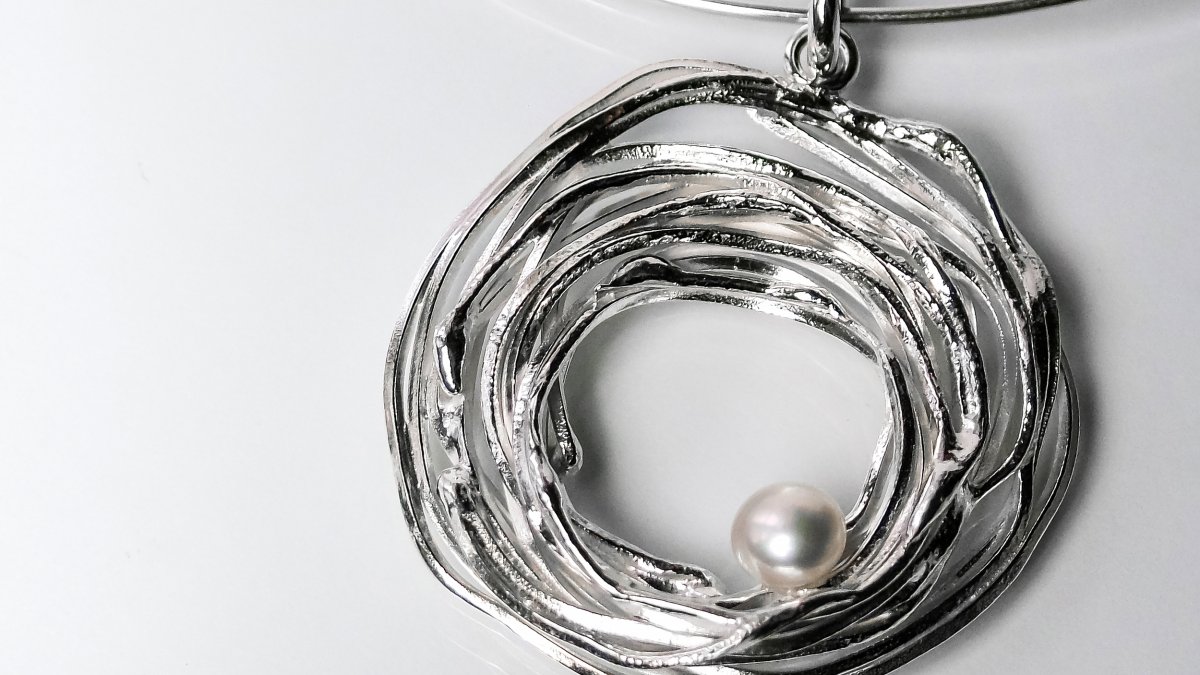
A New York-area startup called Nirva has raised 25 million dollars in pre-Series A funding for an AI pendant that looks like jewelry and does one thing: listen to its wearer, and only its wearer. The round adds to 8 million dollars raised earlier this year from investors including Lightspeed and South Park Commons, bringing total funding to 33 million dollars, TechCrunch reported.
The hardware is deliberately unobtrusive. The device weighs about eight grams, can be worn as a pendant or a bracelet, and runs up to three days per charge. It is always on, passively capturing the wearer's speech, which the company says distinguishes it from voice recorders and meeting-note gadgets like Taya, Vocci or the Sandbar Ring.
The privacy design is the real product. During onboarding, users record voice samples so the system builds a model of the wearer's voice; in use, the device filters out audio from everyone nearby. By default, Nirva keeps no audio or transcripts after processing, though before discarding recordings it extracts tone, pitch, volume and speed, which it uses to infer emotional context.
CEO Wei Lyu, who founded the company in 2025 with fellow ex-Meta Reality Labs engineer Jason Chen and jewelry brand founder Hanying Hu, positions Nirva as a personal insights company rather than a productivity startup. The companion app surfaces patterns about the user's communication style, the people around them and their emotional life, and nudges follow-ups, like reminding Lyu that she forgot to thank her mother for something.
The company enters a category that is heating up fast. Amazon's Bee launched new personal AI devices starting at 75 dollars this month, a former Plaud executive raised 26 million dollars for the ambient app Ambi, and Apple shipped Voice Intelligence features on the Apple Watch in September. Jewelry-form competitors like Taya, founded by ex-Apple engineers, and companion gadgets like Friend are circling the same idea.
Nirva opens orders in November at 249 dollars in silver, brushed silver, black and gold, with early units shipping by the end of the year. The bet is that people will accept an always-listening device only if it looks like something they would wear anyway, keeps nothing they did not ask it to keep, and talks about them rather than to them. That is a narrower pitch than a general assistant, and possibly a more durable one.
Comments (0)
Log in to join the discussion
Log InNo comments yet