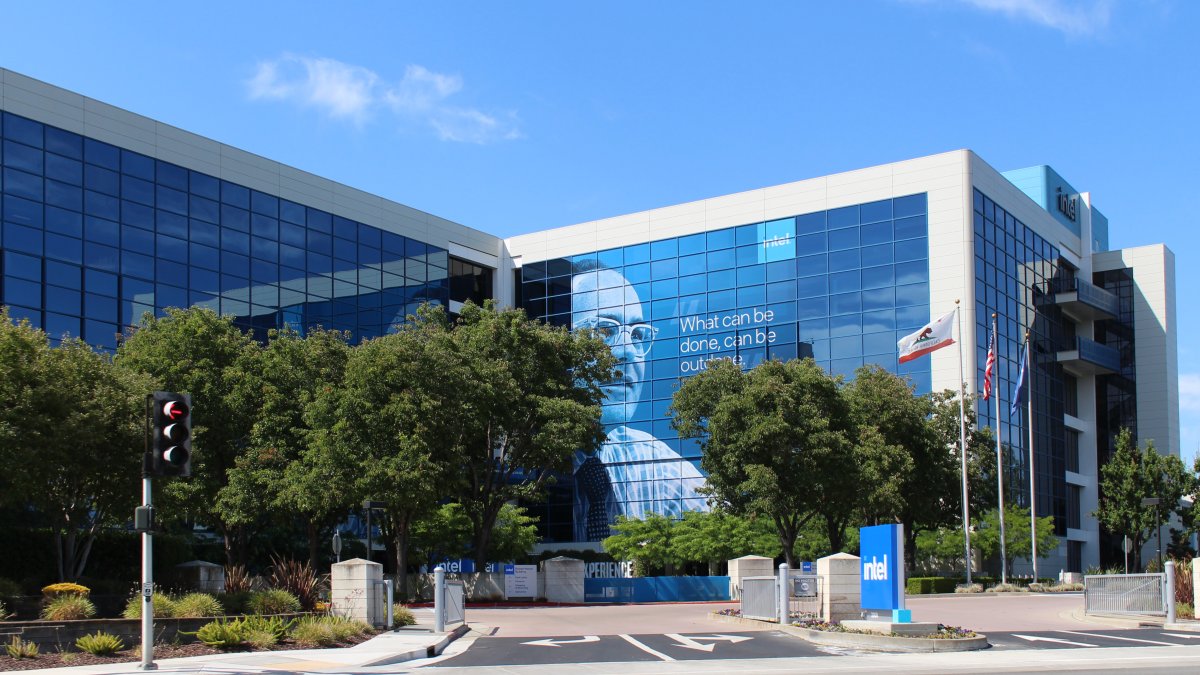
Intel just lived through one of the ugliest sessions in its history. The stock closed down 28.58% on Friday, its worst trading day since the 1970s according to CNBC, after the chipmaker guided fourth-quarter revenue to $15-16 billion against a consensus near $17 billion. The plunge erased roughly $12 billion from the value of the US government's 10% stake, acquired a little over a year ago.
The guidance was bleak on every line. Intel told investors gross margin would fall to 37% from 43%, and that because of the scale of its investment program it expects no positive cash flow. For a company trying to fund new fabs while defending its core PC franchise, the combination of shrinking revenue and deepening spending left little for bulls to hold onto.
The core problem is memory, or rather the AI industry's appetite for it. CEO Lip-Bu Tan told analysts: "Our customers began signaling a PC slowdown based on the memory prices and availability. Year-to-date system endpoint prices have increased significantly, placing additional pressure on already limited IT budgets." In other words, the same memory shortage that has been a windfall for NAND and DRAM makers is now visibly taxing PC demand, and Intel still sells most of its CPUs into PCs.
The irony is that the crash hit two of Intel's most famous shareholders. The US government bought its 10% stake in 2025 as part of a push to secure domestic chipmaking, and NVIDIA took a large stake the same year; both saw the value of those holdings drop on Friday, though both remain in the green — the stock is still up more than 70% for the year, even after retreating far from its summer highs.
There was one bright spot. Data center revenue grew 78% year over year, evidence that Intel's server business is recovering. But that growth is capped by manufacturing capacity: one new fab in Arizona is operational, the next is not expected online until 2028, and Intel still needs to win external customers away from TSMC to make its foundry strategy pay.
The sell-off pulled much of the chip sector down with it, and it sharpened a question hanging over the AI build-out: who pays when the infrastructure boom collides with the rest of the market? For now the answer, at least in part, is the PC industry — and the companies, like Intel, that depend on it. Whether the memory squeeze eases or tightens before Intel reports again will do more for the stock than any single earnings beat.
Comments (0)
Log in to join the discussion
Log InNo comments yet