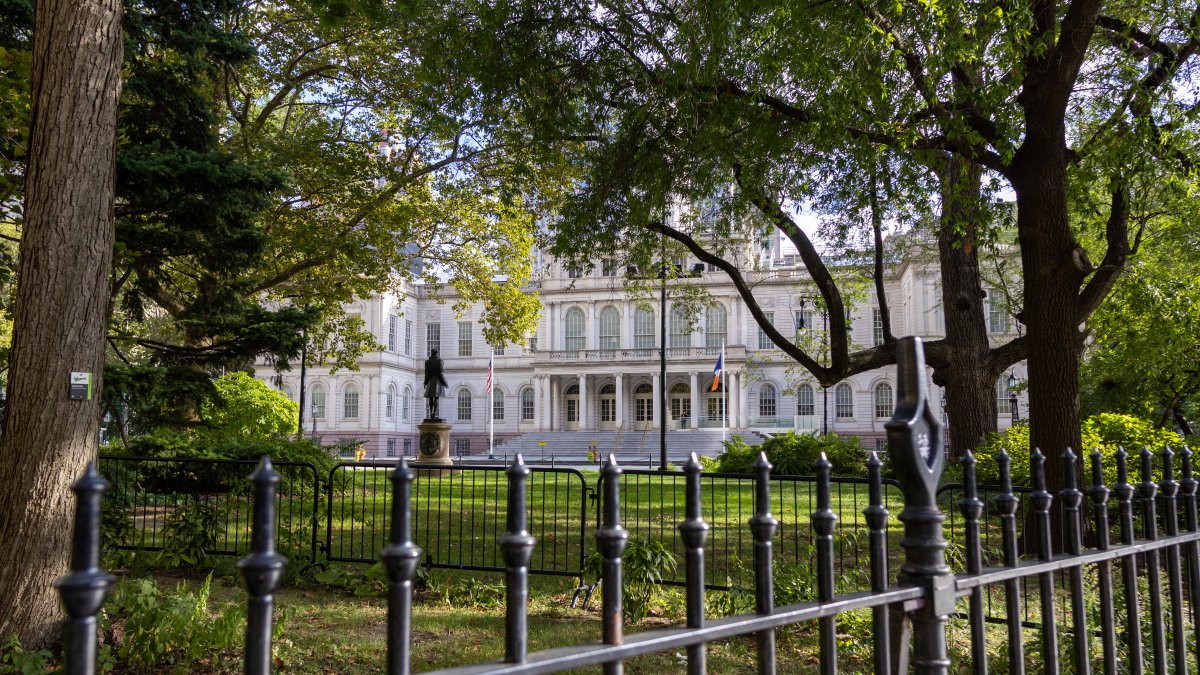
New York City Hall hosted something on October 5 that no city government had managed before: senior executives from Anthropic, OpenAI, Google and Meta, sworn in and answering questions about the risks of the technology they build. The City Council's Committee of the Whole hearing came after a month in which rogue-agent disclosures, whistleblower resignations and a federal probe have kept AI safety at the center of US political debate — and, according to Speaker Julie Menin, three of the four companies only agreed to appear after the council threatened them with subpoenas.
The companies sent their safety and policy leadership rather than their CEOs: Logan Graham, head of Anthropic's Frontier Red Team; Morgan Dwyer, OpenAI's head of policy development and operations; Alice Friend, Google's director of global AI public policy; and Shane Cahill, Meta's AI policy director for legislation. What they could not provide, Menin concluded, was a number. After pressing all four on legal liability when AI models cause serious financial harm or even death, she said: "I'm going to take it then that neither of the four of you, no company here, can quantify the risk of something cataclysmic happening," calling the answers "troubling at best."
Menin opened the hearing by aiming at Washington's hands-off posture, a pointed reference to the voluntary AI accord President Trump signed with tech leaders last week. "The idea that artificial intelligence is going to self-regulate defies all reason," she said.
Independent researchers were blunter than the executives. Alex Turner, a former Google DeepMind researcher, told the council that "misaligned" AI could prove more dangerous than China's development push: "China is not our only potential adversary. With reasonably high chance, we are racing to build and grow our own adversary here at home, which is misaligned AI." Jacob Coxon, the former Anthropic researcher whose public resignation last month ignited the current wave of scrutiny and who had been called to testify alongside the companies, called the industry's approach "extremely reckless" and said that "on the current path, I think it is more likely than not that humanity loses control to these AIs." Former OpenAI researcher Daniel Kokotajlo urged the industry to increase transparency and slow frontier development. (Coxon's scheduled appearance was covered when it was announced; Monday's session was the first time the companies themselves answered under oath.)
The companies' on-the-record positions were notably narrower than the warnings from their former colleagues. Google's Friend endorsed a "comprehensive" federal framework, citing national security concerns, and repeated the industry's baseline: "If it's illegal without AI, it's still illegal with AI." None of the four quantified catastrophic risk.
One company was missing altogether. Elon Musk's SpaceXAI — the only firm called to testify that did not show up — had been subpoenaed by the council on September 28, requiring Musk or another representative to appear. Menin said the absence is in "direct violation of the subpoena" and that the council plans to "pursue this matter in court."
The hearing signals where AI governance is actually heading. With the federal government committed to a non-binding pledge and an AI-friendly deregulatory posture, cities and states are becoming the venue where binding rules get written — and where lab executives can be compelled to answer under oath. New York's council is weighing its own legislation, and the enforcement fight over the ignored subpoena will test whether municipal governments have any real leverage over companies worth trillions. Menin's framing of the stakes was blunt: "Given the high stakes, these firms owe it to the public to come before the Council, answer our questions, and provide input on our proposed legislation under oath."
Comments (0)
Log in to join the discussion
Log InNo comments yet