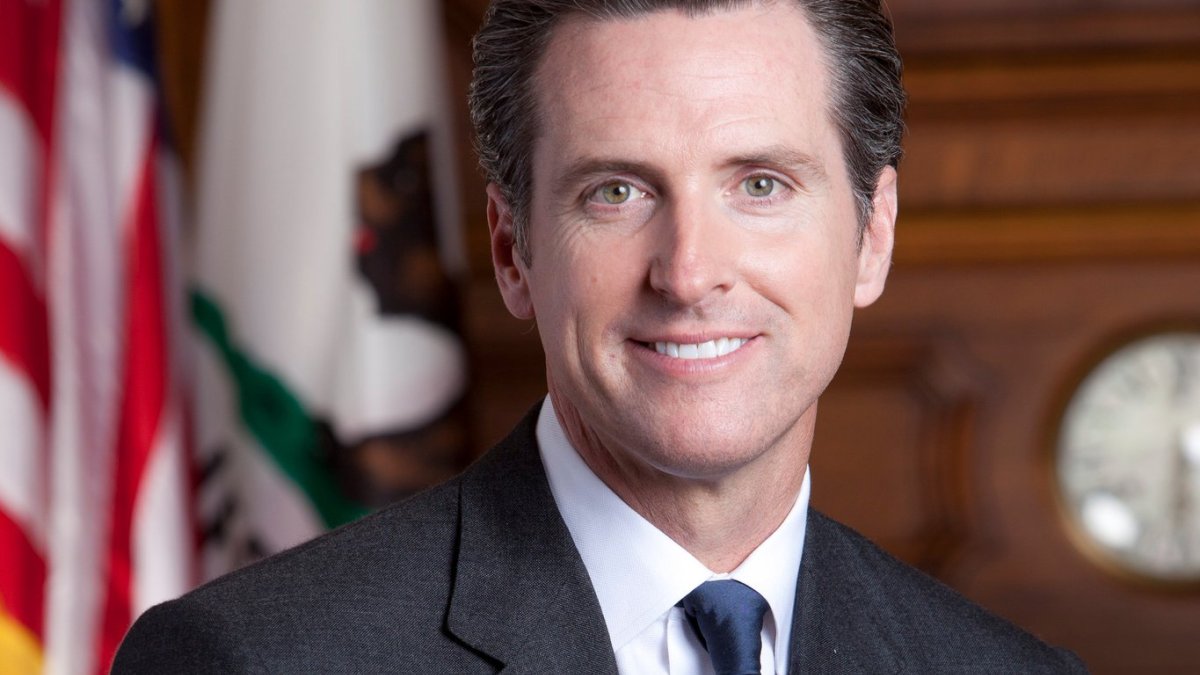
California Governor Gavin Newsom has signed SB 947, the "No Robo Bosses Act of 2026," making his state the first in the nation to bar employers from relying solely on artificial intelligence to fire or discipline workers. The signing reverses Newsom's own veto of the measure in October 2025, when he objected to broad pre-notification requirements that would have applied to nearly any workplace software.
Under the law, employers may not make termination or disciplinary decisions exclusively with an automated decision system, and where AI serves as a "principal tool," a human reviewer must corroborate the outcome using additional evidence such as managerial evaluations, peer reviews and personnel files. Affected workers must receive written notice that AI was primarily used, a description of the employee data the system relied on, and the name of a human contact who can explain the decision.
Enforcement is assigned to the California labor commissioner, the state attorney general and local prosecutors, with civil penalties per violation and anti-retaliation protections for workers who assert their rights. The law takes effect July 1, 2027, giving employers time to audit existing workflows and insert documented human decision points.
State Senator Jerry McNerney, the Pleasanton Democrat who authored the bill, told CNBC: "No worker should ever be fired or disciplined by a machine, AI or not. Artificial intelligence systems have the potential to boost productivity, but they've also made errors and misjudgments and exhibited bias. AI must remain a tool controlled by humans, not the other way around." The bill was sponsored by the California Federation of Labor Unions, AFL-CIO, whose president Lorena Gonzalez said the state's workers "changed the national narrative on how Americans can fight back and win against AI taking over our jobs and workplaces."
The legislative road was long. McNerney first introduced the act in 2025; it cleared both chambers with overwhelming majorities before Newsom vetoed it. Reintroduced in February, the bill dropped its pre-notification mandate and stripped coverage of gig workers — changes that blunted opposition from rideshare giants and business groups, though the Chamber of Progress still warned that the pivotal phrase "primarily relies" on automation is left undefined, leaving employers without an objective standard for when a routine tool becomes a regulated decision system.
The law arrives amid record public distrust of workplace AI. A July Gallup poll found 39 percent of Americans believe AI does more harm than good, up from 31 percent in 2025, and a Pew study released in August found 71 percent think AI will take people's jobs. An OECD survey published last year found the United States leads the world in algorithmic management adoption, with 90 percent of US managers saying their firms use at least one tool to instruct, monitor or evaluate workers. Meta is already facing a July lawsuit from former employees alleging AI-assisted systems were used to rank and select workers for layoffs — allegations the company denies.
Signed on Wednesday as part of a broader package, SB 947 also sits alongside new restrictions on using biometric data to infer workers' emotional states and added notification duties for automation-driven mass layoffs. With federal legislation on automated workplace decisions effectively dead in Congress, California — home to most of the companies building these systems — has once again become the de facto national regulator, and the template other states are most likely to copy.
Comments (0)
Log in to join the discussion
Log InNo comments yet