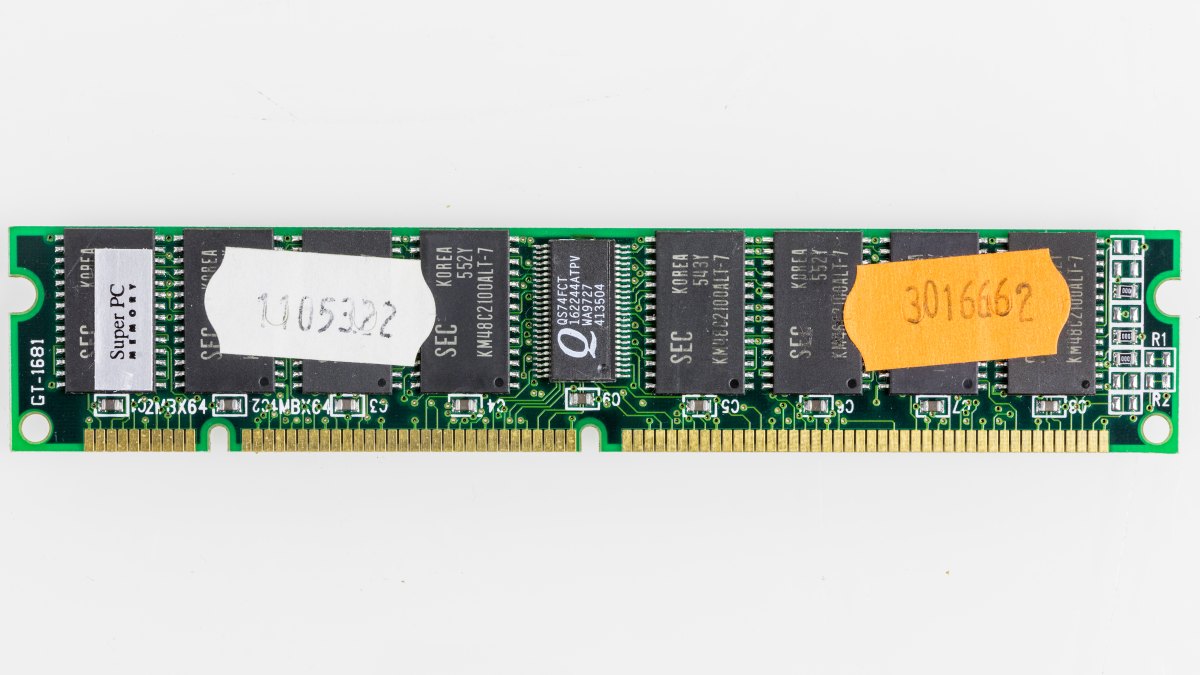
Apple is reportedly preparing to sign away its favorite negotiating habit. According to Korea's Maeil Business Newspaper, picked up by MacRumors, TrendForce and iClarified, Apple and Samsung Electronics are in final coordination on a long-term DRAM supply agreement running four to five years from the first half of 2027, covering the memory inside iPhones, iPads and Macs. The structure is unusual for Apple: a guaranteed minimum supply volume, with pricing left floating and set later against market conditions. Neither company has confirmed the deal.
The reported terms are a reversal of a decades-long playbook. Apple has historically favored short contracts and pressed for price cuts at every renewal, using its enormous order book as leverage. Maeil notes Apple was the last big technology company without a Samsung LTA, and says Apple has already closed a similar long-term agreement with SK hynix on terms described as favorable to the memory maker. When the buyer famous for squeezing suppliers signs up for five years at floating prices, it is buying certainty, not savings.
The reason is that AI data centers are eating the memory supply. Memory makers have been shifting advanced capacity toward high-margin server products and HBM, which tightens what is left for the mobile and PC DRAM Apple buys. Apple's own fiscal 2026 annual filing warns that supply-and-demand imbalances are constraining memory and storage supply and raising costs, and says it expects the pressure to continue. Apple reportedly paid roughly double its prior DRAM price in a February 2026 arrangement, and Maeil says recent LTAs across the industry embed relatively high minimum pricing floors.
The market data explains the urgency. TrendForce forecasts conventional DRAM contract prices rising 10 to 15 percent quarter over quarter in Q4 2026, and PC DRAM up 13 to 18 percent, even as global notebook shipments fell 15.8 percent sequentially in Q3. Prices are climbing against falling consumer demand because capacity is going elsewhere. When the problem is securing allocation at all, a place in line matters more than the unit price.
For consumers the deal changes little this year and a lot later. Long-term supply commitments should make iPhone and Mac availability steadier through the holiday cycles, but they do not shield buyers from rising memory costs, and memory configuration upgrades are exactly where Apple charges extra. If component costs stay high, expect RAM and storage step-ups on Macs and iPads to be the first line items to move.
There may be more to come. Maeil and other Korean reports say Apple's shift could extend to NAND flash, where Apple has reportedly already signed a long-term agreement and Kioxia has been named as a potential participant, also without confirmation. Samsung and SK hynix get a hedge out of it too: Apple's orders are tied to phones and PCs, not AI infrastructure, so a multi-year consumer commitment diversifies their revenue if data-center spending ever cools.
The broader signal is that memory inflation is becoming structural into 2027 rather than a spot-market spike. LTAs with minimum volumes and floating prices, first adopted by hyperscalers buying HBM, are now spreading to the biggest consumer-electronics buyer in the world. AI demand is no longer just raising chip prices; it is rewriting how the entire electronics supply chain contracts.
Comments (0)
Log in to join the discussion
Log InNo comments yet