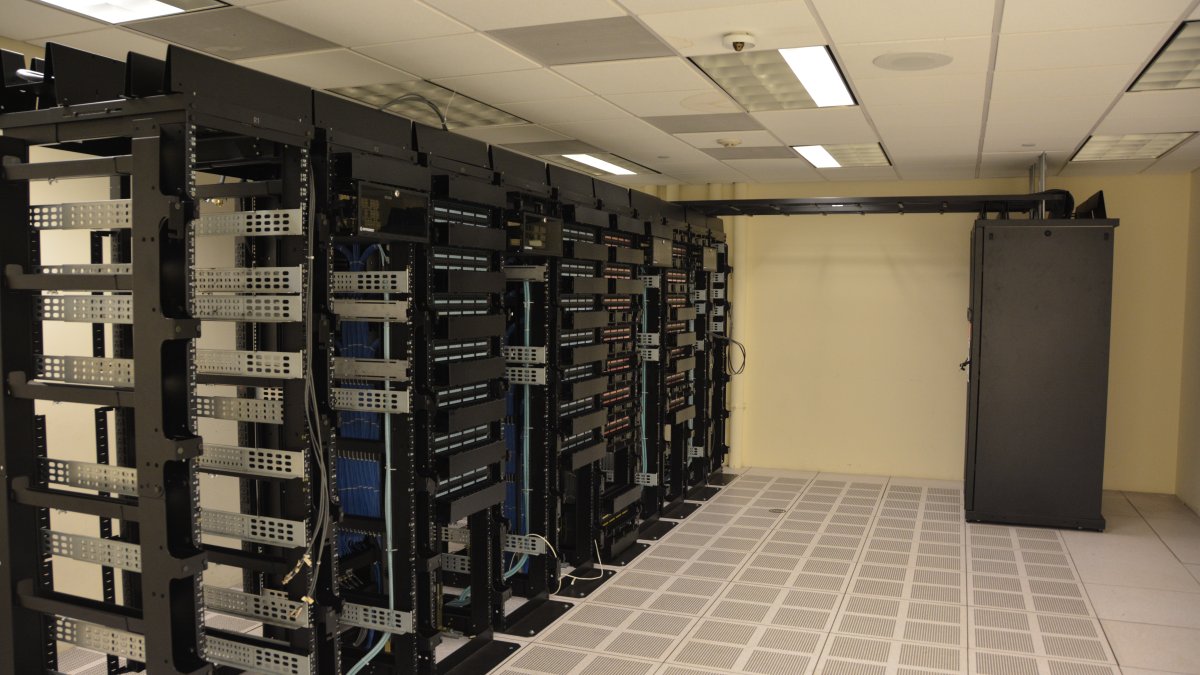
OpenAI is preparing a coordinated policy and public-relations campaign for the period after Tuesday's US midterm elections, according to an Axios report, and one of its ideas is linguistic: stop calling them data centers and start calling them "AI compute campuses."
The rebrand proposal came from Chris Lehane, OpenAI's chief global affairs officer, in a forward-looking memo of sorts about how the company plans to shape the AI debate. Lehane told Axios that the midterms will be "a bit of a movie trailer for what you're going to see in 2028," when he expects AI to be the defining issue of the presidential campaign.
The pitch has several planks beyond naming. Lehane discussed developing AI "speed limits," an idea that echoes the frontier-pacing framework Anthropic's CEO laid out in September; helping people experience AI as empowering in daily life rather than threatening; and pushing the United States to take a leading role in setting global AI standards. The company also wants to reframe the infrastructure argument, presenting campuses as community assets rather than environmental liabilities.
The context is a data center buildout that has become genuinely unpopular in the places where it happens. Construction fights have grown loud enough that Amazon and Microsoft both said in October they would no longer use non-disclosure agreements in negotiations with local governments, a reversal driven by community backlash. Polling and local election contests have increasingly turned on data center siting, power and water use.
Notably, Lehane did not dismiss the scrutiny. He called the conversation around data centers "good and healthy," adding that "communities should hold companies responsible and accountable so they really and truly get a transformative benefit from these projects." That is a softer posture than the industry typically takes toward local opposition, and it suggests OpenAI has concluded that accommodation polls better than confrontation.
Whether a new name changes anything is the obvious question. The underlying conflicts are about electricity, water, noise, tax deals and land, and none of them dissolve under a friendlier label. But the naming fight is not trivial either: the terms a debate uses shape which arguments get heard, and "campus" borrows the benign vocabulary of universities and corporate headquarters rather than the industrial vocabulary of power plants.
The deeper signal is strategic. OpenAI is now spending as much effort on the politics of compute as on the engineering of it, and it expects the 2028 election to be fought partly over AI. A company that once treated policy as a defensive function is organizing a standing campaign apparatus around it, complete with message discipline and a vocabulary. The buildings will look the same. The argument about them is about to get much more professional.
Comments (0)
Log in to join the discussion
Log InNo comments yet