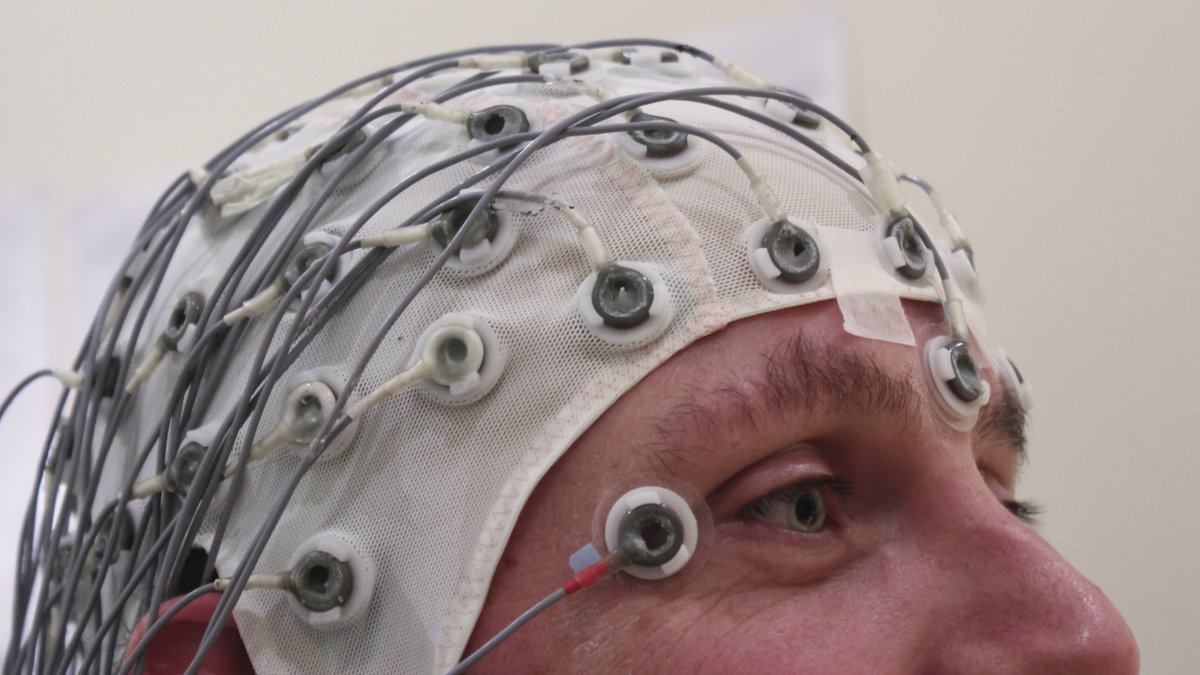
NeuroXess, a Shanghai-based developer of brain-computer interfaces, has raised RMB 700 million, or roughly $105 million, in a Series B round co-led by SDIC Juli, Shenzhen Capital Group and Qinzhi Capital, according to TechNode. The figure makes it one of the larger disclosed financings in China's neural-interface sector, and it lands at a moment when the field's centre of gravity is shifting from laboratory demonstrations to the slower, less photogenic work of clinical evidence.
The company works on three application lines: restoring movement for patients with paralysis, decoding speech from neural signals, and using brain signals to control external devices. Those three map onto the same patient population — people who have lost motor function or the ability to speak after spinal cord injury, stroke or degenerative disease — but they carry very different engineering burdens. Movement restoration needs stable decoding of intended motion over months. Speech decoding needs far higher bandwidth and a language model sitting on top of the signal. Device control needs the whole chain to run with low enough latency that the user does not experience it as a delay.
The investor mix is worth noting. Two of the three leads are state-linked or regional venture vehicles, which in China's deep-tech market usually signals a project that has been matched to a local industrial policy as much as to a return calculation. Neuromodulation and neural interfaces have been promoted as a future industry in national and municipal planning documents, and Shanghai in particular has been assembling the hospital, chip and device supply chain that a BCI company needs within a short drive of its office.
The technical competition is global. Neuralink has pushed high-channel-count implants into human trials in the United States. Synchron has taken the less invasive route through the blood vessels. China's academic groups have published a series of impressive single-patient demonstrations over the past two years, from cursor control to Mandarin speech decoding, and the gap between a published demonstration and an approved product is exactly where money like this round is meant to be spent.
That gap is regulatory and clinical, not just electrical. A device that stays in a patient's skull for years has to demonstrate durability of the electrode array, stability of the decoded signal as scar tissue forms, and a safety record that satisfies a regulator whose reviewers have very few comparable products to benchmark against. Each of those requires multi-year follow-up and a cohort large enough to be statistically meaningful, which is precisely the kind of spending a venture round funds and a research grant does not.
There is also a reimbursement question that the industry tends to defer. A BCI that restores communication for a locked-in patient has obvious clinical value; whether a hospital system or insurer pays for it, and at what price, determines whether the addressable market is tens of thousands of patients or millions. Companies that get to that conversation first with real outcomes data will have a substantial advantage over those that arrive with better electrode specs.
NeuroXess has not published the round on its own channels and did not disclose clinical-stage details, patient numbers or revenue in the reporting reviewed here, so the financing should be treated as reported by TechNode rather than confirmed by the company. What the round does confirm is that Chinese capital is willing to fund this category through its expensive middle phase — the years between a working demo and a reimbursable device.
Comments (0)
Log in to join the discussion
Log InNo comments yet