Chris Thomas is the kind of customer every AI hardware company wants. The 43-year-old Pittsburgh business owner wears Meta's camera glasses, a Fieldy note-taking pendant and an Amazon Bee wristband, and uses them to remember meetings, pay bills on time and set reminders. "I'm forgetful AF," he told CNBC. Not everyone around him is a fan: when a stranger at a bar noticed the glasses this week, Thomas said, "he was like, 'I don't feel comfortable' - I take it off completely because people don't really believe it's off."
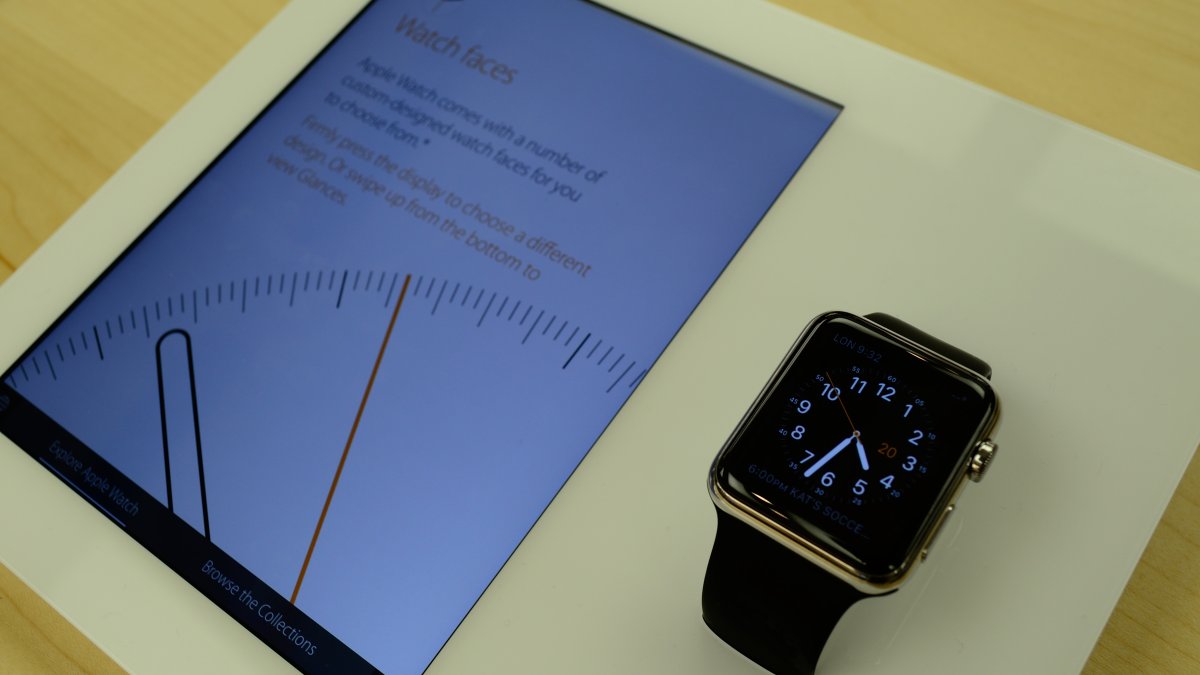
The hardware wave is no longer niche. Apple Watch Series 12, unveiled in September, will ship with Siri Recap, a feature that "ambiently" takes notes throughout the day and generates summaries of conversations, plus Live Rewind, which can recap the last 15 seconds of a conversation as a text transcript. Amazon launched the Bee Frontier wristband and the Bee Eclipse phone-card last Thursday, both built to record, transcribe and analyze a user's day. Meta's glasses capture photos, video and voice notes, and startups including Plaud, Pocket and Friend sell card-sized recorders and AI necklaces built around the same idea.
What separates this generation from the smart speakers that triggered earlier privacy lawsuits is that the new devices often do not keep the audio at all. Apple says Siri Recap stores no recordings, sends nothing to its servers and involves no human review; Amazon says Bee conversations are processed in a secure environment "where no one, including Amazon, can access your data." The devices listen continuously, interpret speech, and throw away the raw sound. That is precisely the part wiretap statutes were never written for.
Many state laws turn on whether a private communication was intercepted or its contents acquired - not on whether an audio file exists. Colin Zick, a privacy attorney at Foley Hoag, notes that Massachusetts defines an intercepting device as equipment capable of "transmitting, receiving, amplifying, or recording" a communication, with "contents" including its substance and meaning. A system that continuously receives speech and produces a written summary, he argues, could fall inside that language without ever saving a file. Daniel Pi, a law professor at the University of New Hampshire Franklin Pierce, goes further: his state's statute covers the "aural or other acquisition" of a conversation's contents, and he believes the Watch's new audio-intelligence features would qualify as an interception.
The awkward consequence is that liability may sit with the wearer, not the vendor. "A non-wearer did not buy the watch, agree to Apple's terms, or choose to have their conversation summarized in the app," Zick said. Pi adds that a New Hampshire user who enables the feature during a private conversation without everyone's consent could technically face civil or even criminal exposure, though he considers actual prosecutions unlikely where nobody was harmed. The deliberate opt-in also changes the analysis from the old accidental-activation cases: this time the user chose to acquire the conversation.
The bystander problem reaches beyond courtrooms. Michael Stokes, a former CIA officer who helped develop the concept of ubiquitous technical surveillance and now works at Veilant, says the real shift is that people can be swept into AI-powered data collection without owning or knowingly interacting with any device - and that AI has collapsed the cost of turning ambient signals into usable intelligence about identities, locations and associations. A small counter-industry is already forming: startup Deveillance sells the Spectre I, a puck that scans for nearby devices and emits adversarial signals to scramble speech before microphones can process it.
For now the industry's defense - no audio stored, nothing uploaded, no human review - answers the questions regulators asked in 2015, not the ones these statutes actually pose. Expect the next round to be fought over consent flows: explicit signals when a wearer enters a private conversation, and standardized ways for bystanders to refuse. The devices will keep shipping either way; the law will just take longer to decide who is holding the tape recorder.
Comments (0)
Log in to join the discussion
Log InNo comments yet