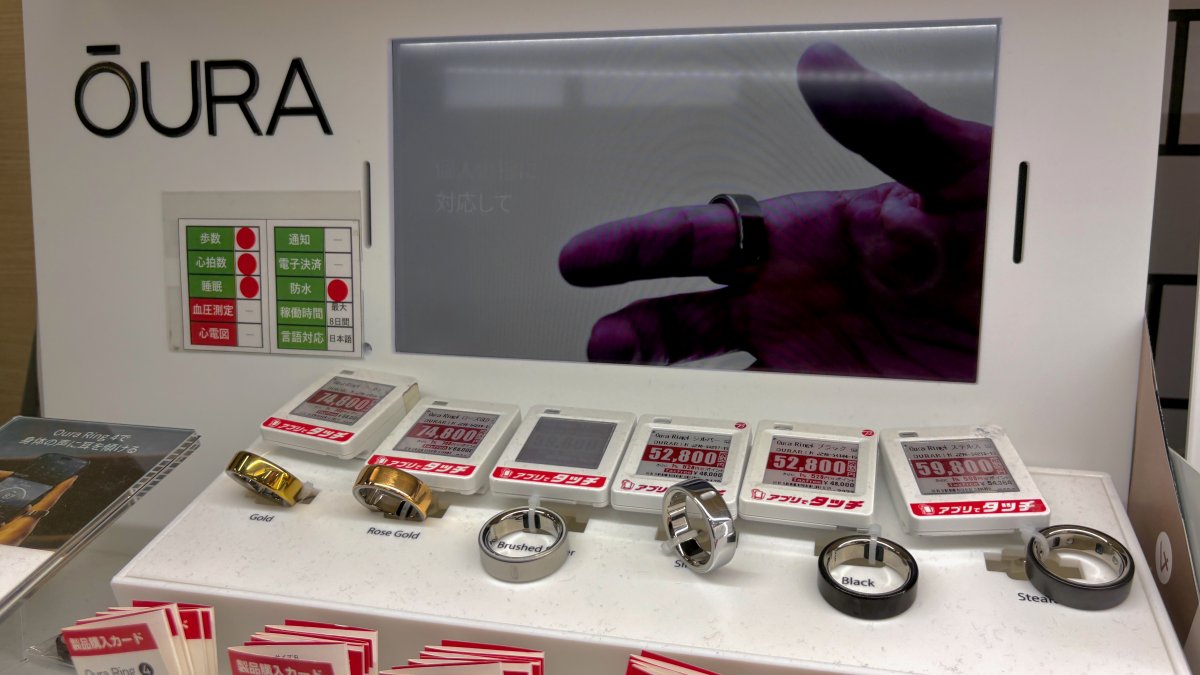
Oura, the Finnish maker of the popular smart ring, said Tuesday it will acquire Counsel Health, an AI-native primary care startup, for $625 million. The deal lands just weeks after the company indefinitely postponed an initial public offering of up to $2.2 billion, citing uncertainty in the IPO market, and it signals where Oura sees its next act: turning a hardware company into a health care platform.
Counsel Health combines a chat-style medical AI with licensed physicians. Users describe symptoms or ask clinical questions, the AI responds with guidance, and real doctors step in when needed. The service has been integrated into the Oura app since June, so the acquisition formalizes a relationship that was already live for members.
The two companies plan to build on that foundation across preventive care, acute care, and specialty and chronic care. Counsel CEO Muthu Alagappan will join Oura as chief clinical AI officer, bringing roughly 70 employees with him. Alagappan said the clinical AI was built around trust, safety and accountability, with doctors kept in the loop on clinical decisions, and that Oura's biometric data gives clinicians objective context for care.
The price is striking against Counsel's fundraising history. The startup raised a $25 million Series A about a year ago led by Andreessen Horowitz and GV, and PitchBook data puts its total funding at roughly $36 million. Oura is paying close to eighteen times that amount for a team, a clinical model and an integration point inside its own app.
Oura paired the announcement with unusually strong financials for a wearables company. Revenue for the fiscal fourth quarter, which ended September 30, grew 153% year over year to $533 million. For all of fiscal 2026, the company reported revenue of approximately $1.75 billion, up 92%. Those figures are company-reported and not independently audited, but they explain why Oura can fund a nine-figure acquisition without tapping public markets.
The strategic logic is defensive as much as visionary. Oura has dominated the smart ring category for years, but rivals like RingConn and Ultrahuman are gaining ground with cheaper hardware and aggressive health features. A ring alone is a data collector; a ring plus a doctor is a service people pay for monthly. The acquisition is expected to close by the end of 2027, and Counsel will keep serving its existing enterprise partners while the combined offering expands beyond Oura's membership base.
The deal also fits a broader pattern: AI-native clinical startups are becoming acquisition targets for consumer health platforms that hold the data but lack the care delivery layer. If Oura can convert its ring data into paid consultations, prescriptions and referrals, it will have built the kind of recurring revenue that hardware vendors usually struggle to reach — and it will have done so while remaining private, on its own timetable.
Comments (0)
Log in to join the discussion
Log InNo comments yet