Voice AI startup Sesame has shipped a substantial update to its assistant — and the headline feature isn't the voice. Each AI character can now get its own computer, use tools and manage other agents on the user's behalf, turning what began as a charming conversational demo into something closer to a general-purpose agent platform.
The new voice model, which the company says makes its characters more expressive, is rolling out in the iOS and Android apps now. But the deeper changes sit underneath: the assistant can operate a computer, generate images, and connect to user-supplied MCP servers and apps, with early links to Google services such as Gmail, Calendar and Drive. Sesame also introduced a feature called Sesame Link that lets users keep coding agents like Claude Code, Devin or Codex running from a phone.
It is a notable shift in positioning. Sesame built its reputation on voice quality — the uncanny naturalness of its Maya and Miles characters made it one of the most-discussed demos of recent years — under a stated ambition of building "the most human interface for intelligence." That phrasing always implied hardware, and the software updates now read like groundwork for it: a voice-first agent that can actually do things on a computer is a much stronger reason to wear a device than a chatbot in your ear.
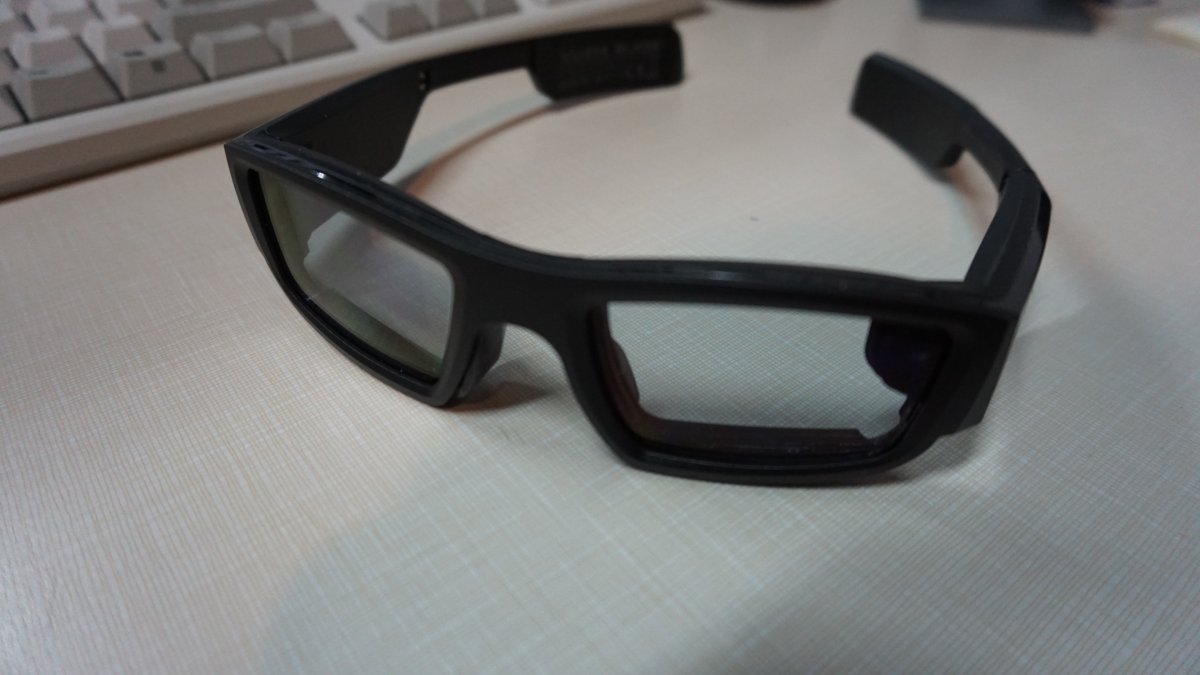
The hardware roadmap was confirmed in the same announcement, organized around three pillars: frames you love to wear, intelligence you want to use, and characters you like to talk to. The glasses, described as "a voice OS on your face," are slated for 2027, with frames handmade in Japan. The voice assistant itself is available to everyone today, and investor David Cahn has also flagged the glasses launch timing as next year.
Sesame is entering a crowded lane. Meta has spent two years pushing AI glasses into the mainstream, OpenAI is reported to be developing consumer hardware with Jony Ive's design studio, and Chinese vendors including Alibaba showed off smart glasses at WAIC. Sesame's differentiation bet is the character layer — an assistant people actually want to talk to — combined with agent capability that most glasses-first products still lack.
The open question is execution. An assistant with its own computer, tool access and MCP connectors is powerful, and in the wrong configuration it is a risk surface; Sesame has not yet detailed how it gates agentic actions. Shipping handmade glasses at scale in 2027 is a hardware problem that has humbled better-funded teams. But if voice is the interface and agents are the workload, Sesame's sequencing — voice first, computer use second, glasses last — is at least a coherent path toward the product everyone else is still describing in keynotes.
Comments (0)
Log in to join the discussion
Log InNo comments yet