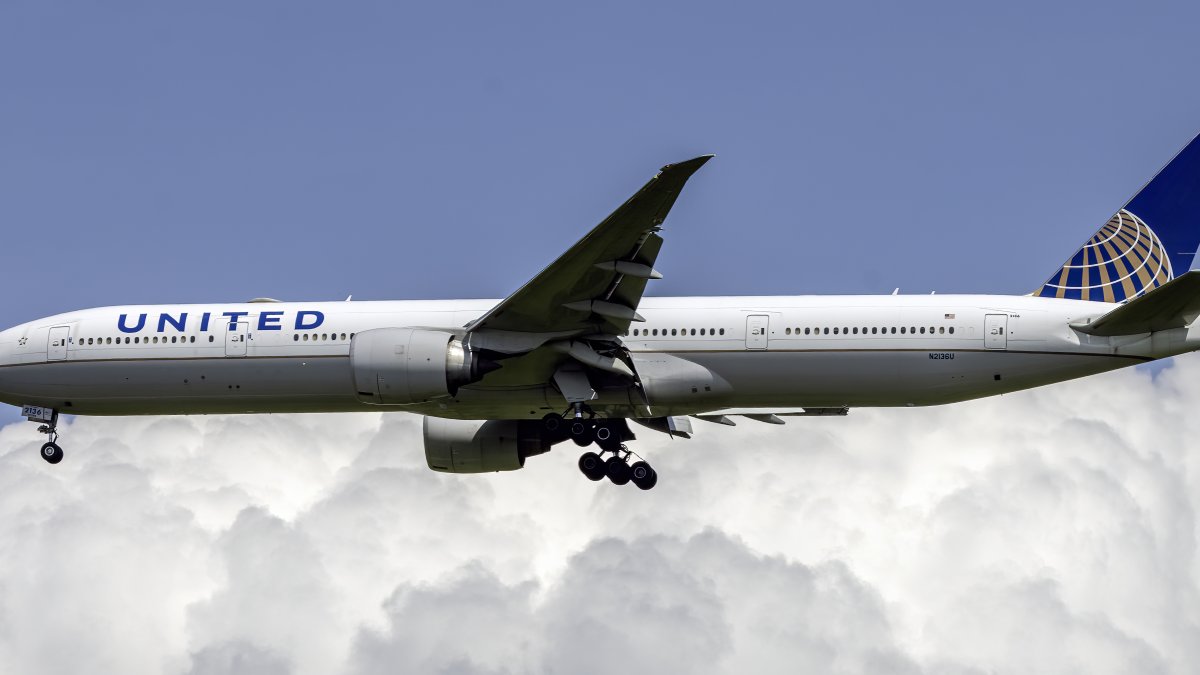
United Airlines said Wednesday it is restricting unauthorized third-party personal AI agents from operating on its digital platforms, including indirect access through travel agencies and aggregators, in a policy update covering booking, ticketing and distribution. The move lands ahead of the holiday travel season and makes United the first major US carrier to publicly wall off AI assistants, according to The Wall Street Journal.
The split is deliberate: AI agents can still show customers United's flights and fares, but they will not be able to finalize purchases on the airline's website. United says its backend systems can already distinguish whether a reservation came from an individual traveler, a conventional travel agency, or an automated assistant, and that agent-driven booking volume remains small so far.
The stated concerns are safety and compliance. United argues that sharing account credentials with personal AI assistants can expose sensitive information, that automated actions can trigger unintended purchases, account changes or MileagePlus redemptions, and that automated check-in could violate FAA and Department of Transportation rules — citing the requirement that a human acknowledge at check-in that bags contain no prohibited items such as explosives.
There is also an openly commercial motive. "To be honest, I don't want to create another middleman," CEO Scott Kirby said at a Chicago event on Tuesday, per the Journal. Airlines have fought intermediaries over distribution for decades, and an agent that filters flights and completes purchases would insert a new layer between carriers and passengers. United urged other industries to adopt similar measures and said it will expand its Digital Trust Center to explain the restrictions and help customers whose accounts are affected by an agent.
The industry is splitting rather than following. Delta says authenticated AI assistants can complete bookings, with extra safeguards for sensitive trips such as those involving unaccompanied minors, and Southwest launched a ChatGPT plugin earlier this year for browsing seats and finding flights. United's blanket restriction is the harder line.
The airline is joining a broader corporate counteroffensive against agents. Amazon has blocked Meta's Muse shopping assistant from buying on its site; Charles Schwab's CEO said in October the brokerage intercepts unauthorized agents moving client money and questioned liability when they err; and JPMorgan Chase's terms updated October 27 bar outside AI tools from using customer login credentials. Markets read the move as good news for the incumbent middlemen: Expedia Group and Booking Holdings shares rose after the announcement.
The collision was predictable: personal assistants want to act, not just answer, and every action crosses someone else's terms of service. For the agent industry, United's policy is a reminder that distribution rights — not model quality — may decide where agents are allowed to transact. If more airlines follow United into gatekeeping rather than Delta's authenticated-access route, travel could become the first vertical where agent commerce is negotiated contract by contract before it ships.
Comments (0)
Log in to join the discussion
Log InNo comments yet