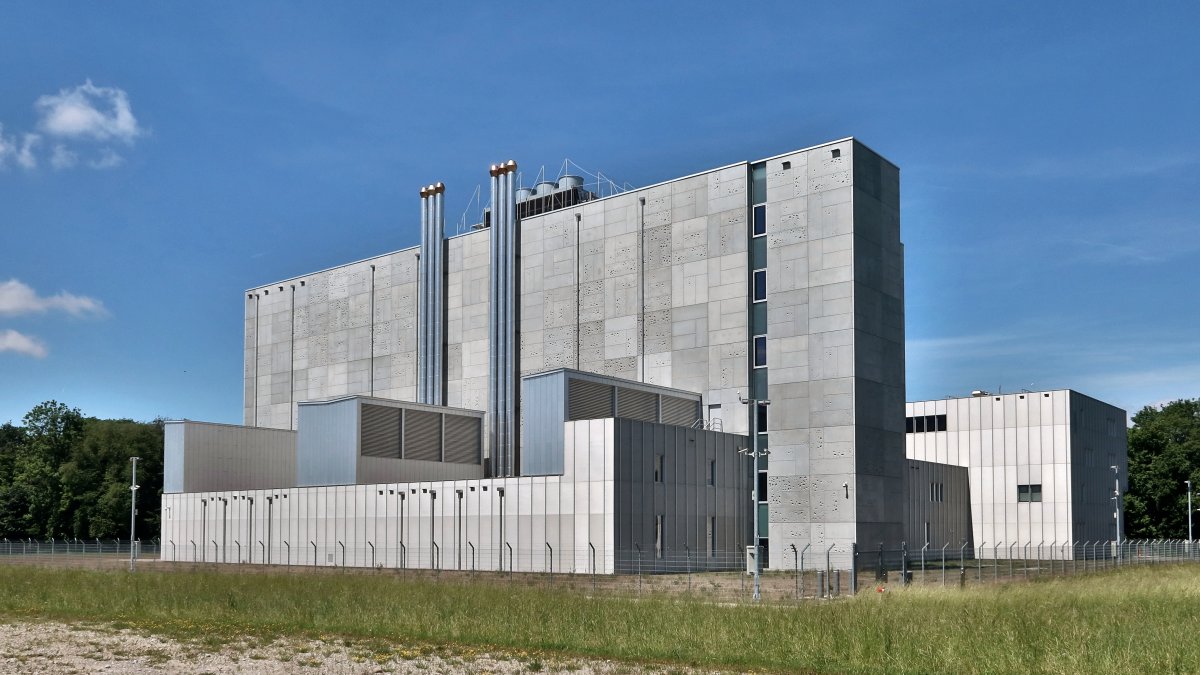
While voters across the United States approved restrictions on AI data centers in almost every jurisdiction that asked, one small town went the other way. In Harwood, North Dakota — a bedroom community of roughly 845 people outside Fargo — 325 of 430 ballots cast, about 76 percent, rejected "Measure 2," a proposed charter amendment that would have forced independent reviews and public hearings before large industrial projects could proceed, according to results reported by The Washington Post.
The measure was a direct response to Applied Digital's Polaris Forge 2 campus planned at the edge of town: a $3 billion, 1.8-million-square-foot facility — Chinese financial press reports put planned capacity at around 280 MW — that the town council approved in September 2025 over strong resident opposition. Local reporting has identified Oracle, the software giant, as the campus's tenant. North Dakota has also exempted the project's computers, cooling systems and servers from the state's 5 percent sales tax.
What flipped the town was arithmetic. Municipal officials estimate the data center will generate about $1.65 million in annual property tax revenue once completed — roughly six times Harwood's total property tax collection in 2024 — plus at least 200 full-time jobs. Applied Digital has donated to the local fire department and funded a park warming shelter. Mayor Blake Hankey argued the developer would simply build in the surrounding area if Harwood said no, taking the tax base with it, and council member Chris Higgins warned the measure could push the project out of town limits entirely. Longtime resident Mark Kirkbride said talks with the local electric utility eased his worries about power demand before he voted no.
Organizer Michael Swartz, who led the petition drive for the measure, told reporters the group was seeking public participation in project decisions rather than opposing data centers on principle. The project broke ground last fall and is scheduled to become fully operational in early 2027.
The contrast with the rest of the country is stark. According to a Ballotpedia analysis cited by CNBC, voters backed restrictions or rejected pro-development measures in 40 of 41 local ballot questions across 10 states this election cycle. Exit polling cited by The Washington Post found 76 percent of voters would oppose a new data center in their own community, and in Piqua, Ohio, voters not only banned large data centers but recalled the officials who backed one. The Post called Harwood the only town in America that said yes.
The lesson cuts both ways. Fiscal incentives, tax exemptions and visible community benefit-sharing can win a local vote even in a hostile national climate — but Harwood's result depended on a six-fold tax windfall in a town of 845, and it is not a template that scales to communities where the tax ratio is thinner or the project is larger. For data-center developers, the siting playbook now has to include long-term benefit-sharing as a core design input, not a press release.
Comments (0)
Log in to join the discussion
Log InNo comments yet