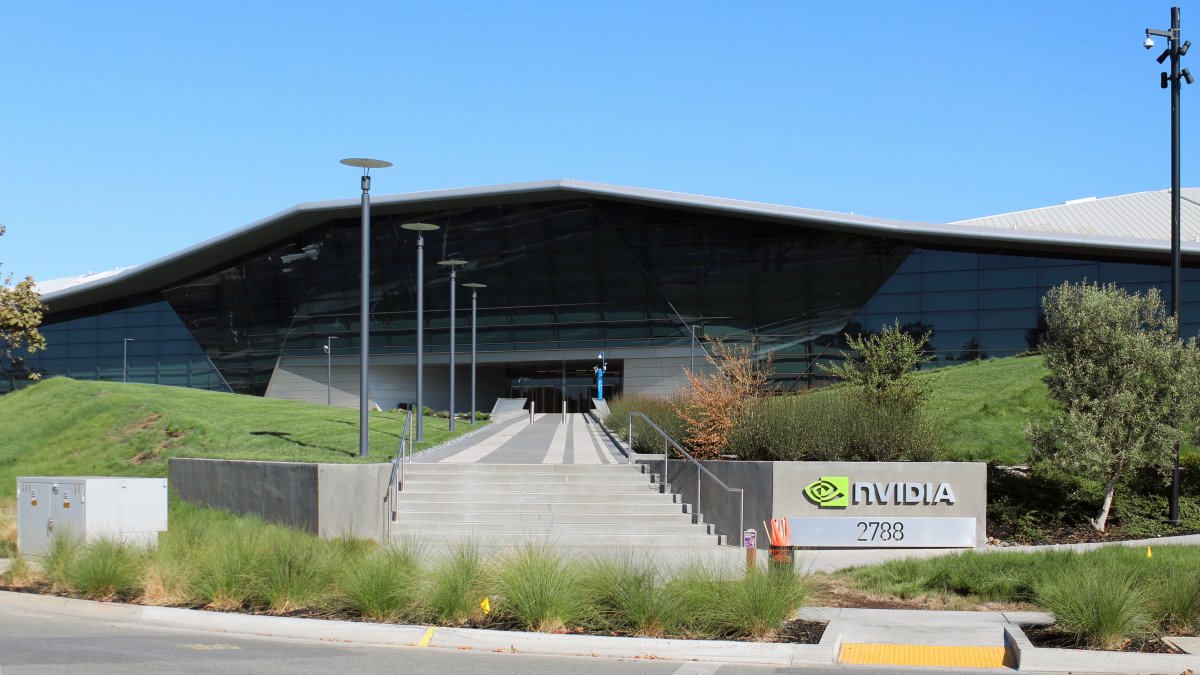
Nvidia is no longer just Meta's chip supplier — it is becoming one of its shareholders. In a statement reported by The Wall Street Journal, Nvidia said it will invest $3 billion in Meta's planned equity fundraise, and the two companies announced an expanded partnership around Meta's Muse AI assistant and its agent models.
The infrastructure commitment is specific. Meta intends to deploy more Nvidia hardware for next-generation AI agents, including the new Vera Rubin platform and Vera CPUs, along with Spectrum-X networking and BlueField-4 data processing units. The companies said the deepened collaboration reflects growing demand for "useful" AI agents, and that they are considering additional joint work in areas such as monitoring agent behavior — including Nvidia's OpenShell reference architecture for agent deployment and its Sentry monitoring tool.
The investment lands inside the largest capital raise in Meta's history. On Monday, Meta unveiled a plan to raise up to $95 billion across waves of stock offerings, starting with a $35 billion underwritten offering of $22.5 billion in Class A common stock and $12.5 billion of depositary shares representing mandatory convertible preferred stock, plus a planned $60 billion at-the-market program for 2027. By Tuesday the common stock tranche had been upsized to $25 billion, lifting the first wave to about $37.5 billion, priced at $625 per Class A share and $50 per depositary share. AMD and Broadcom have also expressed interest in buying up to $5 billion of Meta stock between them, according to CNBC.
The arithmetic is striking. At $625 a share, Nvidia's $3 billion buys roughly 4.8 million shares, about 12% of the common stock tranche. It also deepens what critics call circular financing: a vendor funding a customer who then spends the money on the vendor's own chips. In the market data cited by the Journal at the time of its report, Nvidia shares rose about 2.4% while Meta fell about 1.9% — investors rewarding the seller more than the buyer.
For Meta, external equity is a new financing tool for an old problem. The company expects 2026 capital expenditures of $135 billion to $145 billion, generated $97 billion of operating cash flow in the first three quarters of the year, and held about $82 billion in cash and securities at the end of September — yet its third-quarter free cash flow was negative after revenue rose 26% to $64.6 billion. Structuring later waves as non-voting Class C shares also protects Mark Zuckerberg's voting control while the checks clear.
The deal shows how the AI capex boom is increasingly financed: the supplier-customer-investor triangle. Nvidia has now committed capital to several of its largest customers, and every dollar of vendor equity reduces what a buyer must raise elsewhere — while tying the supplier's revenue ever more tightly to the customer's buildout. The markers to watch are whether AMD and Broadcom convert their stated interest into firm allocations, and whether the remaining waves of Meta's raise clear at $625 a share.
Comments (0)
Log in to join the discussion
Log InNo comments yet