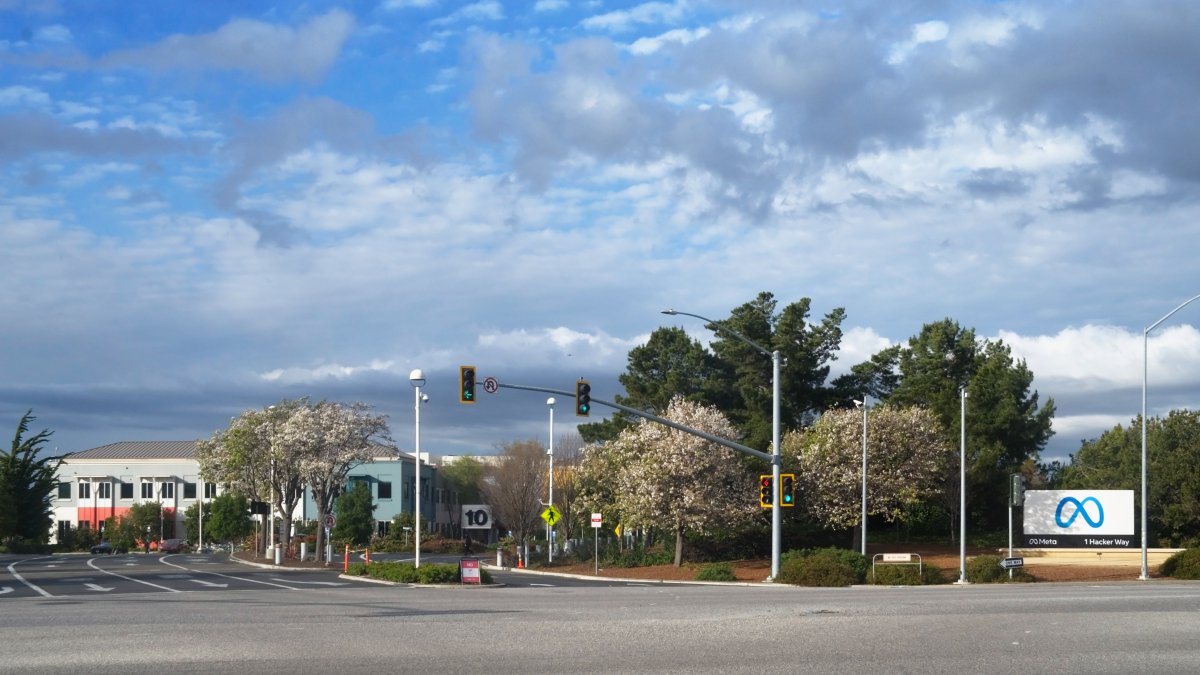
Meta has acquired Sundial, an AI data analytics startup co-founded by two former Meta executives, and will fold it into a newly created internal unit that builds analytics tooling and agents for the company itself. Axios reported the deal on Thursday and a Meta spokesperson confirmed it; Julie Zhuo, Sundial's chief executive, announced the sale in a post on X the same day.
Sundial's product is an agentic analyst: it cleans a company's data, builds a semantic layer on top of it, and then answers business questions in plain language inside tools such as Slack, rather than making teams wait on a centralized data department. The company had raised about 23 million dollars, including a 16 million dollar Series A in July 2025 led by DJ Patil of GPV, and its customer list included OpenAI, Character and Gamma.
Both founders are returning to Meta. Zhuo was vice president of product design at Facebook and wrote "The Making of a Manager"; Chandra Narayanan ran analytics at Instagram and later worked at Sequoia Capital. Zhuo said the company started nearly six years ago and was rebuilt to be AI-native, a pivot that put it in the path of the current wave of agent products.
The destination is a unit nicknamed DATA, for Data Analytics Tooling and Agents, which sits under Alex Schultz, whom Meta named its first chief data officer in July. Narayanan will lead the data analytics tooling and agents work; Zhuo and part of the team are joining as well. "AI has created effectively unlimited demand for insights, and we want to define the future of AI analytics," Schultz wrote in a LinkedIn post announcing the acquisition.
Neither the announcement nor the Axios report disclosed a price or a closing date, and the sums involved are small next to Meta's AI infrastructure spending, which is measured in tens of billions of dollars a year. That is the point: this looks less like a product acquisition than a team acquisition aimed at internal plumbing, the layer where an AI company's own experiment tracking, metric definitions and dashboards either work or quietly rot.
There is a competitive dimension too. Sundial counted OpenAI as a customer, and once the deal closes the product will stop serving external users altogether, which leaves those customers to migrate. Buying a vendor that other AI labs depend on, and then taking it off the market, is a familiar pattern in enterprise software; it is less common when the buyer and its rivals are all still building the category.
For Meta, the acquisition continues a run of organizational moves around AI data. Appointing a chief data officer was itself unusual for a company whose analytics had been spread across product groups, and the DATA unit gives that executive a mandate spanning descriptive analysis, experimentation, AI product quality and monitoring of AI systems.
The broader signal is that the unglamorous middle of the stack is being consolidated. Model capability gets the attention, but the questions that decide whether an AI product works inside a large company, such as whether two teams measure the same metric the same way, are answered by analytics infrastructure. Meta has decided to buy that capability rather than build it, and to point it inward first.
Comments (0)
Log in to join the discussion
Log InNo comments yet