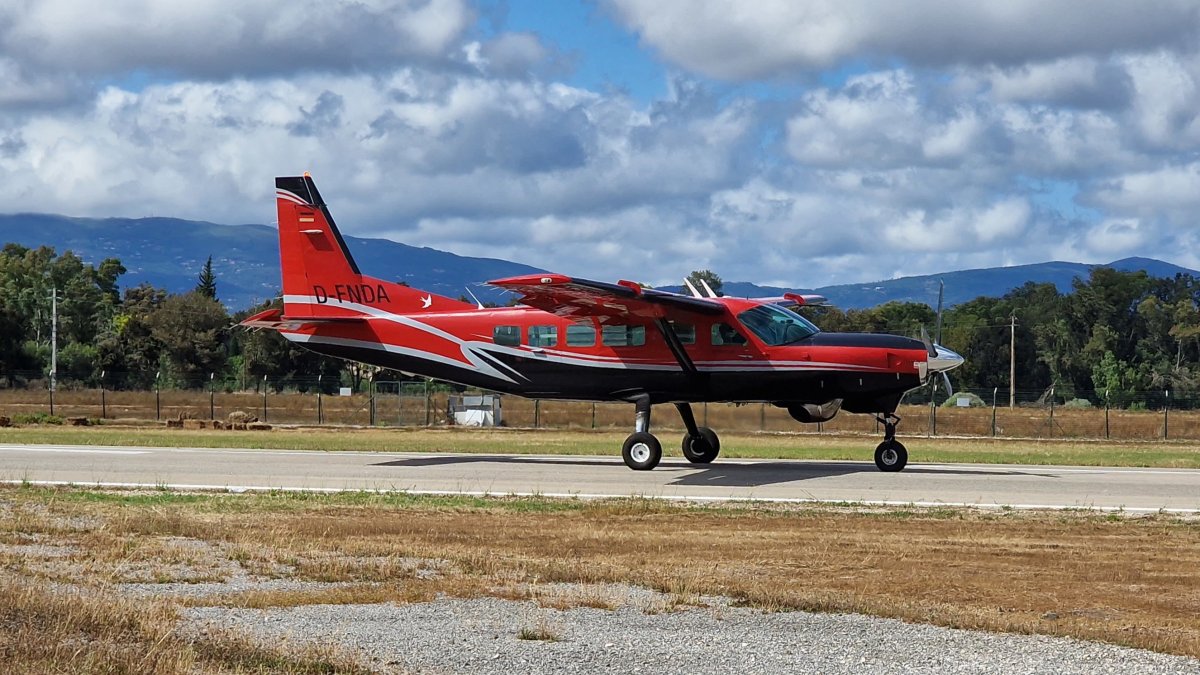
Reliable Robotics, a Mountain View startup that has spent nearly a decade building autonomy for existing aircraft rather than new ones, has raised 115 million dollars in an extension of its Series D round, lifting its valuation above 1 billion dollars. The extension consists of 90 million dollars in equity led by returning backer Nimble Partners and a 25 million dollar term loan from Silicon Valley Bank. The Series D now totals 275 million dollars, up from the 160 million dollars originally announced, and the company has raised 380 million dollars since founding.
The company was founded by Robert Rose, who directed flight software at SpaceX and previously worked at Tesla and Google, and CTO Juerg Frefel, who spent close to ten years as an engineer at SpaceX. Rose said the team continues to deliver evidence to the Federal Aviation Administration and moves closer to certification every day. New investors in the extension include Gideon Strategic Partners, RockCreek, Geek Ventures, Gold Hill Capital and Sparkwave Capital, alongside existing investor Island Green Partners.
Reliable's thesis differs sharply from the electric air-taxi cohort designing purpose-built vehicles. Its Reliable Autonomy System is a retrofit that installs on aircraft already in service, which the company argues requires no changes to the National Airspace System for commercial operations. The system and a companion radar are aimed at the leading causes of aviation accidents, including loss of control and controlled flight into terrain.
The company is pursuing FAA certification on four fronts. The first, continuous autopilot engagement, handles engine startup, taxiing, takeoff and landing while a pilot remains aboard and interacts through a touchscreen; Rose expects approval in 18 to 24 months. The second track moves the pilot out of the cockpit to a ground-control station, which Rose puts at least three years away. A solid-state collision-avoidance radar the company built in house after legacy suppliers declined the project is expected to be certified by the end of 2027, and the fourth track would make Reliable Airlines, a cargo operator in Albuquerque flying six Cessna Caravans six days a week, the first airline certified to use the technology.
The radar story is telling about the company's constraints. Conventional collision-avoidance systems rely on moving antennas; Reliable's solid-state design has none, scans farther and at higher resolution, costs less and is easier to maintain, according to Rose. It also works on the ground to detect aircraft or infrastructure in the taxi path. Rose noted that interest from operators has grown given recent collisions in commercial aviation.
Nimble Partners founder John Burbank framed the bet as infrastructure rather than a vehicle play, saying the opportunity is much bigger than building one plane because the system is designed for any airframe. He compared the path to automotive autonomy, where the first approved system defines the route for the whole industry.
The funding round is a reminder that aviation autonomy is a regulatory marathon before it is a technology race. Certification timelines stretching from 18 months to more than three years mean revenue depends first on cargo operations like Reliable's own, where the economics justify early deployment. The capital gives the company a longer runway to clear the FAA gate that every competitor in the sector must eventually pass.
Comments (0)
Log in to join the discussion
Log InNo comments yet