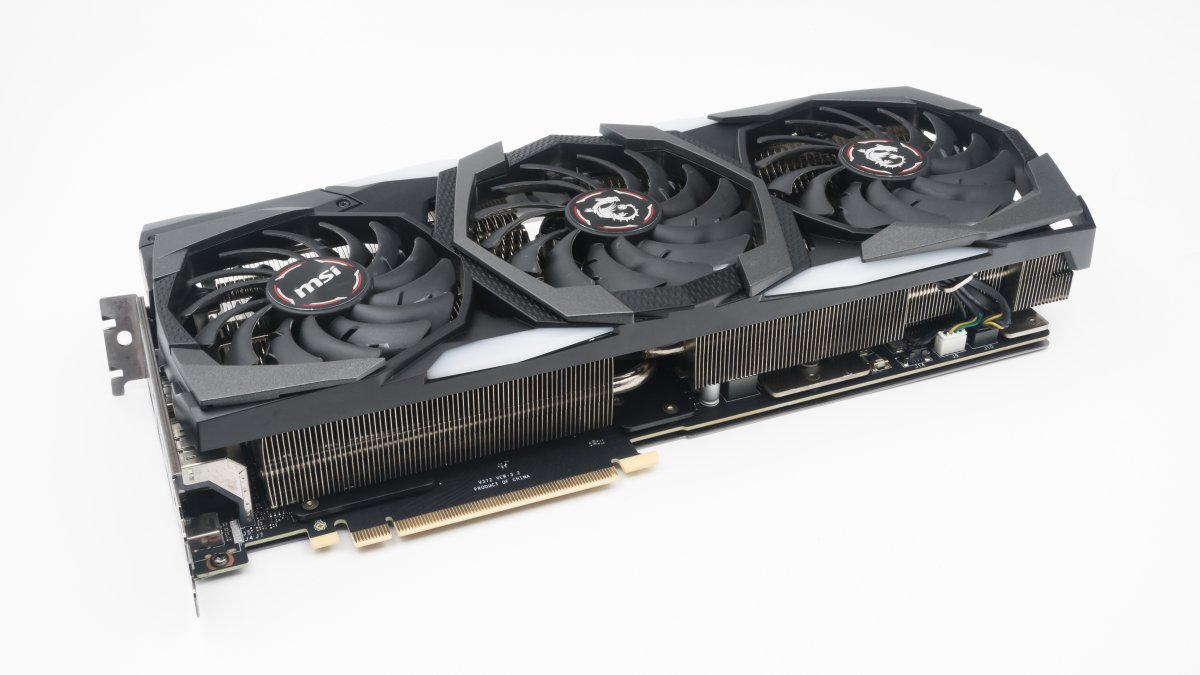
CoreWeave is going back to the debt market, and this time it is using the same trick that got it investment-grade pricing while the company itself remains junk-rated. According to Bloomberg, the AI cloud provider is preparing an investment-grade loan of at least $4 billion, led by Morgan Stanley and Mitsubishi UFJ Financial Group. The financing would be syndicated to investors in phases and could reach the market as soon as next week, though the plans are not finalized and could change.
The pricing is the story. On its Q3 earnings call, the company's chief financial officer gave an initial discussion range of 7 to 7.5 percent — roughly half the yield investors currently demand for CoreWeave's existing high-yield bonds. The gap exists because the new loan is structured like the $8.5 billion deal CoreWeave completed in March: a project company borrows, and the collateral is Nvidia GPU servers plus the long-term compute contracts behind them. The March deal carried a floating tranche at SOFR plus 225 basis points and a fixed tranche near 5.9 percent, secured by Meta's contract, and won an A3 project-level rating from Moody's with maturity out to 2032.
That two-price structure became unavoidable in October, when CoreWeave's unsecured bonds sold off hard, yields pushed above 15 percent, and credit default swaps touched distressed levels as investors questioned whether AI infrastructure debt can ever pay for itself. Chief executive Michael Intrator was blunt on the call: "At current yields, we will not fund the business through the unsecured debt market — and we do not need to." The new deal is a direct test of whether the segregated-asset structure keeps clearing at high-grade prices even while the company's own credit stays speculative.
The market backdrop has improved sharply since October. CoreWeave reported Q3 revenue of $3.66 billion, up 168 percent year over year, with a backlog of $132.5 billion, and raised its full-year revenue guidance to $13.0-13.3 billion. Intrator said remaining 2027 capacity is about 10 times oversubscribed. The stock jumped more than 24 percent on Wednesday before giving back part of the gain after hours as turmoil at Nvidia — the supplier whose chips sit in CoreWeave's collateral pool — spilled across the sector.
Analysts remain split on what the structure actually proves. Some describe the ratings outcome as a structure upgrade rather than a credit upgrade: agencies are scoring the isolated assets and contracted cash flows, not CoreWeave's balance sheet. That is precisely why the same company can borrow at 7 percent inside a securitization while its unsecured paper trades near distressed levels. Chip-backed debt across the AI sector is heading toward the trillion-dollar scale, and CoreWeave is the most closely watched laboratory for whether that market deepens or cracks.
For the broader AI buildout, the loan matters more than its size. If investors absorb another multi-billion tranche of GPU-backed debt at investment-grade spreads, other compute providers — and the hyperscalers leaning on them — get a template for financing capacity without diluting equity or stressing corporate credit. If the syndication stalls, the market will have drawn a line on how much AI infrastructure risk it will hold. The deal is expected to be marketed within days.
Comments (0)
Log in to join the discussion
Log InNo comments yet