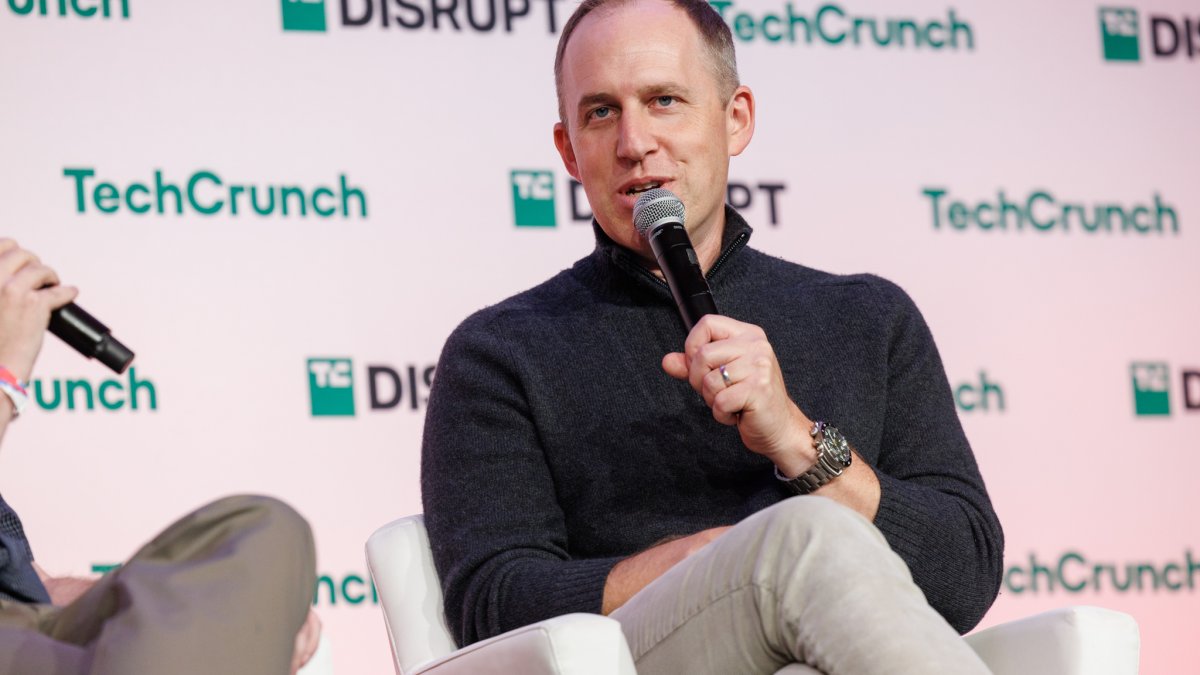
A group spanning social media, payments, retail and enterprise software wants to write the rules of agent commerce before the chaos sets in. On Tuesday, Meta and Sierra — the agent company co-founded by Bret Taylor — announced the Personal Agent Protocol, a proposed open standard for how consumers' AI agents discover, authenticate with and transact against businesses. Founding partners include Genesys, Instinct, Rocket, Shopify, Stripe and Walmart, and Sierra says any company will be able to implement it.
The core design splits authority in two. Customers decide what their personal agent may access — read-only or write permissions, granted through OAuth, the same standard that powers third-party app sign-ins. Businesses, meanwhile, define what agents are allowed to do and which connection routes they support. A guest session could answer questions about product availability or returns, while account-specific tasks require the customer to sign in or use credentials already configured with the agent.
Three connection routes are proposed: the agent navigates the business's regular website; it connects through APIs built on standards like MCP and OpenAPI; or it works through the company's own business agent, for example when handling a warranty claim. Sessions are designed to persist across channels — a question asked as a guest and an order change made after authentication would remain part of one continuous visit rather than disconnected interactions.
Sierra's pitch is speed and legibility. Today's agents load pages, click through forms and fall back to support calls; a direct, standardized connection could complete tasks securely in seconds. That performance claim is the developers' proposed benefit, not a measured result — the announcement includes no benchmarks. The real near-term deliverable is a v0.1 specification, design workshops and a reference implementation, all planned for later in October.
Taylor told CNBC the standard aims to give businesses visibility into what agents are doing on customers' behalf and help them distinguish legitimate personal agents from unauthorized bots — an increasingly urgent distinction as agent traffic hits real commerce systems. Notably, OpenAI and Anthropic are not currently participating, though Taylor said he expects them to join; neither company has committed.
The announcement lands amid fast-moving momentum in agent commerce: Shopify opened checkout to AI agents last month, Instinct raised $1 billion at a $10 billion valuation, and Meta's own Muse assistant has topped app store charts. What's missing is shared plumbing — every agent-business pairing today is a bespoke integration. If the v0.1 spec ships on schedule this month, the protocol will be an early test of whether the industry can agree on infrastructure before fragmentation hardens.
Comments (0)
Log in to join the discussion
Log InNo comments yet