Mitsui Fudosan, Japan's largest developer, plans to build the country's first commercial data center inside a disused underground tunnel, according to a report by Nikkei Asia. The site is the Suma Belt Conveyor Tunnel in Kobe, and the project is a direct answer to two problems at once: scarce land and power in Japan's metro areas, and rising local opposition to surface data centers.
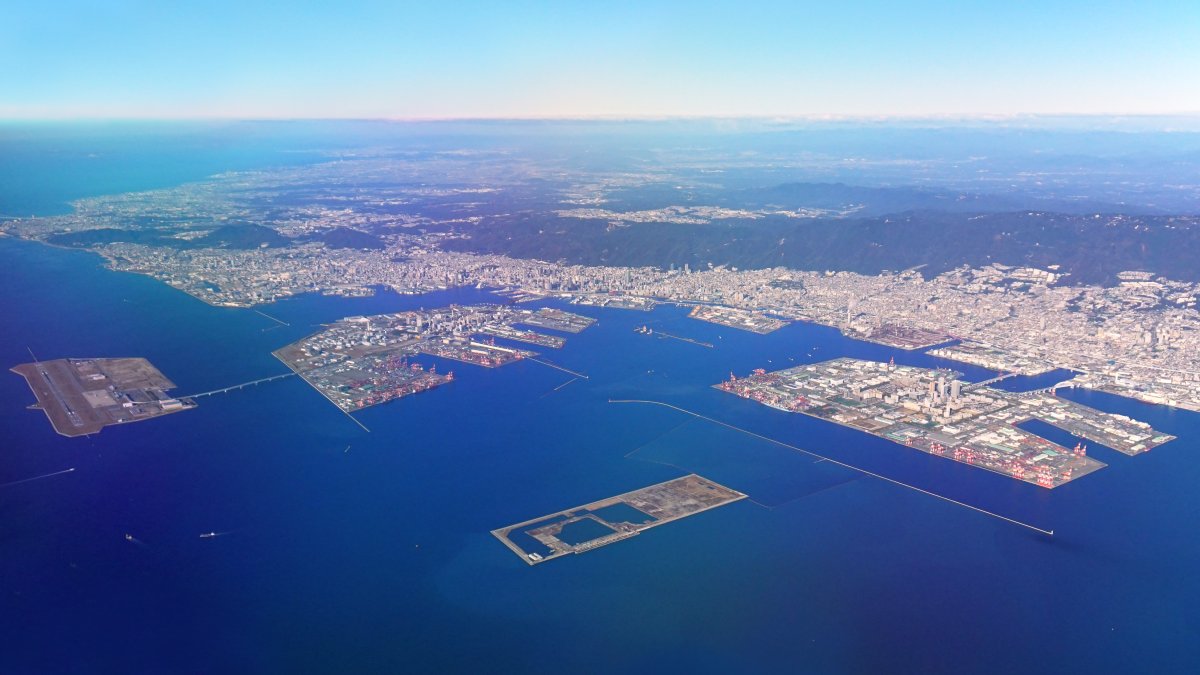
The tunnel has an unusual history. It operated from 1964 to 2005 as a belt conveyor route for moving soil during land reclamation - including the artificial island that is now home to Kobe Airport. Mitsui Fudosan will lease roughly 3 kilometers of the tunnel's 14.5-kilometer length from the city of Kobe, with a project area of about 17,000 square meters.
The developer is working with Kumagai Gumi, the general contractor that originally built the tunnel, and Getworks, a Tokyo-based data center operator. Under tender terms Kobe's city government published in July, the monthly rent starts at a minimum of 600,000 yen, roughly $3,800, with lease periods of 10 to 20 years.
The plan calls for more than 10 containers loaded with servers to be installed more than 40 meters underground, with the site able to receive up to 20 MW of power. Mitsui Fudosan is positioning the facility for companies and research institutions that need generative-AI compute and secure storage for confidential data, with operations targeted to begin by the end of 2027. The company is also considering adopting NTT Group's IOWN high-speed optical network technology for connectivity.
The underground pitch rests on three advantages. Sitting tens of meters below ground, the facility is inherently more resilient to the earthquakes and typhoons that frequently hit Japan, and harder to disrupt physically. The tunnel holds a steady 15 to 20 degrees Celsius year-round, cutting the energy needed for server cooling - supplemented by a system that reuses groundwater. And because the structure already exists, land acquisition and construction costs are expected to come in below those of a comparable surface facility.
The project fits a wider pattern. Operators in the United States and Europe have been converting former military facilities and other underground sites into data centers, and Japan's data center demand is climbing as generative AI adoption spreads. For Mitsui Fudosan, it also marks a strategic shift: at a July briefing the company said it would extend beyond logistics into R&D facilities and data centers, recasting itself as an industrial developer.
The caveat is the same one that shapes every data center project in Japan: 20 MW of power has to come from somewhere, and securing grid capacity - not land - is likely to be the project's real bottleneck. If it works, though, Kobe's retired soil-conveyor tunnel becomes a template for how densely built countries find room for AI compute: not by paving new ground, but by moving beneath it.
Comments (0)
Log in to join the discussion
Log InNo comments yet