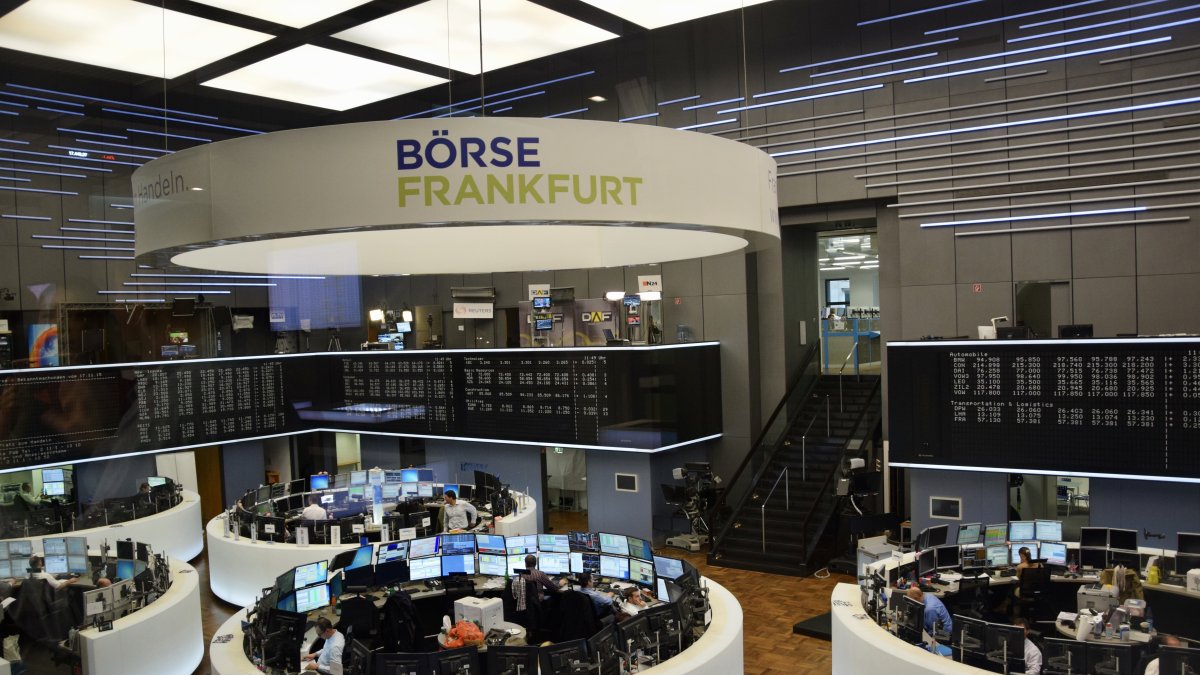
The race that used to be measured in nanoseconds is now measured in megawatts. Bloomberg reported over the weekend that high-frequency trading firms — the same companies that once optimized every microsecond between their servers and an exchange — are investing in AI and chip startups, buying into neoclouds, and building their own data centers to gain an edge in the AI era.
The numbers on the table are no longer rounding errors. XTX Markets, the London-based market maker, built a data center in Kajaani, Finland, for 1 billion euros — about $1.1 billion — that is set to come online by the end of the year, with a second facility next door due in 2027. The firm has become one of the more aggressive AI adopters in quantitative finance, training its own models for pricing and execution.
Jane Street, the New York trading giant, operates a Texas data center housing more than 4,000 Nvidia GPUs across 56 server racks, and is in discussions about a second. Hudson River Trading, meanwhile, runs its AI workloads out of Lefdal Mine Data Centers in western Norway — a facility carved into a former olivine mine. Iain Dunning, head of AI at Hudson River, told Bloomberg the firm needed one or two sites a decade ago and now uses multiple facilities.
The aggregate shift is easier to feel than to audit. One executive at a major firm estimated that market makers now spend 10 to 20 times more on computing power than they did before ChatGPT launched in November 2022. That is not a procurement increase; it is a change in what a trading firm physically is — a hedge fund attached to a mid-sized data center operation.
The logic is straightforward. AI has moved from a research project to the core of trading strategies, and both training and inference reward firms that own their compute. Dedicated facilities cut latency, fix costs, and reduce dependence on cloud providers and neoclouds whose pricing and availability have become less predictable as hyperscalers soak up capacity.
Bloomberg frames the buildout as a big and potentially risky bet, and the timing is not accidental. Doubts about data center economics and next-generation chip manufacturing are accumulating, and several AI-related IPOs have stumbled this month. The debt market has turned distinctly cold on pure AI-infra credit stories — Elon Musk said over the weekend that lenders now demand revenue independent of AI data centers before extending credit, and predicted consolidation among the 200-plus neoclouds. Trading firms are largely insulated from that specific squeeze: their data centers are funded by trading profits, not by structured debt secured on GPU resale value.
The implication for the broader market is that GPU demand has another leg, and it does not show up in hyperscaler capex guidance. Trading firms are buying chips the way airlines buy fuel — as a direct input to revenue — which makes their demand less cyclical and less publicity-driven. It also means the competitive frontier in quantitative finance is quietly migrating from algorithm talent to power procurement, cooling engineering, and data center siting. The firms that treated compute as a commodity are now discovering it is a moat.
Comments (0)
Log in to join the discussion
Log InNo comments yet