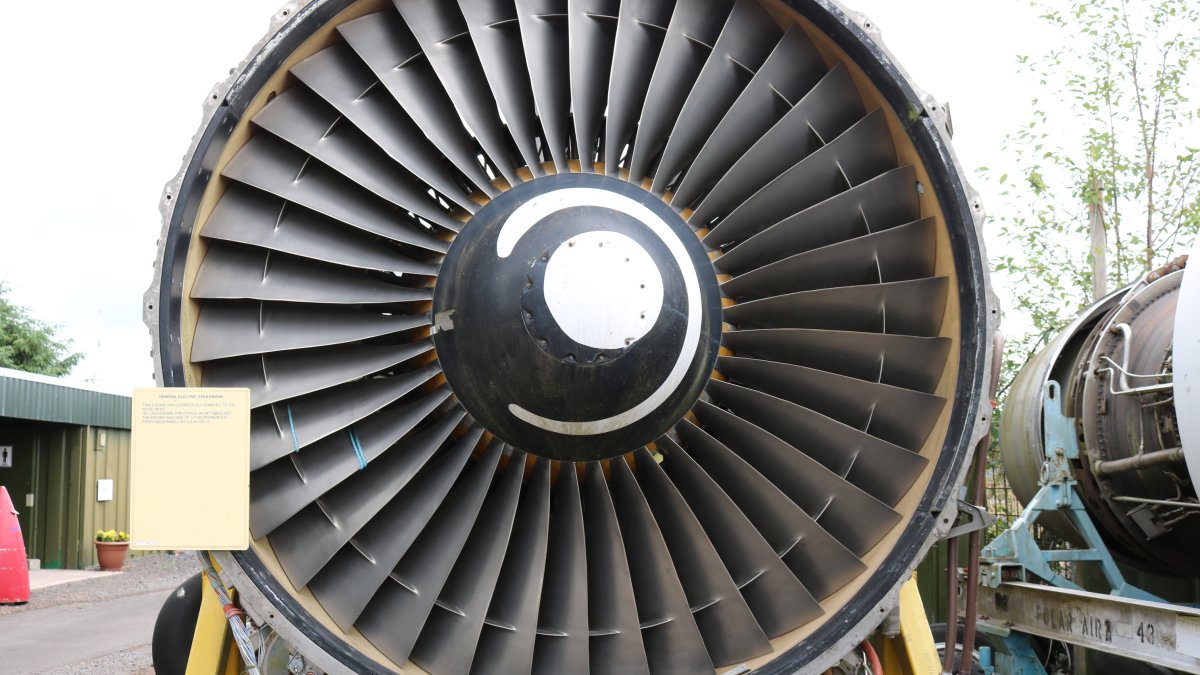
xAI has installed eight refurbished jet-engine generators at its site in Southaven, Mississippi, to supply additional electricity to the Colossus 2 computing complex across the state line in Memphis, TechRadar reports. The units, converted by Missouri-based ProEnergy from retired General Electric aircraft engines, can each produce up to 50 megawatts at peak — enough for roughly 15,000 homes apiece, and about 400 megawatts combined if all eight run at maximum output, a figure that represents capacity rather than verified sustained generation.
The math that makes second-hand aircraft turbines attractive is timing, not efficiency. The International Energy Agency estimates that connecting a 100-megawatt facility to the grid in Northern Virginia takes about seven years, and an executive at Mitsubishi Power has warned that equipment shortages could leave much new generation capacity unavailable until 2031. "It's all about getting power as fast as possible... they can have a data center running in 24 months," said Audun Martinsen, an analyst at Rystad Energy. Converted engines are less efficient than purpose-built gas turbines and need more units for the same output, but they exist today.
xAI is not alone in the workaround. OpenAI used gas turbines at its first Stargate facility in Abilene, Texas, in 2025, and developer Crusoe ordered 13 ProEnergy generators last April. The pressure behind these purchases is structural: a US projection released in July 2026 put data-center electricity consumption at 20 percent of the national total by 2035 — a forecast revised 83 percent upward from just seven months earlier. Elon Musk said in August that xAI intends to expand its compute capacity sevenfold by the end of 2027, which makes every month of grid-queue delay expensive.
The environmental bill is coming due in Mississippi. The state's permits for the eight turbines reportedly allow volatile organic compound limits about 25 percent higher than standard, and the Southern Environmental Law Center has challenged the approval, arguing that xAI has not adequately addressed pollutants including formaldehyde and questioning the projected emissions calculations. The group previously sued xAI over generators it says ran without required permits near more than 100,000 residents — a separate legal track from the NAACP's federal clean-air suit over the Memphis site. A hearing on the appeal against the permanent permit granted in March is scheduled for November 9.
According to local reports, xAI's plan is to make the borrowed turbines temporary: the company has said it will remove 69 existing temporary mobile turbines by July 2027 and replace them with a 1.2-gigawatt permanent plant built from 41 purpose-designed gas turbines. Whether the transition actually happens on that schedule is the open question — the same grid constraints that forced the turbines in the first place apply to building the permanent plant, and the permit challenge could reorder the timeline.
The broader lesson is that AI's power problem is now being solved asset by asset, in used-aircraft-market fashion. When a 24-month generator install beats a seven-year grid connection, every operator with a deadline does the same arithmetic — and the emissions, permits and community impacts get managed after the fact rather than before. Mississippi's hearing on November 9 will show whether regulators are willing to keep up with that pace.
Comments (0)
Log in to join the discussion
Log InNo comments yet