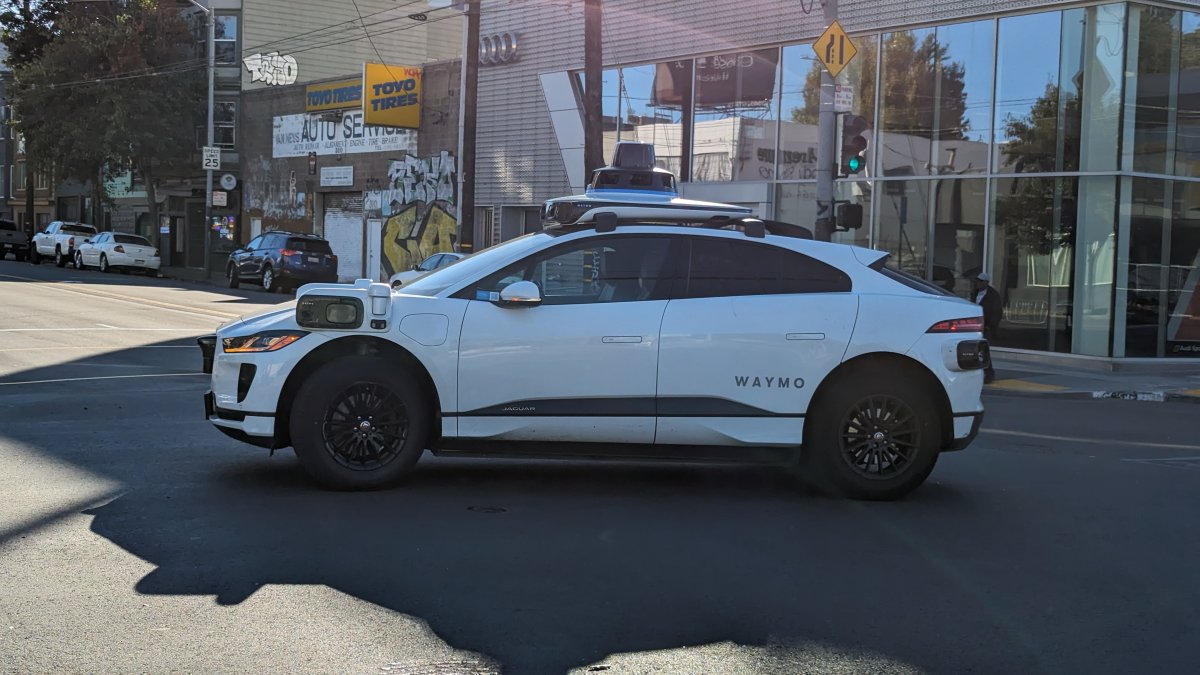
Waymo will stop relying on Uber as the only way to hail its robotaxis in Austin and Atlanta. Co-CEO Tekedra Mawakana said the Alphabet-owned operator plans to launch its own rider application in both cities in January 2028, ending the exclusive arrangement that currently makes Uber the sole booking channel for Waymo rides there.
The reason, according to Mawakana, is reliability. In the two cities, riders could select an autonomous vehicle inside the Uber app, but a match was only possible when a Waymo happened to be nearby — there was no guarantee the ride would arrive. Customers, she said, want one consistent platform and a dependable way to get a car.
The timing lands on a notable day for Uber, which reported third-quarter results the same morning. Uber said revenue grew 10 percent year over year to $14.8 billion, gross bookings rose 20 percent to $59.8 billion, and trips reached 4 billion, up 16 percent. Autonomy is central to that story: the company said it expects roughly 700 fully driverless vehicles on its platform by year-end and more than 2,000 in 2027.
For Uber, Waymo has been both a marquee partner and a template. The company has positioned itself as the demand aggregator for autonomous fleets — the place where riders already are. But operators with their own apps keep the customer relationship, the ride data and the long-term upside, which is precisely what a fleet operator of Waymo's scale eventually wants back.
Waymo has been scaling aggressively enough to justify the move. Earlier company plans called for roughly 8,000 robotaxis by the new year and 20,000 by the end of 2027, and the company raised $16 billion in February followed by a $5 billion debt facility in October. A fleet that size needs its own front door.
The exclusivity era of robotaxi distribution is ending, and Austin and Atlanta will be the test case. From January 2028, riders in both cities will be able to choose between two apps for the same cars — and the competition between platform and operator will show whether autonomous fleets are better served by aggregators or by owning the rider relationship outright.
Comments (0)
Log in to join the discussion
Log InNo comments yet